


Uncovering the Most Disruptive and Influential Data Broker Market Trends Today

The data broker industry, long a bastion of established practices, is currently being rocked by a series of transformative and disruptive Data Broker Market Trends. The most significant and far-reaching trend is the global wave of data privacy legislation and the corresponding consumer backlash against invasive tracking. Regulations like the EU's General Data Protection Regulation (GDPR) and the California Consumer Privacy Act (CCPA/CPRA) have fundamentally altered the rules of the game. These laws grant consumers new rights, including the right to know what data is being collected about them, the right to demand its deletion, and the right to opt-out of its sale. This has placed immense compliance burdens on data brokers and is forcing a tectonic shift away from the old model of surreptitiously collecting and selling data without clear consent. This trend is compelling the industry to move towards more transparent data sourcing and to develop new products and services centered around compliance and consent management, marking the end of the "wild west" era of data brokerage.
A second major trend, directly related to the first, is the "death of the third-party cookie." For decades, the third-party cookie was the workhorse of online tracking, enabling data brokers and ad-tech companies to follow users across the web and build detailed behavioral profiles. With major web browsers like Safari, Firefox, and soon Google Chrome phasing out support for these cookies due to privacy concerns, a primary data collection mechanism for many brokers is disappearing. This is forcing a massive industry-wide scramble to find alternative methods for identity resolution and ad targeting. This trend is accelerating the adoption of several new technologies and strategies. These include a greater reliance on first-party data (data collected directly by a brand from its own customers), the use of persistent identifiers based on hashed email addresses or phone numbers (e.g., The Trade Desk's Unified ID 2.0), and the rise of "contextual targeting," which serves ads based on the content of a webpage rather than the user's personal profile. This technological pivot is one of the most significant challenges and opportunities the industry has ever faced.
A third, powerful trend is the increasing sophistication of data analysis through the application of Artificial Intelligence (AI) and Machine Learning (ML). While data brokers have always been in the business of analysis, AI is taking their capabilities to a new level. Machine learning algorithms are being used to process unstructured data (like text from social media posts), to find subtle patterns and correlations in massive datasets, and to create highly predictive models of consumer behavior. This allows brokers to move beyond simply providing raw data and to offer more valuable "insights-as-a-service." They can now sell predictive scores, such as a "churn risk score" for telecom customers or a "propensity to buy" score for a specific product. This trend is transforming data brokers from mere data vendors into sophisticated analytics and intelligence partners. It is also raising new ethical questions about the potential for algorithmic bias and discrimination, as these AI-driven predictions can have a significant impact on the opportunities and offers people receive.
Finally, a crucial emerging trend is the rise of "data clean rooms" and other privacy-enhancing technologies. A data clean room is a secure, neutral environment where two or more parties can bring their data together for joint analysis without either party having to reveal its raw, user-level data to the other. For example, a consumer brand could bring its first-party customer data, and a media platform like Meta could bring its ad exposure data. In the clean room, they can analyze how many of the brand's customers saw a specific ad campaign, without the brand ever seeing Meta's user data or Meta seeing the brand's customer list. Data brokers are increasingly playing a role in this new ecosystem, either by providing anonymized or aggregated third-party data to enrich the analysis within the clean room or by providing the clean room technology itself. This trend represents a significant evolution in the industry's business model, moving away from the direct sale of personal data and towards facilitating secure, privacy-compliant data collaboration.
Top Trending Reports:
Coworking Space Management Software Market
Online Brand Protection Software Market
Catalog Management System Market
Underground Hydrogen Storage Market
Auto Collision Estimating Software Market
Категории
Больше
Pourquoi Le Meilleur Casino En Ligne France Attire Les Joueurs Le meilleur casino en ligne France séduit les joueurs grâce à sa sécurité, ses nombreux jeux et ses bonus nouveau casino en ligne exclusifs. Les plateformes reconnues offrent une expérience fluide, des paiements fiables et un environnement protégé. Choisir un casino...

Introduction A thoughtfully designed flower bed offers beauty from early spring until the first frost. The best flower bed ideas focus on healthy soil, diverse plant selections, and smart layouts that showcase flowers throughout the seasons. Whether you're starting from scratch or refreshing an existing garden, a few simple techniques can produce impressive results. Flower Bed Ideas That Keep...

The popularity of cricket betting in India has gone off the scale, and the betting town versions such as Dafabet India are in the middle of this transition. Whether it is IPL, international matches, or T20 leagues, users are always seeking platforms under which they can easily place their bets. It is at this point that Dafa247official comes in to provide clear and practical advice rather than...

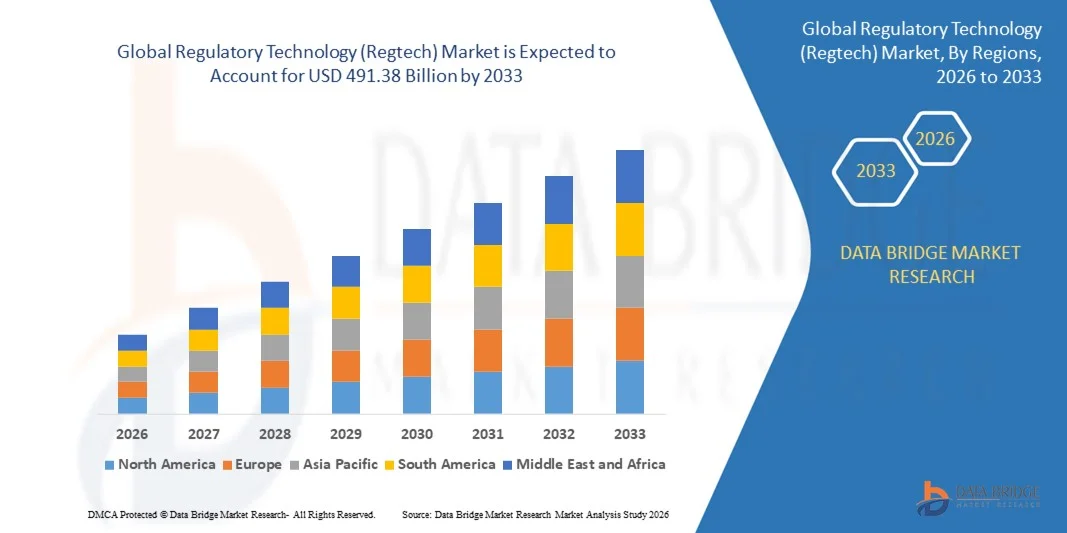
According to the latest report published by Data Bridge Market Research, the Regulatory Technology (Regtech) Market The global regulatory technology (Regtech) market size was valued at USD 16.57 billion in 2025 and is expected to reach USD 491.38 billion by 2033, at a CAGR of 52.75% during the forecast period An all inclusive Regulatory Technology...
The 110V Extension Lead 14m 2.5mm is built for heavy-duty performance, offering a thicker 2.5mm conductor that safely handles higher loads without overheating. This makes it perfect for demanding tools and machinery used in construction, industrial work, and professional trade environments. Why 14 Meters Offers the Perfect ReachA 14-meter length provides ample flexibility to move around large...