


Diving Deep into the Swimming Pool Equipment Market: Trends Driving Residential and Commercial Growth
The global leisure and wellness industry has witnessed a remarkable transformation over the past decade, with private and public swimming pools becoming central to residential and commercial real estate development. At the heart of this transformation lies the Swimming Pool Equipment Market , which encompasses a vast array of products including pumps, filters, heaters, lighting systems, automation controls, cleaners, and sanitization equipment. As homeowners increasingly view pools as extensions of their living spaces and hotels invest in premium aquatic amenities, the market has evolved from basic water circulation to sophisticated, energy-smart ecosystems. This article dives into the dynamics shaping this multi-billion dollar industry, from the post-pandemic staycation boom to the rise of connected pool management.
Key Growth Drivers
Several powerful forces are propelling the Swimming Pool Equipment Market forward. First, the enduring popularity of staycations and home improvement has led to a surge in residential pool construction, particularly in North America, Europe, and Australia. Second, the commercial sector—hotels, resorts, water parks, and fitness centers—is expanding rapidly in emerging economies, driving demand for high-capacity filtration and heating systems. Third, climate change has paradoxically boosted demand; warmer summers in temperate regions encourage pool installations, while drought-prone areas require advanced water recycling equipment. Fourth, government regulations mandating energy efficiency (e.g., DOE pump efficiency standards in the US) are forcing equipment upgrades, creating a robust replacement market. Finally, the aging installed base of pools built in the 1980s and 1990s is reaching end-of-life, necessitating complete retrofits.
Consumer Behavior and E-commerce Influence
Consumer purchasing patterns have shifted dramatically, impacting the Swimming Pool Equipment Market. The rise of e-commerce platforms has empowered pool owners to research, compare, and buy equipment directly online, bypassing traditional pool supply stores. Amazon, specialized pool e-tailers, and direct-to-consumer brands now account for a growing share of aftermarket sales. This has increased price transparency and forced brick-and-mortar retailers to offer value-added services like installation and warranty support. Furthermore, the DIY trend has exploded; homeowners are increasingly comfortable installing variable-speed pumps or robotic cleaners using online video tutorials. This behavior favors user-friendly, plug-and-play equipment over complex, professional-only systems. Social media also plays a role, with Instagram and Pinterest inspiring pool makeovers that drive demand for aesthetic upgrades like LED lighting and glass tile filters.
Regional Insights and Preferences
The Swimming Pool Equipment Market exhibits distinct regional characteristics. North America (particularly the US) remains the largest market, driven by high residential pool density in states like Florida, California, and Texas, where energy-efficient and salt-chlorination systems are preferred. Europe shows strong demand for eco-friendly and compact equipment, with Germany and France leading in heat pump adoption for extending swim seasons. Asia-Pacific is the fastest-growing region, fueled by rising disposable incomes in China, India, and Southeast Asia, where luxury condominiums and resort developers install commercial-grade filtration. The Middle East and Australia prioritize heavy-duty, corrosion-resistant equipment capable of withstanding extreme heat and high salinity. Latin America, led by Brazil, shows growth in public pool infrastructure for social housing projects.
Technological Innovations and Emerging Trends
Innovation is reshaping the Swimming Pool Equipment Market at an unprecedented pace. The most significant trend is the Internet of Things (IoT) integration, allowing pool owners to monitor and control pumps, heaters, and chemical levels via smartphone apps. Variable-speed pumps, which can reduce energy consumption by up to 80%, are rapidly replacing single-speed models. Robotic pool cleaners with AI navigation and mapping capabilities now clean walls, floors, and waterlines autonomously. UV and ozone sanitization systems are gaining traction as chemical-free alternatives to chlorine, appealing to health-conscious consumers. Additionally, heat pump technology has advanced with inverter compressors that maintain precise water temperatures quietly and efficiently. Smart water sensors that test pH and chlorine levels in real-time and automatically dispense chemicals are becoming standard in premium installations.
Sustainability and Eco-friendly Practices
Sustainability has moved from a niche concern to a core market driver. The Swimming Pool Equipment Market is witnessing a green revolution, with manufacturers prioritizing energy efficiency, water conservation, and reduced chemical use. Solar pool heaters and covers significantly lower carbon footprints and operating costs. Salt chlorination systems, while not chemical-free, reduce the need for stored and transported chlorine. Cartridge filters, reusable and washable, are displacing single-use diatomaceous earth (DE) filters. Moreover, new pool designs incorporate rainwater harvesting and greywater recycling. Eco-labels such as Energy Star (for pumps) and the EU Ecodesign directive guide consumer choices. Even pool covers have evolved; automatic safety covers now double as solar absorbers and evaporation barriers, saving thousands of gallons annually.
Challenges, Competition, and Risks
Despite its growth, the Swimming Pool Equipment Market faces notable challenges. Supply chain disruptions, particularly for semiconductors used in smart controllers and variable-speed drives, have caused intermittent shortages. Rising raw material costs (copper for motors, plastics for filters) squeeze profit margins. The market is highly competitive, with established giants like Pentair, Hayward, and Fluidra facing pressure from low-cost Asian manufacturers. Another risk is the seasonal nature of the business; companies in temperate zones experience significant revenue fluctuations. Installation complexity remains a barrier; poor DIY installation can void warranties and damage equipment. Furthermore, regulatory changes—such as the US Department of Energy’s evolving pump efficiency standards—require continuous R&D investment, disadvantaging smaller players. Finally, cybersecurity risks in connected pools (smart devices vulnerable to hacking) are emerging as a concern.
Future Outlook and Investment Opportunities
The future of the Swimming Pool Equipment Market is bright, driven by smart automation and green technologies. Investment opportunities abound in integrated pool management platforms that unify pumps, heaters, lighting, and chemical dosing under a single AI-driven interface. Another growth area is retrofitting existing pools with energy-efficient equipment, as millions of older pools remain inefficient. Solar-powered floating skimmers and wireless robotic cleaners represent low-cost, high-volume segments. For commercial investors, modular pool equipment for temporary or pop-up pools (floating gyms, event pools) is an emerging niche. Geographic expansion into less-saturated markets like Eastern Europe and South Africa offers untapped potential. As climate resilience becomes a priority, equipment enabling pools to function as emergency water storage or firefighting reservoirs could gain government backing. Investors should watch for consolidation among regional distributors and startups offering predictive maintenance analytics.
Conclusion
The Swimming Pool Equipment Market is evolving from a commodity industry to a technology-driven, sustainability-focused sector. Driven by residential staycation trends, commercial hospitality growth, and stringent energy regulations, the market offers robust opportunities. E-commerce has democratized access, while regional preferences shape product design. Technological innovations like IoT, variable-speed pumps, and robotic cleaners are redefining user experience. However, supply chain risks, intense competition, and seasonal volatility require strategic navigation. The future lies in smart, eco-friendly, and user-centric solutions. For stakeholders, the key insight is clear: the pool of tomorrow is not just a body of water—it is an intelligent, efficient, and sustainable ecosystem.
Explore key developments shaping industry transformation:
Categories
Read More
Influencers and content creators are constantly in front of cameras, social media, and bright lighting, making radiant, flawless skin essential. hydrafacial treatment in riyadh provides the ultimate solution for a camera-ready glow, rejuvenating, hydrating, and smoothing the skin to ensure it looks perfect for photos, videos, and live appearances. For social media personalities, bloggers,...

When the body experiences an internal buildup of infection, it often responds by forming a protective pocket that traps fluid, bacteria, and inflammatory material. This creates pressure, discomfort, and swelling that can intensify if left unmanaged. The goal of modern recovery understanding is to align intervention with the body’s natural healing intelligence, allowing a smoother...

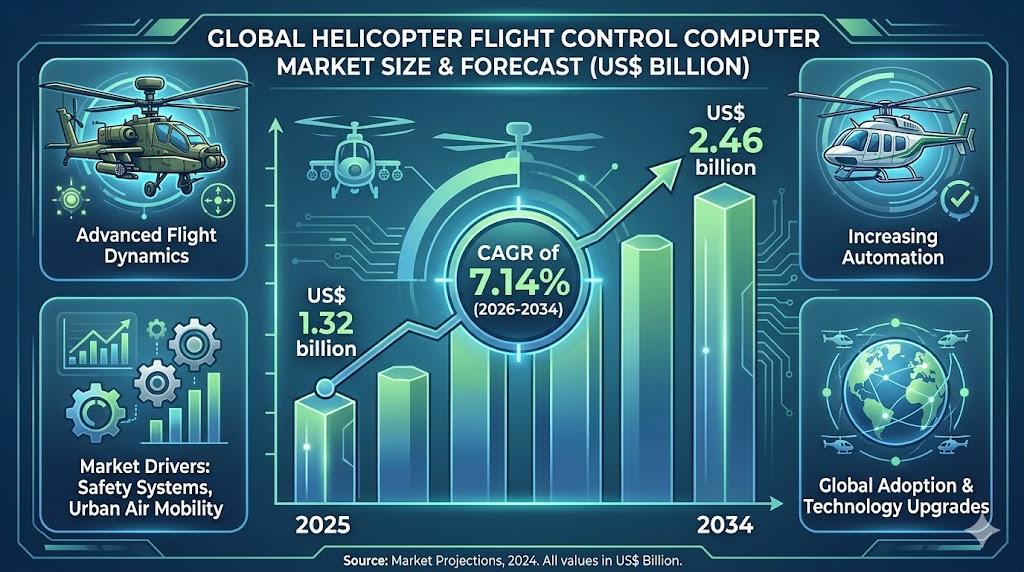
The aviation industry is witnessing a significant transformation driven by the integration of advanced electronics and automated systems. At the heart of modern rotorcraft operations lies the Flight Control Computer (FCC), a critical component designed to process pilot inputs and sensor data to maintain stability and maneuverability. The global helicopter flight control computer...
In a world where consumers are becoming increasingly conscious of sustainability, craftsmanship and social impact, the demand for meaningful gifts continues to grow. Among the most popular choices today are candles, particularly handmade candles that combine beauty, functionality and ethical values. Whether purchased for personal use or as thoughtful presents, candles offer a...

Project scheduling skills have become a highly valuable ability for professionals who want to grow their careers and succeed in project-based environments. Businesses across industries require employees who can plan activities, Primavera P6 Online Course manage deadlines, coordinate resources, and deliver projects efficiently. Professionals with strong...
