


Genuine vs Faux Leather Jackets: Which Is Worth It?

What "Genuine Leather" Actually Means
The term gets misused constantly. "Genuine leather" as a marketing label doesn't automatically mean high quality — it just means the product contains real animal hide somewhere in its construction. The quality spectrum within genuine leather is wide.
Here's how it actually breaks down:
Full-Grain Leather
The highest grade. Full-grain uses the outermost layer of the hide, where the grain is tightest and most intact. It hasn't been sanded or buffed to remove imperfections, which means it keeps the hide's natural strength and character. Over time, full-grain develops a patina — a gradual darkening and subtle sheen that comes from wear, oils, and age. That patina is what people mean when they say a leather jacket "breaks in." You can't fake it.
Most of what Jacketsports carries in their premium line sits in full-grain or top-grain territory. It's worth checking the product description before you buy.
Top-Grain Leather
One step down. The surface has been lightly sanded to remove blemishes, then finished with a coating that gives it a more uniform look. It's still real leather, still durable, and more consistent in appearance than full-grain. Most mid-range leather jackets use top-grain. The trade-off: it doesn't develop the same patina, and the finish can eventually peel in a way that full-grain won't.
Bonded Leather
This is where things get murky. Bonded leather is shredded leather scraps mixed with polyurethane binder, pressed into sheets. It's technically real leather, but so is sawdust technically wood. It looks fine for the first six months, then starts peeling and cracking in ways you can't repair. Avoid it for anything you plan to wear more than occasionally.
What Faux Leather Actually Is
Faux leather — also sold as vegan leather, PU leather, or synthetic leather — is polyurethane or PVC layered over a fabric backing. No animal hide involved.
The manufacturing has improved substantially in the last several years. Some faux leather products from better brands look nearly indistinguishable from top-grain leather on a rack. The texture, sheen, and weight have all gotten closer to the real thing. If someone's inspecting your jacket from across a bar, they probably won't notice. Up close, or after a year of wear? The differences show.
Side-by-Side: Where Each One Wins (and Loses)
Durability
Genuine full-grain leather, taken care of, lasts decades. A well-maintained leather jacket from your dad's closet in the '90s can still look sharp today. The hide thickens slightly and softens with use; minor scuffs and scratches often buff out or become part of the character.
Faux leather has a ceiling. The polyurethane layer is what you're actually wearing, and it degrades with UV exposure, heat, and regular flexing. Most faux leather jackets start showing wear — cracking, peeling along the sleeve creases — within two to four years of regular use. Higher-end synthetics push that timeline further, but it's still not the same durability bracket.
Genuine leather wins this category cleanly.
Feel and Drape
Real leather has weight and movement that's hard to replicate. The way a full-grain jacket settles on your shoulders, the way it moves when you walk — there's a physical quality to it that most buyers notice immediately when they try both side by side.
Faux leather tends to be lighter and slightly stiffer. Some people prefer the lighter feel. For something like a spring jacket you're not planning to layer over, that can actually be a plus.
Breathability
Genuine leather breathes. Not dramatically, but noticeably — it adapts to body temperature better than most synthetics, which trap heat and moisture more obviously.
If you've ever worn a plastic-feel jacket through a warm afternoon and felt like you were wrapped in a grocery bag, that's the breathability gap.
Cost
This is where faux leather has a real argument. A quality faux leather jacket runs $80–$200. A quality genuine leather jacket starts around $200 and goes up from there depending on leather grade, lining, and construction.
The cost-per-wear math sometimes favors genuine leather over time, but that math only works if you're buying full-grain and maintaining it. If you're buying bonded leather marketed as "genuine," the math flips entirely.
Maintenance
Genuine leather needs conditioning two to three times per year. That's about fifteen minutes and a $10–$20 leather conditioner. Without it, the leather dries and eventually cracks. With it, it holds up for decades.
Faux leather requires less upkeep, but also can't be rescued when it starts degrading. You can clean it with a damp cloth, but there's no conditioner that reverses polyurethane breakdown.
Ethics and Sustainability
This is where faux leather gets genuinely complicated. The "vegan leather" label suggests an environmental win, but PU and PVC are petroleum-based plastics that don't biodegrade, shed microplastics as they wear, and end up in landfill in two to five years. Genuine leather, from responsibly sourced hides, is a byproduct of the meat industry and biodegrades at end of life. Neither is perfect. The honest answer is: it depends on how long the jacket lasts and where the materials came from.
How to Tell Them Apart in Person
You don't always have the product label in front of you. Here's what to check:
The smell. Real leather has a distinctive earthy scent. Faux leather smells faintly synthetic or neutral. This takes about three seconds and is usually reliable.
The edges. Look at the seam edges — hems, cuffs, and zipper trim. Real leather edges look fibrous or raw when unfinished. Faux leather edges are usually smooth and even, because they're cut from a uniform sheet.
The stretch. Press the surface with your thumb and release. Full-grain leather wrinkles slightly and springs back slowly. Faux leather has a more plastic, immediate response.
The weight. A genuine leather jacket has noticeable heft even when it's slim. Faux leather is typically lighter for the same apparent thickness.
Which One Should You Actually Buy?
If you want a jacket you'll still be wearing in ten years and you're willing to spend $250–$400 from a brand that's clear about their leather grade, genuine leather is the right choice. JacketSports' genuine leather jackets are worth looking at in this range — the product pages specify leather type, which is more than most stores bother to do.
If you're buying for a specific outfit, a season, or a look you're not sure you'll maintain long-term, faux leather is a reasonable call. You're not locked into anything expensive, and the style payoff is often identical short-term.
What doesn't make sense: paying $150 for bonded leather marketed as "genuine leather" when you could get a better-made faux leather jacket for $100 or a real top-grain jacket for $200.
Caring for Whichever You Choose
Genuine leather:
- Condition every three to four months with a dedicated leather conditioner — not shoe polish, not coconut oil, not furniture wax
- Store on a wide hanger away from direct sunlight
- If it gets wet, let it air-dry fully before conditioning
- Spot clean with a slightly damp cloth; for deeper cleaning, use a leather-specific cleaner
Faux leather:
- Wipe with a damp cloth for regular cleaning
- Keep out of prolonged direct sunlight — UV accelerates degradation
- Don't iron or apply heat directly
- If peeling starts, it can't be reversed — touch-up paint products exist but only mask the problem
FAQs
Does genuine leather always look better than faux leather?
Not immediately. A well-made faux leather jacket can look nearly identical to top-grain leather for the first year or two. The difference becomes obvious over time — genuine leather ages with character, faux leather ages with wear damage. Day one? Hard to tell. Year three? Obvious.
Is "vegan leather" better for the environment than real leather?
Not clearly. Most vegan leather is PU or PVC plastic, which sheds microplastics, doesn't biodegrade, and has a shorter lifespan — meaning more waste over time. Responsibly sourced genuine leather biodegrades and typically lasts longer. The full environmental picture is more complicated than the marketing suggests.
Can faux leather be repaired if it starts peeling?
Temporary fixes exist — leather paint, fabric glue — but they don't restore the structural integrity of the polyurethane layer. Once it starts cracking and peeling along crease points, it tends to continue. Repair is cosmetic at best.
What's the minimum I should spend on a genuine leather jacket to get one worth buying?
For a jacket made from full-grain or quality top-grain leather with solid construction, plan on $200 minimum from a reputable retailer. Below that, you're mostly looking at bonded leather marketed with vague language. JacketSports' entry-level genuine leather range starts in that window and the product descriptions are specific about leather grade.
How long does a genuine leather jacket typically last?
With basic conditioning and proper storage, a full-grain leather jacket can last 20–30 years. Top-grain runs 10–15 years with similar care. That lifespan is a function of maintenance more than anything else — a neglected full-grain jacket degrades faster than a well-maintained top-grain one.
The Bottom Line
Genuine leather isn't always worth it. Faux leather isn't always a compromise. The honest version of this conversation comes down to three questions: How long do you want the jacket? How much do you want to spend? And are you willing to spend twenty minutes a year conditioning it?
If the answer is "a long time, I'll invest properly, and yes" — genuine leather, full-grain where possible, from a store that's specific about what you're buying. JacketSports fits that description. Their catalog is clear on leather type, and the quality shows in how the jackets wear in over the first season.
If the answer is "I want something that looks good now and I'm not sure about long-term" — faux leather from a well-made brand is a sensible choice, just go in with accurate expectations.
Browse JacketSports' genuine leather collection — product descriptions include leather grade, lining details, and construction notes so you know exactly what you're buying before it ships.
Catégories
Lire la suite
Prefilled Syringes Market: Size, Growth, Trends, Key Companies, and Forecast Prefilled Syringes Market Overview The Prefilled Syringes Market is experiencing strong momentum and is projected to witness substantial growth between 2025 and 2033. This expansion is primarily driven by the rising prevalence of chronic diseases, increasing adoption of biologics and biosimilars,...

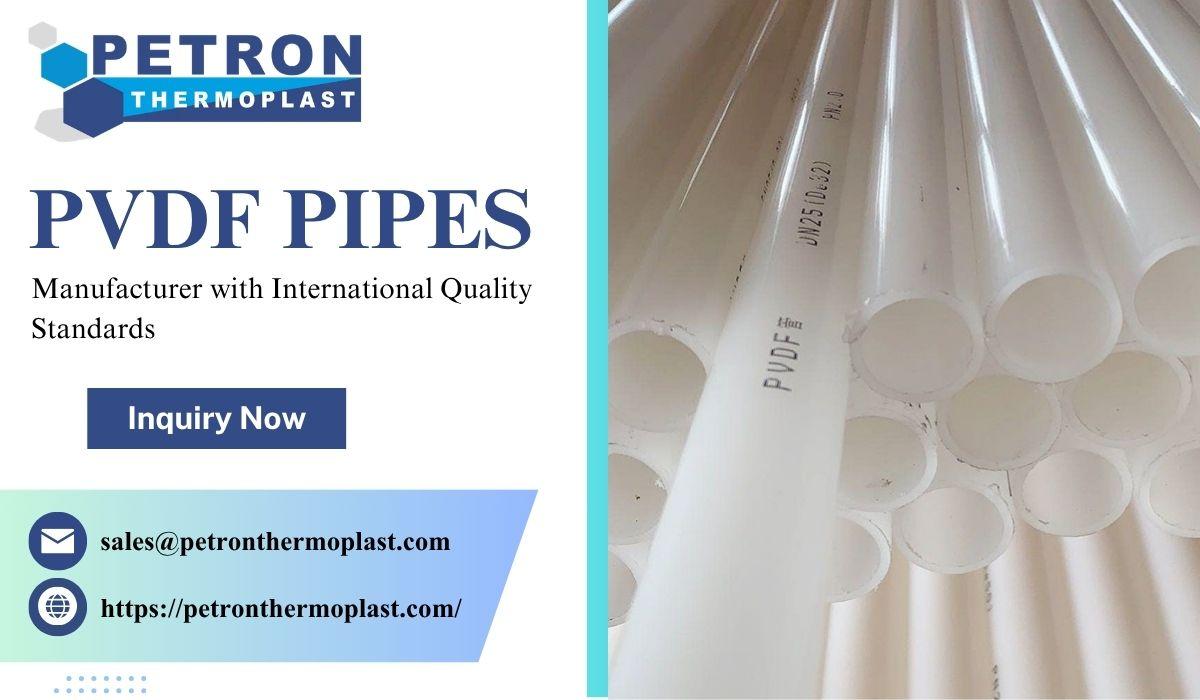
Modern industrial processes require highly reliable piping systems capable of handling aggressive chemicals, ultra-pure fluids, and demanding operational conditions. Industries such as pharmaceuticals, semiconductors, chemical processing, biotechnology, water treatment, and electronics manufacturing require piping infrastructure that delivers exceptional purity, chemical resistance, and...
Electric Bicycle Market Size, Share & Growth Forecast 2026–2034 Market Overview The Electric Bicycle Market is witnessing substantial growth as consumers, businesses, and governments increasingly embrace sustainable transportation solutions. Electric bicycles combine traditional cycling with battery-powered assistance, offering an efficient, convenient, and environmentally friendly...

Introduction to Essentials brand Streetwear has transformed from underground culture into a global fashion movement, and at the center of this revolution lies the Essentials hoodie. What started as a simple layering piece has now become a powerful style statement embraced by influencers, athletes, celebrities, and everyday fashion lovers alike. Essentials, designed to merge minimalism with...

If you have been tracking the Palanpur real estate market over the last few years, you already sense something is shifting. While Ahmedabad, Surat, and Vadodara continue to dominate the headlines, smart homebuyers and investors are quietly turning their attention northward. Palanpur the administrative heart of Banaskantha district is no longer just a passing name on the Gujarat map....