


Technological advancements continue to influence dangerous goods management practices.

IATA dangerous goods regulations play a critical role in ensuring the safe transportation of hazardous materials by air. Developed and maintained by the International Air Transport Association, these regulations provide internationally recognized standards for identifying, classifying, packaging, marking, labeling, documenting, handling, and transporting dangerous goods within the aviation industry. Airlines, freight forwarders, shippers, logistics providers, ground handling companies, and regulatory authorities rely on IATA dangerous goods requirements to promote safety and compliance throughout the air cargo supply chain.
Dangerous goods are substances or articles that can pose a risk to health, safety, property, or the environment during transportation. These materials include a wide range of products such as flammable liquids, gases, explosives, corrosive substances, toxic chemicals, lithium batteries, radioactive materials, and certain consumer products. Because air transportation involves unique operational and safety challenges, strict IATA dangerous goods regulations are necessary to minimize potential risks and protect passengers, crew members, aircraft, and cargo.
The IATA Dangerous Goods Regulations, often referred to as the DGR, are widely recognized as the global standard for air transport of hazardous materials. The regulations are based on technical instructions established by the International Civil Aviation Organization and are updated regularly to reflect evolving industry practices, technological developments, and regulatory requirements. These updates help ensure that safety standards remain effective and aligned with international transportation needs.
One of the primary objectives of IATA dangerous goods regulations is proper classification. Hazardous materials are grouped into specific classes based on the type of risk they present. These classifications help transportation professionals determine appropriate packaging, handling procedures, documentation requirements, and emergency response measures. Accurate classification is essential for ensuring that dangerous goods are transported safely and in accordance with applicable regulations.
Packaging is another critical component of IATA dangerous goods compliance. Hazardous materials must be packaged in containers that meet strict performance standards designed to withstand the conditions encountered during air transport. Proper packaging helps prevent leaks, spills, contamination, and other incidents that could compromise safety. Depending on the nature of the material being transported, different packaging specifications and testing requirements may apply.
Marking and labeling requirements are equally important within the IATA dangerous goods framework. Packages containing hazardous materials must display specific markings and hazard labels that clearly communicate the nature of the risks involved. These visual indicators help cargo handlers, airline personnel, emergency responders, and regulatory authorities identify dangerous goods quickly and respond appropriately if necessary.
Documentation is another key aspect of compliance. Accurate shipping documentation ensures that all parties involved in the transportation process have access to essential information regarding the dangerous goods being transported. Proper documentation supports regulatory compliance, facilitates inspections, and enhances safety throughout the supply chain. Errors or omissions in shipping documentation can lead to delays, penalties, and increased operational risks.
Training is a fundamental requirement for organizations involved in dangerous goods transportation. Personnel responsible for preparing, handling, accepting, storing, loading, or transporting hazardous materials must understand applicable regulations and their specific responsibilities. IATA dangerous goods training programs help employees develop the knowledge and competencies needed to perform their duties safely and effectively while maintaining compliance with industry standards.
The increasing use of lithium batteries in consumer electronics, industrial equipment, and electric vehicles has further highlighted the importance of dangerous goods regulations. Lithium batteries present unique transportation challenges due to their potential fire risks, particularly when damaged, defective, or improperly packaged. IATA regulations provide detailed guidance to help organizations manage these risks and ensure safe air transportation.
Compliance with IATA dangerous goods requirements benefits organizations in multiple ways. In addition to improving safety, compliance helps reduce the likelihood of incidents, regulatory violations, shipment delays, and operational disruptions. Companies that maintain strong dangerous goods management practices often enhance their reputation, improve customer confidence, and support more efficient logistics operations.
The global nature of modern supply chains means that dangerous goods frequently move across international borders and through multiple transportation networks. Standardized regulations help create consistency and facilitate cooperation among airlines, logistics providers, manufacturers, and regulatory authorities worldwide. This harmonized approach supports the safe and efficient movement of hazardous materials while reducing confusion and operational complexity.
Technological advancements continue to influence dangerous goods management practices. Digital documentation systems, automated compliance tools, tracking technologies, and online training platforms help organizations.
Категории
Больше
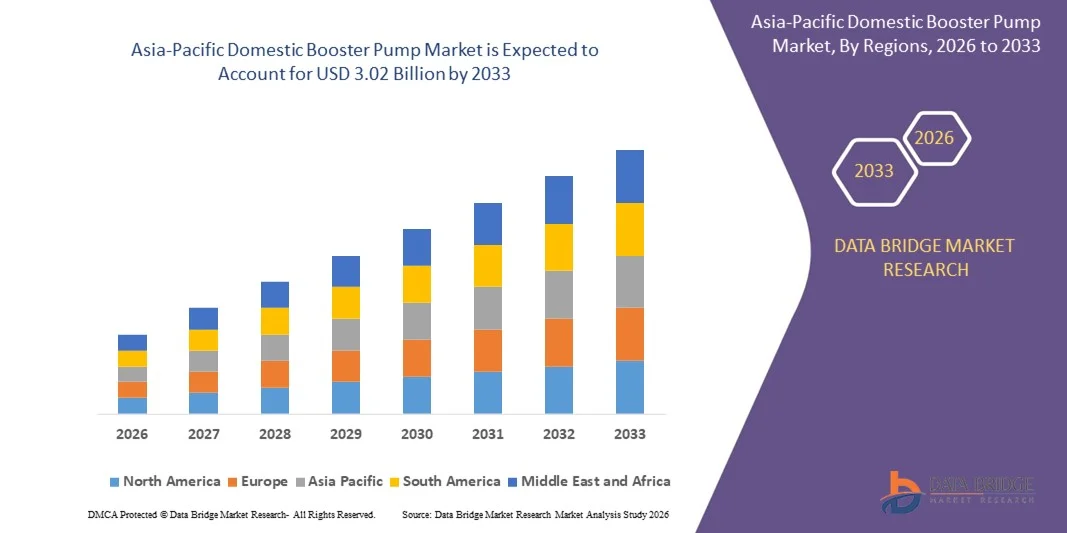
Asia-Pacific Domestic Booster Pump Market: According to the latest report published by Data Bridge Market Research, the Asia-Pacific Domestic Booster Pump Market The Asia-Pacific domestic booster pump market size was valued at USD 1.52 billion in 2025 and is expected to reach USD 3.02 billion by 2033, at a CAGR of 8.9% during the forecast period Global...
In the modern healthcare industry, access to reliable and quality medicines plays an important role in supporting effective treatment and better patient care. Specialized therapies often require medicines that may not be easily available through regular channels. Galaxy Super Speciality focuses on providing pharmaceutical solutions for a wide range of specialized healthcare requirements,...

Customer service has become one of the most important parts of any successful business. Customers today expect quick responses, respectful communication, and genuine support whenever they interact with a company. Even a single poor experience can affect trust and damage long-term relationships. Because of this, businesses are paying more attention to how their teams communicate with clients,...
Making GIAC GCED Exam Study Simple and Stress-Free Preparing for the GIAC GCED exam does not have to feel stressful or confusing. Many students struggle because they study too much without a clear plan. They read many resources but still feel unsure about what really matters for the exam. Choosing clear and trusted GIAC GCED study material makes preparation simple, focused, and more effective....

Top Free VPNs for Firestick Discover top-tier free VPN solutions tailored for Amazon Firestick Unlock global streaming content and bolster your digital privacy Without draining your wallet on premium services ProtonVPN stands out with limitless data allowances Ideal for buffer-free HD streaming on Firestick devices Their strict zero-logs policy ensures complete anonymity Windscribe provides...
