Visa Blood Test Preparation Guide for Hassle-Free Screening
A visa blood test is one of the most important components of the immigration medical examination required for work visas, study permits, permanent residency applications, and long-term travel approvals. While the procedure itself is quick and straightforward, proper preparation determines whether the process is smooth, accurate, and free from delays.
Immigration medical screening is designed to evaluate overall health status, detect infectious diseases, and ensure applicants meet public health standards of the destination country. However, many applicants face unnecessary stress due to lack of preparation for fasting requirements, documentation rules, and laboratory testing procedures.
This comprehensive Visa Blood Test Dubai preparation guide explains everything you need to know to ensure hassle-free screening, accurate results, and a smooth immigration medical exam experience.
Understanding the Purpose of Visa Blood Testing in Immigration Health Checks:
Before preparing for the test, it is important to understand why the visa medical examination exists. Immigration authorities use blood testing as part of a broader health assessment system that includes physical examination, chest X-rays, urine tests, and vaccination review.
The visa blood test primarily screens for infectious diseases such as tuberculosis-related markers, hepatitis B and C, syphilis, and sometimes HIV depending on immigration policy. It also evaluates general health indicators like liver function, kidney function, blood sugar levels, and complete blood count (CBC).
These tests are conducted by panel physicians approved by immigration authorities, and results are submitted directly to visa processing departments as part of the official medical report.
Pre-Test Health Optimization: Preparing Your Body for Accurate Results
One of the most important aspects of visa blood test preparation is optimizing your physical condition before the appointment. Even small lifestyle factors can influence blood test accuracy and potentially delay immigration medical clearance.
Maintaining a balanced diet in the days leading up to the test helps stabilize blood sugar and cholesterol levels. Avoiding heavy, oily meals before the examination can contribute to more accurate metabolic readings.
Hydration plays a key role in ensuring smooth blood collection. Drinking sufficient water before the test improves vein visibility and reduces discomfort during sample collection. However, excessive caffeine or sugary beverages should be avoided as they may temporarily alter physiological markers.
Proper sleep is equally important. Lack of rest can affect immune response, blood pressure, and stress hormone levels, which may influence immigration medical screening results.
Fasting Guidelines for Visa Blood Test Accuracy:
Fasting is often required for certain types of visa medical examinations, especially when glucose or lipid profile testing is included. Typically, fasting for 8–12 hours is recommended depending on clinic instructions.
During fasting, only water is usually permitted. Food, tea, coffee, and sugary drinks should be avoided to ensure accurate blood chemistry readings.
Following fasting instructions correctly is essential because non-compliance may result in abnormal readings, requiring repeat testing and delaying the immigration medical examination process.
Applicants should always confirm fasting requirements with the panel physician before the appointment, as not all visa blood tests require fasting.
Medication and Lifestyle Adjustments Before the Appointment:
Proper disclosure of medications is a critical part of visa blood test preparation. Prescription drugs, over-the-counter medicines, and herbal supplements can all influence blood test results.
For example, certain antibiotics or painkillers may affect liver function tests, while supplements can alter vitamin and mineral levels. Always inform the panel physician about ongoing treatments to ensure accurate interpretation of results.
Alcohol consumption should be strictly avoided for at least 24–48 hours before the test. Alcohol can significantly elevate liver enzymes and distort biochemical readings used in immigration health screening.
Smoking should also be minimized before the appointment, as it can temporarily affect blood pressure and oxygen levels during the physical examination phase.
Document Checklist for a Smooth Visa Medical Appointment:
Having the correct documents ready is essential for a hassle-free immigration medical examination. Missing paperwork is one of the most common causes of delays.
Applicants should carry a valid passport as primary identification, along with visa application reference numbers and medical request letters issued by immigration authorities.
Some countries also require vaccination records, previous medical reports, or proof of prior health screenings. Organizing these documents in advance ensures smooth registration at the panel physician clinic.
Keeping all documents in a single folder helps reduce confusion and speeds up administrative processing at the medical center.
Choosing the Right Panel Physician or Medical Center:
Visa blood tests must be conducted only at authorized medical centers approved by immigration authorities. These panel physicians follow standardized protocols for immigration medical examination and ensure compliance with international health screening guidelines.
Selecting an accredited clinic ensures that your test results are accepted directly by immigration authorities without additional verification delays.
It is also advisable to book appointments early, especially during peak visa application seasons, to avoid long waiting times and scheduling delays.
What to Expect During the Visa Blood Test Procedure?
Understanding the actual procedure helps reduce anxiety and ensures a smooth experience. The visa blood test is a quick and minimally invasive process performed by trained medical technicians.
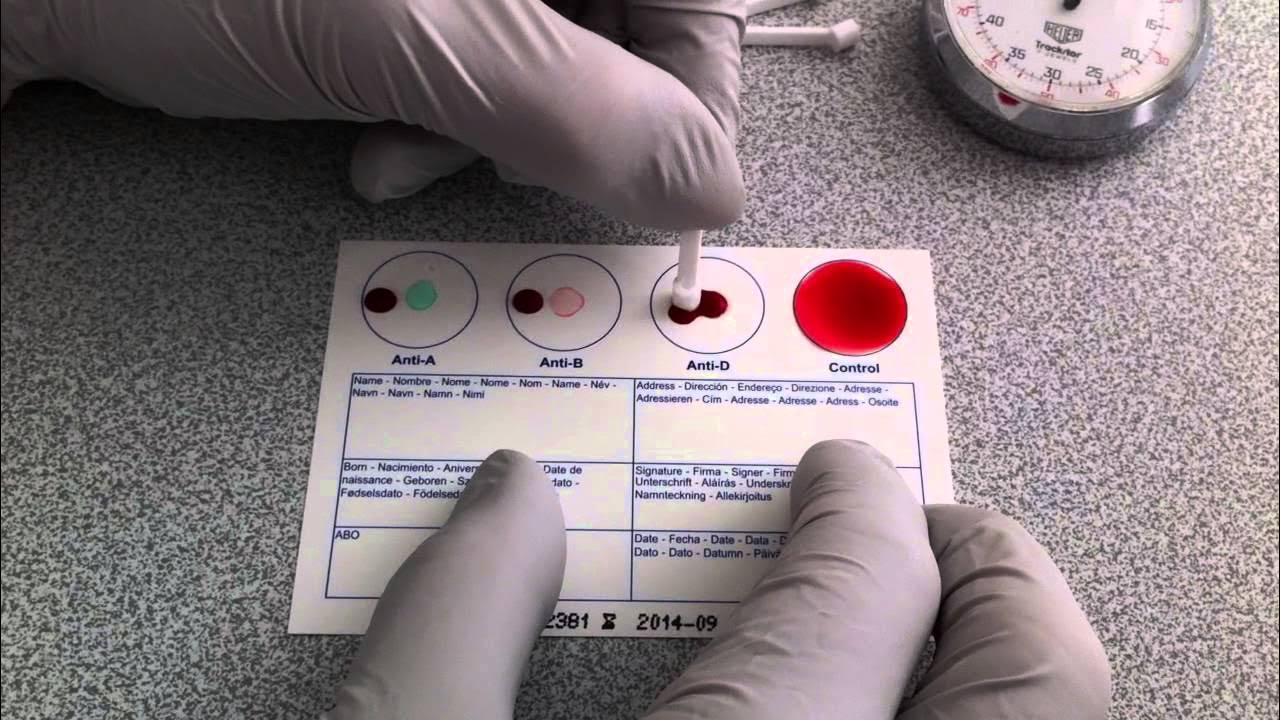
After registration and basic physical examination, a blood sample is collected from a vein in the arm using sterile equipment. The procedure usually takes only a few minutes and causes minimal discomfort.
The collected sample is labeled and sent to an accredited laboratory for analysis, where it is tested for infectious diseases and general health markers required for immigration medical screening.
In most cases, additional tests such as chest X-rays or urine analysis may also be conducted during the same visit depending on visa requirements.
Common Mistakes to Avoid Before Visa Blood Testing:
Many applicants unintentionally affect their test results due to avoidable mistakes. One of the most common errors is ignoring fasting instructions, which can lead to inaccurate glucose or lipid readings.
Another frequent mistake is failing to disclose medical history or medications. This can result in misinterpretation of test results and unnecessary repeat testing during the immigration medical examination.
Consuming alcohol shortly before the test is another major issue, as it can significantly impact liver function results and delay visa processing.
Stress and anxiety can also affect vital signs such as blood pressure, which may influence overall medical evaluation outcomes.
Managing Anxiety for a Smooth Immigration Medical Experience:
Stress management is an often-overlooked part of visa blood test preparation. Many applicants experience anxiety before medical screening, which can temporarily affect physiological readings.
Practicing deep breathing techniques or light relaxation exercises before the appointment can help stabilize heart rate and blood pressure.
Arriving early at the medical center allows time to complete registration calmly and reduces time-related stress.
Understanding that the visa blood test is a routine and standardized procedure helps applicants remain relaxed throughout the process.
Post-Test Process and What Happens Next:
After the visa blood test is completed, samples are sent to accredited laboratories for analysis. Processing time typically ranges from 24 hours to several days depending on the complexity of required tests.
Once results are ready, the panel physician reviews all findings and prepares a medical report for immigration authorities. This report is submitted directly through secure channels as part of the visa application process.
Applicants are usually notified only if additional testing or clarification is required. Otherwise, results remain confidential between the medical center and immigration authorities.
Expert Tips for a Hassle-Free Visa Blood Test Experience:
Experts recommend following all pre-test instructions carefully to ensure smooth immigration medical screening. Staying hydrated, following fasting guidelines, and avoiding alcohol or heavy meals are essential steps.
Maintaining honest communication with the panel physician helps ensure accurate interpretation of results and reduces the risk of delays.
Planning ahead by booking appointments early and organizing documents properly can significantly improve the overall experience.
Finally, maintaining a healthy lifestyle before the test contributes to stable results and smoother visa processing outcomes.
Conclusion:
A visa blood Lab tests is a crucial part of the immigration medical examination process, designed to ensure public health safety and verify medical eligibility for entry into a new country. While the procedure may seem complex, proper preparation makes it simple, efficient, and stress-free.
By following fasting guidelines, managing lifestyle habits, organizing documents, and understanding what to expect during the appointment, applicants can avoid common mistakes and ensure accurate results.
Ultimately, visa blood test preparation is about awareness and discipline. With the right approach, applicants can complete their immigration medical screening smoothly and confidently move forward in their visa journey without unnecessary delays.
Kategoriler
Read More
The dream of owning a home is a powerful motivator, but for many young professionals and growing families, the initial cash requirement feels like an insurmountable wall. You might find yourself staring at real estate listings and wondering exactly how much down payment for a house is needed to get started. While the old-school advice suggested saving twenty percent, the modern...

Why Businesses in Lahore Need Digital Marketing More Than Ever In today’s fast-paced world, having a business in Lahore means facing tough competition both locally and globally. The traditional marketing methods like flyers, billboards, and print ads are no longer enough to capture your audience’s attention. Customers now live in the digital world — scrolling social media,...

In the crowded world of digital marketing, audiences are quick to ignore traditional sales pitches and generic advertisements. The brands that succeed are those that tell stories reflecting real human experiences and emotions. Human Centered Storytelling provides marketers a framework to move beyond product promotion and create authentic connections that resonate with audiences on a deeper...

Acupuncture is an ancient healing technique that has become increasingly popular among people looking for natural ways to support their overall health and wellbeing. Acupuncture Treatment in Dubai offers a holistic approach that focuses on restoring balance within the body through carefully placed thin needles at specific points. This traditional therapy is commonly used for managing...

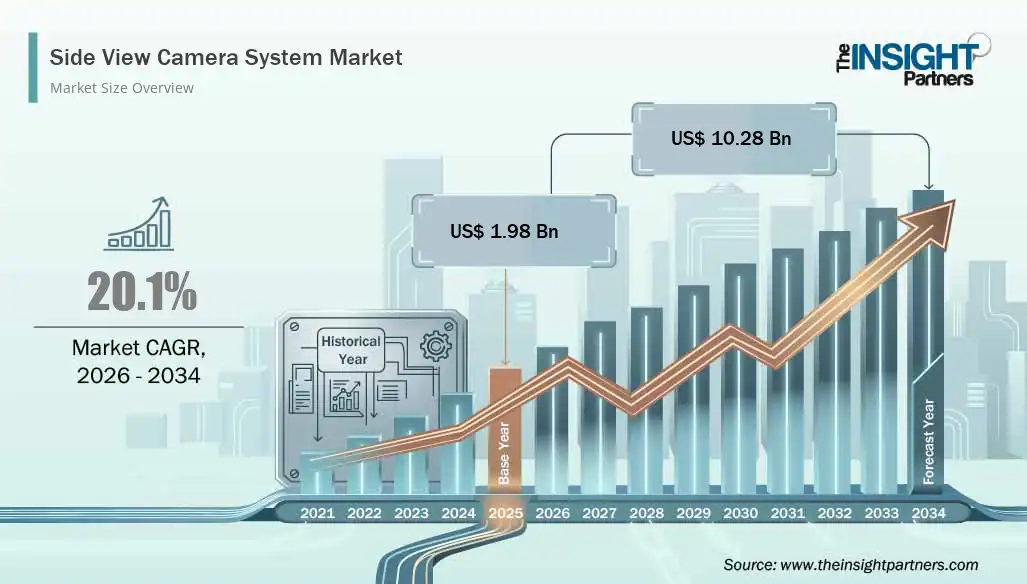
The Side View Camera System Market is witnessing rapid expansion as the automotive industry embraces advanced driver assistance systems and intelligent vehicle safety technologies. Side view camera systems are designed to replace or complement conventional exterior mirrors by providing drivers with enhanced visibility, reducing blind spots, and improving overall road safety. These systems are...