


Deconstructing the Competitive Dynamics of the Global Sustainability Management Software Share

The global Sustainability Management Software Market Share is a fragmented, dynamic, and increasingly crowded arena where several distinct categories of vendors are fiercely competing for leadership. Unlike more mature enterprise software markets dominated by a few giants, the sustainability space is a complex ecosystem populated by a mix of specialized pure-play vendors, established Environment, Health, and Safety (EHS) platform providers, major enterprise software behemoths, and a growing cohort of management consulting firms. Each of these competitor types brings a unique set of capabilities, go-to-market strategies, and historical strengths to the table. The battle for market share is a fascinating and evolving story, defined by a tension between deep, specialized ESG expertise and the power of broad, integrated enterprise platforms. Understanding the distinct strategies and value propositions of these different groups is essential for any organization seeking to navigate the vendor landscape and for any observer looking to understand the future direction of this critically important technology sector.
A significant and highly influential portion of the market share is held by a group of specialized, pure-play ESG and sustainability software vendors. Companies like Sphera, Enablon (which is now part of Wolters Kluwer), Cority, and Intelex (part of Fortive) have deep roots in this space, often evolving from a focus on environmental compliance or operational risk management. Their primary competitive strategy is to be the best-of-breed solution, offering the most comprehensive and deepest functionality specifically tailored to the needs of sustainability and ESG professionals. They compete on the strength of their sophisticated calculation engines for greenhouse gas emissions, their extensive, pre-built reporting templates for a wide array of global frameworks (GRI, SASB, CSRD, etc.), and their deep domain expertise in complex areas like product stewardship and supply chain sustainability. These vendors appeal to large, mature organizations with complex global operations and sophisticated sustainability programs, who require a powerful, purpose-built platform that goes far beyond basic data collection and reporting, positioning themselves as the go-to experts in a highly specialized field.
Another major segment of the market share is controlled by established Environment, Health, and Safety (EHS) software platform providers who have strategically expanded their offerings to encompass the broader ESG agenda. These vendors have a strong historical foothold in managing data related to workplace safety, incident management, and environmental compliance (such as air and water permits). Their strategy is to leverage their existing, loyal customer base within the operational and EHS departments of large industrial companies and cross-sell their new sustainability and ESG modules. Their key advantage is their deep integration with operational data sources and their proven ability to manage compliance-related workflows. For a manufacturing company that already uses a particular vendor's platform to manage its factory safety and environmental permits, adopting that same vendor's module for carbon accounting can be a natural and logical extension. This "land and expand" strategy allows them to compete effectively by offering a more holistic platform for managing all aspects of operational risk, safety, and sustainability in a single, unified system.
The most significant disruptive threat to the established specialists comes from the major enterprise software giants, particularly the Enterprise Resource Planning (ERP) and cloud platform behemoths like SAP, Salesforce, and Microsoft. These titans are aggressively moving into the sustainability space, recognizing it as a major new growth vector. Their strategy is not necessarily to out-feature the pure-play specialists, but to leverage their massive scale and the power of their platforms. SAP, for example, is building sustainability data management capabilities directly into its core S/4HANA ERP system, arguing that ESG data is intrinsically linked to the financial and operational data that already resides within their system. Salesforce has launched its "Net Zero Cloud," leveraging its expertise in CRM to create a platform for tracking carbon emissions and supplier engagement. The primary advantage of these giants is their ability to offer a deeply integrated solution and their massive, existing customer relationships. For the millions of companies that already run their business on SAP or Salesforce, the prospect of an integrated sustainability solution from their primary vendor is incredibly compelling, creating a powerful competitive challenge for the standalone best-of-breed players.
Top Trending Reports:
Categorias
Leia mais
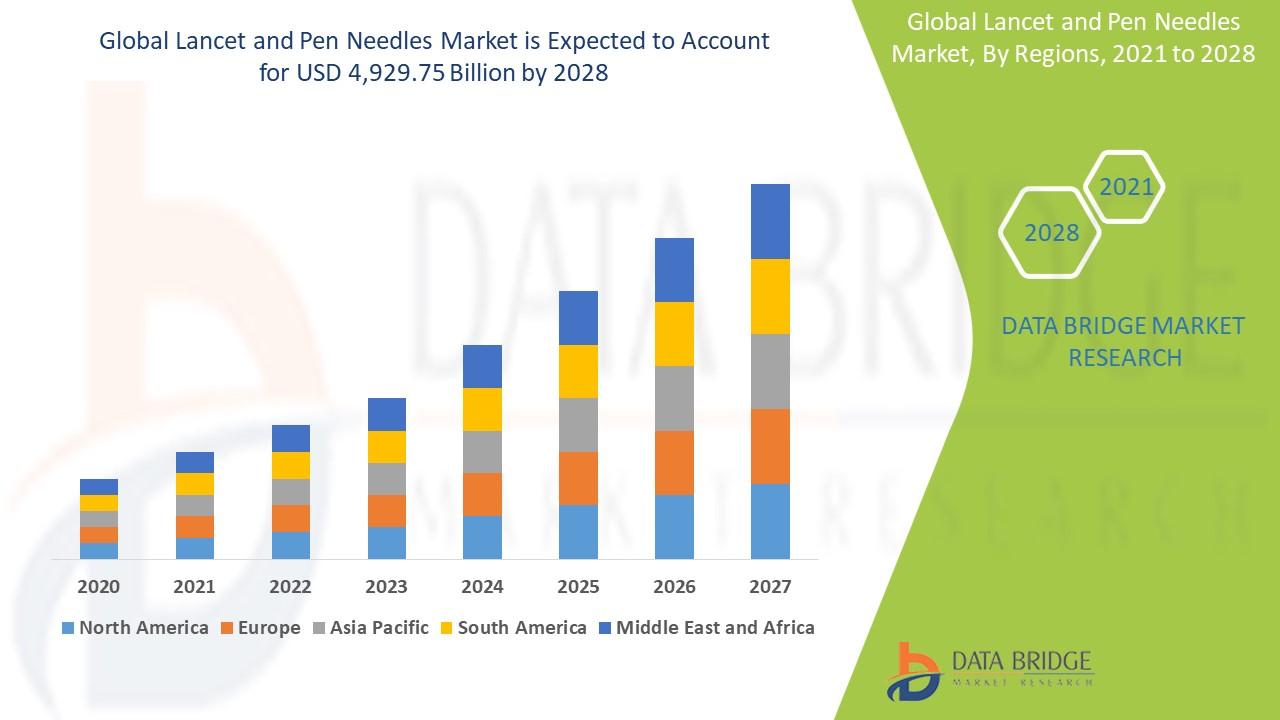
"Executive Summary: Lancet and Pen Needles Market Size and Share by Application & Industry CAGR Value Data Bridge Market Research analyses the market to account to USD 4,929.75 billion by 2028 growing at a CAGR of 9.33% in the above-mentioned forecast period. In the leading Lancet and Pen Needles Market report, industry trends have been described on the macro level, which...
In today’s fast-paced global economy, businesses rely heavily on efficient transportation and delivery systems to remain competitive. Whether it’s moving products across cities or shipping goods internationally, choosing the right logistics company plays a critical role in ensuring timely and secure delivery. From small businesses to large corporations, companies depend on reliable...

As we navigate the middle of 2026, Canadian retirees face a financial landscape defined by a widening "retirement gap." With the median after-tax income for individual seniors hovering around $31,400 per year, many homeowners find that government benefits like CPP and OAS simply cannot cover the rising costs of healthcare and aging in place. This has led to a surge in interest for equity...

A beautiful outdoor area can change how you enjoy your home. Many homeowners choose Block Paving Woking when they want a stylish surface that adds charm strength and comfort to their gardens or driveways. A well planned paving project can turn a plain space into a welcoming area for family activities and relaxation. The right design creates an outdoor feature that looks great and lasts for...

The global healthcare ecosystem is experiencing an unprecedented shift toward highly specialized, bio-compatible materials to ensure maximum patient safety and treatment efficacy. At the forefront of this transformation is the Medical Silica Gel Tube Market, which has evolved from a standard hospital component into a critical asset for modern medical devices, drug delivery networks, and complex...
