


How Rudraksha Beads Are Sourced from Himalayan Regions
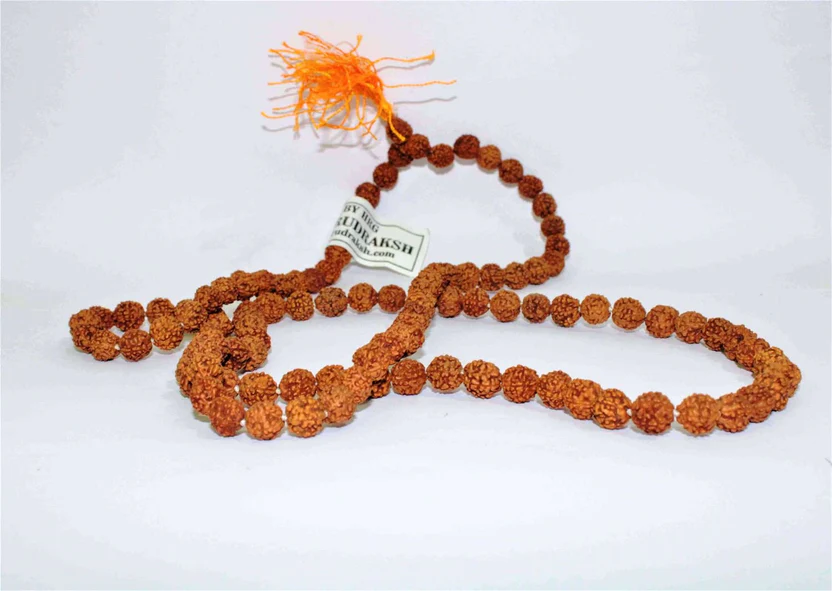
Rudraksha beads have been an integral part of spiritual traditions for thousands of years. Revered by saints, yogis, and devotees of Lord Shiva, these sacred beads are commonly used for meditation, mantra chanting, and daily spiritual practices. Among all sources of Rudraksha, Himalayan and Nepal-origin Rudraksha beads are considered the most sought-after because of their natural formation, larger size, and clearly defined mukhis.
Many people who buy 5 Mukhi Rudraksha Mala specifically look for Himalayan-origin Rudraksha due to its reputation for authenticity and quality. Understanding how these sacred beads are sourced helps buyers appreciate the journey from the forests of the Himalayas to the malas worn by spiritual seekers around the world.
The Natural Habitat of Rudraksha Trees
Rudraksha beads come from the Elaeocarpus ganitrus tree, which grows in select regions with favorable climatic conditions. The Himalayan foothills and Nepal provide an ideal environment because of:
-
Moderate temperatures
-
Rich fertile soil
-
Natural rainfall
-
High humidity levels
-
Clean mountain ecosystem
These conditions support healthy tree growth and the production of high-quality Rudraksha fruits.
Where Himalayan Rudraksha Is Found
Most premium Rudraksha beads are sourced from:
-
Nepal
-
Himalayan foothills of India
-
Certain mountainous regions of Southeast Asia
Among these, Nepal-origin Rudraksha is widely preferred because the beads are generally larger and have more prominent mukhi lines, making them easier to identify and classify.
The Growth Cycle of Rudraksha Trees
Rudraksha trees take several years to mature before they begin producing fruits. Once mature, the trees bear blue-colored fruits that contain the sacred Rudraksha seed inside.
Local farmers and communities often care for these trees naturally without intensive commercial farming methods. This traditional approach helps preserve the natural characteristics of the Rudraksha beads.
Harvesting Rudraksha Fruits
The harvesting process begins when the fruits fully ripen. In many Himalayan regions, local collectors gather fruits after they naturally fall from the trees, while some are carefully picked at the right stage of maturity.
The harvested fruits are then:
-
Sorted for quality
-
Inspected for maturity
-
Collected in batches
-
Prepared for cleaning and processing
Proper harvesting is essential to ensure that the Rudraksha seeds remain undamaged.
Removing the Outer Fruit Layer
Once harvested, the fruits undergo a cleaning process to reveal the Rudraksha seed hidden inside.
This process generally includes:
-
Soaking the fruits in water
-
Softening the outer pulp
-
Removing the fruit covering
-
Cleaning the exposed seed
-
Drying the Rudraksha naturally
After cleaning, the natural grooves and mukhis become visible.
Identification of Mukhis
One of the most important stages in sourcing Rudraksha is identifying the number of mukhis or natural faces present on each bead.
Common varieties include:
-
1 Mukhi Rudraksha
-
2 Mukhi Rudraksha
-
3 Mukhi Rudraksha
-
4 Mukhi Rudraksha
-
5 Mukhi Rudraksha
-
6 to 14 Mukhi Rudraksha
-
Rare higher Mukhi varieties
Among all types, the 5 Mukhi Rudraksha is the most widely available and commonly used for meditation and spiritual practices.
This is one reason why many devotees choose to buy 5 Mukhi Rudraksha Mala for daily wear and mantra chanting.
Quality Inspection and Grading
After the mukhis are identified, the beads are graded according to:
-
Size
-
Shape
-
Natural formation
-
Mukhi clarity
-
Surface texture
Premium Himalayan Rudraksha beads are carefully selected to ensure consistency and authenticity.
This grading process helps buyers receive genuine and high-quality Rudraksha products.
Crafting Rudraksha Malas
Once the beads have been sorted and graded, they are handcrafted into malas.
The process involves:
-
Matching bead sizes
-
Stringing the beads carefully
-
Adding a guru bead
-
Creating durable knots
-
Final quality inspection
A traditional Rudraksha mala typically contains 108 beads plus one guru bead, making it ideal for mantra chanting and meditation.
Why Himalayan Rudraksha Is Preferred
Many spiritual seekers specifically choose Himalayan Rudraksha because of its:
Larger Bead Size
Nepal-origin beads are often larger and more prominent than those sourced from other regions.
Clearly Defined Mukhis
The natural mukhi lines are usually deeper and easier to identify.
Traditional Significance
Himalayan Rudraksha has been used in spiritual traditions for centuries and continues to hold strong cultural importance.
Durability
Authentic Himalayan Rudraksha beads are known for their long-lasting quality and natural strength.
Importance of Authenticity
As Rudraksha becomes increasingly popular, buyers should be careful when purchasing online. Authenticity is far more important than appearance alone.
Before purchasing, look for:
-
Natural mukhi lines
-
Genuine bead texture
-
Reliable seller reputation
-
Proper sourcing information
-
Authenticity assurance
A genuine Rudraksha mala offers greater confidence and spiritual value than imitation products.
Choosing the Right Rudraksha Mala
For beginners and experienced practitioners alike, the 5 Mukhi Rudraksha Mala remains one of the most popular choices.
People often buy 5 Mukhi Rudraksha Mala for:
-
Meditation
-
Mental peace
-
Daily prayer
-
Spiritual growth
-
Focus and concentration
-
Positive energy
Its universal appeal makes it suitable for people of all ages and backgrounds.
Trusted Source for Himalayan Rudraksha
Many devotees trust Himalaya Rudraksha Anusandhan Kendra for authentic Himalayan and Nepal-origin Rudraksha products. The brand is known for offering genuine Rudraksha malas suitable for meditation, mantra chanting, and daily spiritual practices.
Whether you are looking to buy 5 Mukhi Rudraksha Mala or explore other Rudraksha varieties, choosing a trusted source helps ensure authenticity and quality.
Final Thoughts
The journey of Rudraksha beads from the Himalayan regions to a finished mala is a remarkable blend of nature, tradition, and spirituality. From carefully nurtured trees and naturally harvested fruits to handcrafted malas, every step reflects centuries of sacred heritage.
Understanding how Rudraksha is sourced not only increases appreciation for these sacred beads but also highlights the importance of selecting authentic Himalayan Rudraksha for meditation, mindfulness, and spiritual growth.
Категории
Больше
HARGATOTO has changed into a familiar name among on the web gambling lovers who appreciate comfort, creativity, and an engaging digital experience. As the online gambling market continues to evolve, people seek programs that mix clean performance, varied amusement choices, and user-friendly navigation. HARGATOTO was created to meet these objectives by giving a pleasurable environment where...

In 2026, eye health supplements are gaining massive popularity as more people struggle with blurred vision, digital eye strain, and age-related vision decline. Among the trending products, Reticlear has quickly captured attention. But the big question remains: is Reticlear legit or just another scam? With so many supplements flooding the market, it’s essential to separate marketing hype...

Maryland homeowners looking to upgrade their homes think about flooring first. In a home, the floor plays an important role in enhancing the aesthetics of the house. Further, floor contributes to comfort, functionality, and long-term property resale value. If you’re in the market to remodel your home, you should find the right professionals to get the job done right. Whether you...

Executive Summary Portable Fridges Market Size, Share, and Competitive Landscape The global portable fridges market size was valued at USD 1.89 billion in 2024 and is projected to reach USD 2.64 billion by 2032, with a CAGR of 4.30% during the forecast period of 2025 to 2032. An exceptional Portable Fridges Market research document can be formulated well with the blend of...
Insomnia can have a significant impact on overall health, mood, and daily productivity. People experiencing persistent sleep problems often look for treatment options and may search for phrases such as buy Zopiclone UK while seeking information about available solutions. Before considering any treatment, it is important to understand how zopiclone works, its potential benefits, and the...
