


Procurement Market Intelligence in 2026: Trends Reshaping Strategic Sourcing Decisions Leaders Should Know

Procurement Market Intelligence in 2026: Trends Reshaping Strategic Sourcing Decisions Leaders Should Know
The Growing Strategic Importance of Market Intelligence
Procurement has entered a new era in which sourcing decisions are shaped by data, risk visibility, and predictive insights rather than historical purchasing patterns alone. Global supply chain disruptions, inflationary pressures, regulatory changes, and shifting supplier ecosystems have elevated the importance of procurement market intelligence as a core capability for organizations seeking resilience and competitive advantage. In 2026, procurement leaders are expected to make decisions that support cost optimization while also enabling business continuity, innovation, and long-term value creation. Recent industry research shows that procurement functions are increasingly becoming intelligence-led and more integrated with enterprise strategy.
Artificial Intelligence Is Transforming Market Analysis
Artificial intelligence is redefining how procurement teams collect, process, and interpret market data. Advanced analytics platforms can now evaluate large volumes of supplier information, identify pricing trends, monitor demand fluctuations, and generate predictive insights in real time. This transition from reactive reporting to proactive decision-making allows procurement teams to anticipate market changes before they affect sourcing outcomes.
The adoption of AI-driven procurement solutions is also reducing manual workloads and improving the speed and accuracy of category management activities. Organizations that effectively integrate AI into sourcing processes are achieving faster decision cycles and identifying opportunities that traditional analysis methods often overlook.
Real-Time Risk Monitoring Has Become Essential
Supply chain volatility remains one of the defining business challenges of 2026. Geopolitical tensions, cyber risks, climate-related disruptions, and regulatory changes can significantly affect supplier performance and market availability. As a result, procurement teams are increasingly investing in continuous risk-monitoring capabilities that provide real-time visibility into supplier ecosystems.
Modern market intelligence strategies now combine supplier data, economic indicators, and external risk signals to support informed sourcing decisions. Rather than responding after disruptions occur, procurement leaders are using predictive risk assessments to diversify supplier portfolios and build more resilient sourcing models. This proactive approach strengthens business continuity and minimizes operational vulnerabilities.
Supplier Relationships Are Becoming More Strategic
The role of suppliers has evolved beyond transactional relationships focused solely on cost reduction. In 2026, organizations are prioritizing collaborative partnerships that encourage innovation, sustainability, and long-term value generation. Procurement teams are increasingly evaluating suppliers based on digital maturity, operational resilience, and their ability to support strategic business objectives.
Market intelligence is playing a crucial role in identifying suppliers with the capabilities needed to navigate changing market conditions. Comprehensive supplier assessments enable organizations to align sourcing strategies with broader enterprise goals, including sustainability initiatives and business growth plans. Industry studies indicate that strengthening strategic partnerships has become one of the highest priorities for procurement leaders worldwide.
Data-Driven Decision Making Is Replacing Traditional Sourcing Models
Procurement leaders are increasingly relying on real-time analytics and integrated data ecosystems to guide sourcing decisions. The ability to combine internal spend information with external market data allows organizations to gain deeper visibility into pricing dynamics, supplier performance, and emerging risks.
This intelligence-led approach supports more accurate demand forecasting, improved negotiation strategies, and better allocation of procurement resources. Organizations that successfully leverage data-driven sourcing strategies are positioning procurement as a strategic business function capable of contributing directly to enterprise resilience and growth. Research indicates that procurement teams with stronger intelligence capabilities are better prepared to manage uncertainty and create sustainable competitive advantages.
The Future of Strategic Sourcing
The procurement landscape of 2026 is defined by intelligence, agility, and collaboration. Artificial intelligence, predictive analytics, continuous risk monitoring, and strategic supplier partnerships are reshaping how sourcing decisions are made. Procurement functions are moving beyond cost management responsibilities and becoming essential contributors to business strategy and resilience. Organizations that invest in market intelligence capabilities today will be better positioned to navigate uncertainty, strengthen supplier ecosystems, and achieve sustainable value creation in an increasingly complex global marketplace.
Категории
Больше
Modern businesses continue investing in digital marketing because online visibility now plays a major role in attracting customers and improving brand growth. Websites appearing higher in search engine rankings usually gain stronger traffic and better long term opportunities online. Many companies now choose a professional Link Building Service because backlinks remain valuable for...

Outdoor rugs define functional zones in large open spaces by visually anchoring furniture, creating subtle psychological boundaries, and adding texture and color. A well-placed rug turns one big patio into separate "rooms"—a dining area, a lounge, or a play corner—without walls or permanent fixtures. A large patio, deck, or backyard gives you room to do a lot. But that same openness...

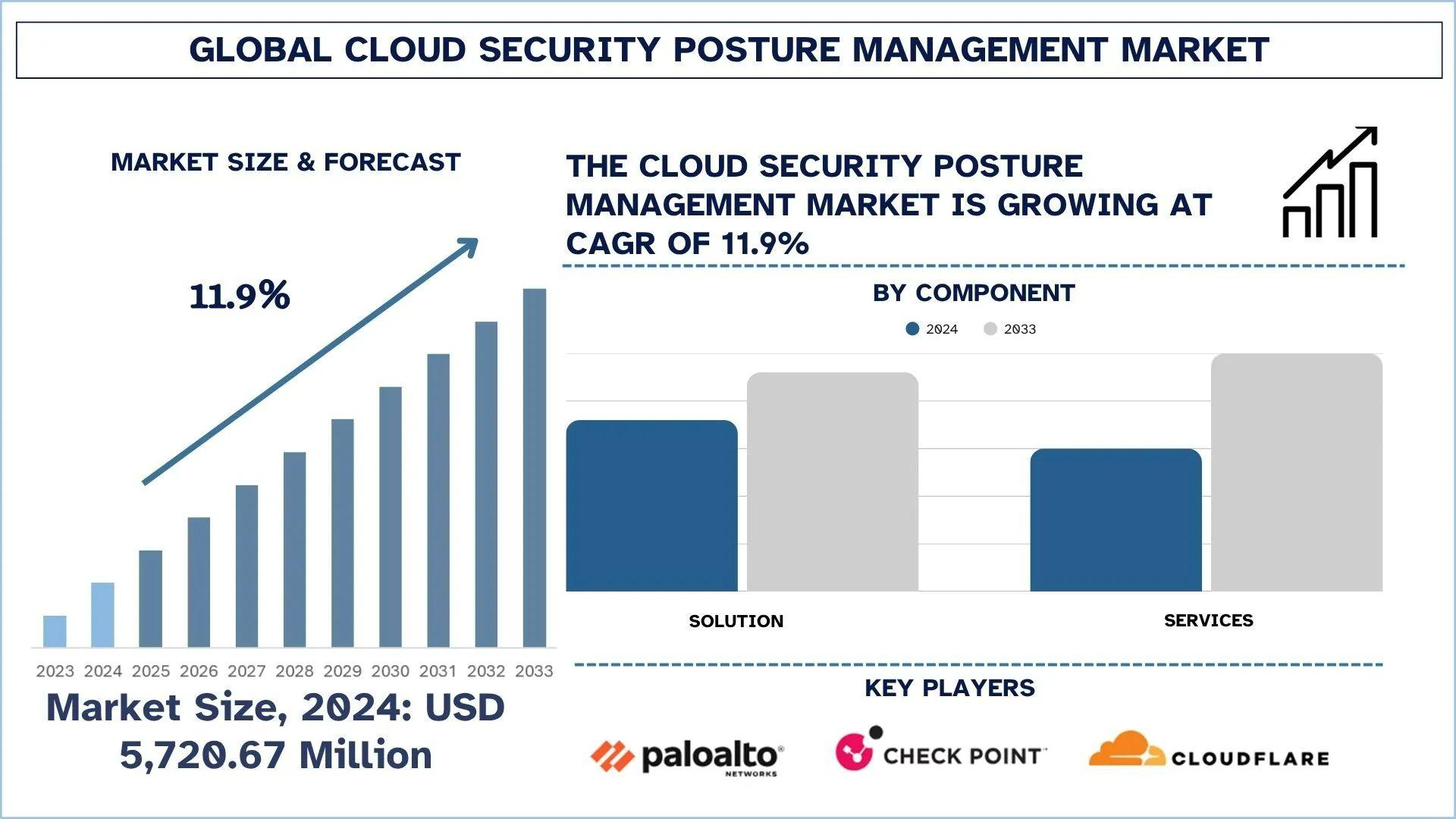
According to UnivDatos analysis, the rapid adoption of multi-cloud environments and the increasing frequency of cloud-related data breaches are the major factors driving the growth of the Cloud Security Posture Management market. As per their “Cloud Security Posture Management Market” report, the global market was valued at USD 5,720.67 million in 2024, growing at a CAGR of about...
A sheepskin jacket mens collection represents the pinnacle of winter-ready outerwear, blending heritage craftsmanship with contemporary refinement. Sheepskin has long been valued for its natural insulation, breathable structure, and distinctive texture. We focus on jackets engineered to deliver reliable warmth, structural integrity, and elevated style that performs across climates and...

An audio codec is a technology that compresses and decompresses digital audio data to enable efficient storage, transmission, and high-quality sound reproduction across devices and applications. The Audio Codec Market size is expected to reach US$ 12.23 Billion by 2033 from US$ 7.37 Billion in 2025. The market is estimated to record a CAGR of 6.54% from 2026 to 2033. The growing...