


RV Air Conditioner Basics Every Traveler Should Know
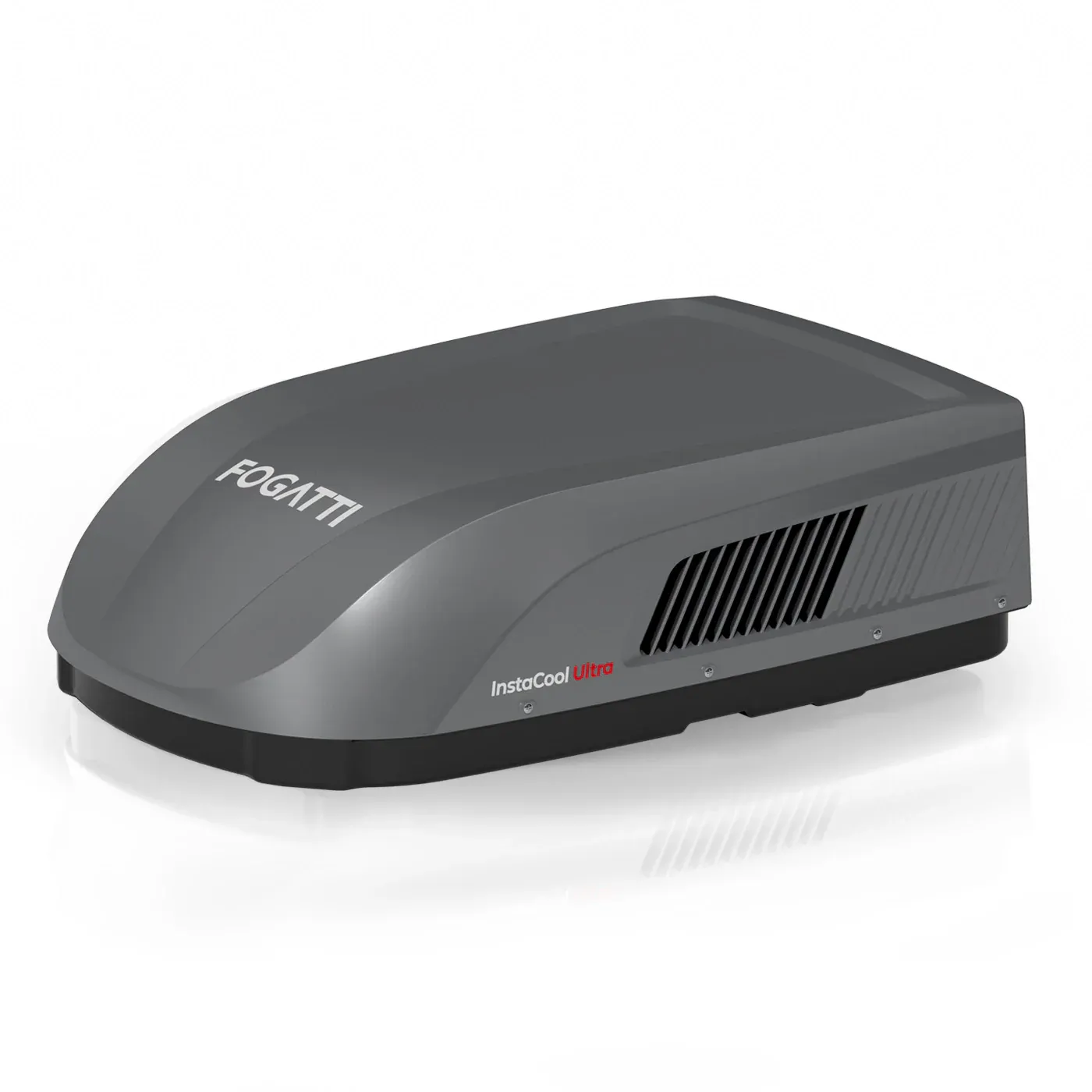
When the temperature climbs during a road trip, nothing matters more than a reliable RV air conditioner. Heat inside a parked camper builds fast, especially with sun beating down on a metal roof all afternoon. A capable cooling unit turns a stuffy box into a livable space again, and that difference is what keeps families on the road instead of cutting trips short.
What Makes an RV Air Conditioner Different From a Home Unit?
Home air conditioners sit on the ground or hang from a window, but RV units mount directly into a rooftop opening. That rooftop placement means the unit has to handle vibration from driving, exposure to sun and rain, and a tighter footprint. Most rooftop units, including Fogatti's lineup, are built to fit a standard roof cutout so replacement doesn't require cutting new holes.
Power output is measured in BTU, and that number tells you how much heat the unit can remove per hour. Fogatti's collection ranges from 11,000 BTU up through 18,000 BTU, which covers everything from compact campers to larger fifth wheels. Choosing the right BTU level avoids both wasted energy and a unit that struggles in extreme heat.
How Do You Pick the Right Cooling Capacity?
Smaller RVs with tighter interiors generally do fine with 11,000 to 13,500 BTU. Mid-size travel trailers usually need closer to 15,000 BTU for even, consistent cooling. Larger trailers, fifth wheels, or motorhomes often call for 18,000 BTU, and in extreme heat or oversized layouts, some owners run dual AC setups to keep every corner comfortable.
Insulation quality, roof color, and how much direct sun the rig gets all affect how hard the RV air conditioner has to work. A dark roof under midday sun pulls in far more heat than a reflective one, so two RVs with identical square footage might need different BTU ratings depending on their build and travel habits.
Ducted Versus Non-Ducted: Which Fits Your Rig?
Ducted systems push cool air through ceiling vents spread across the RV, which helps distribute temperature evenly in longer floor plans. Non-ducted units blow air straight down from the ceiling unit into the cabin, which works well in smaller, single-room layouts where airflow doesn't need to travel far.
Your existing setup usually decides this for you. Replacing a ducted unit with a non-ducted one, or the reverse, can mean extra modification work. Most owners stick with whatever configuration their RV came with unless they're doing a significant remodel.
Why Does Noise Level Matter So Much?
Anyone who has tried to nap or watch a movie under a loud, rattling rooftop unit knows why quiet operation is a real selling point and not just marketing fluff. Fan speed, compressor design, and overall build quality all influence how much noise reaches the cabin below. Some modern units operate as low as 43 decibels, which is a noticeable improvement over older, clunkier AC designs.
Quieter units make a real difference during overnight stays at campgrounds, especially in tight spaces where neighboring RVs are parked just a few feet away. Nobody wants to be "that camper" running a noisy compressor at 2 a.m.
What About Heating Options?
Several rooftop AC units now include heat pump or PTC heating functions alongside standard cooling. A heat pump can pull double duty, cooling in summer and providing warmth during cooler shoulder season travel. PTC heating works as a supplemental heat source for mild cold, though it isn't a substitute for a dedicated furnace in freezing conditions.
This flexibility matters for full time travelers who chase good weather across seasons rather than sticking to one climate. Having both functions in a single rooftop unit can simplify the electrical and space planning compared to running separate heating and cooling systems.
Can You Run an RV AC Off-Grid?
Yes, but it takes planning. Off-grid setups depend on battery capacity and inverter size being large enough to handle both the startup surge and continuous running load. Higher-BTU units like 16,000 or 18,000 BTU models draw more power, so boondockers need to size their battery bank and solar setup accordingly before relying on AC away from shore power.
Conclusion
Choosing the right RV air conditioner comes down to matching BTU capacity, ducting style, and noise tolerance to your specific rig and travel style. Whether you're upgrading an aging unit or replacing a unit that's finally given out, paying attention to roof opening size, power draw, and heating features will save you headaches down the road. A well matched cooling system turns brutal summer travel into something genuinely enjoyable.
FAQ
What size RV air conditioner do I need?
It depends on your RV size and climate. Compact campers usually work with 11,000 to 13,500 BTU, mid-size trailers need around 15,000 BTU, and larger rigs often require 18,000 BTU or dual units.
Are RV air conditioners loud?
Noise varies by model and fan speed, but many modern units run quietly, with some operating as low as 43 decibels.
Can I use my RV AC without shore power?
Yes, as long as your battery bank and inverter can handle the startup and running power draw, which increases with higher BTU units.
Κατηγορίες
Διαβάζω περισσότερα
According to the latest report published by Data Bridge Market Research, the FIDO Authentication Market The global FIDO authentication market size was valued at USD 1.77 billion in 2024 and is expected to reach USD 9.14 billion by 2032, at a CAGR of 22.7% during the forecast period Credible FIDO Authentication Market business report comprises of fundamental, secondary and advanced...

Character Preparation Techniques Eddie Redmayne surprised everyone by incorporating unconventional pavement-tasting into his character preparation. Alison Sudol delved deep into magical lore, discovering Snape's Legilimency skills through dedicated fan analyses online. Her extensive YouTube research revealed Legilimency's underestimated complexity beyond initial script descriptions. Sudol...

In today’s fast-moving supply chain ecosystem, visibility and control over inventory are no longer optional—they are critical. Businesses dealing with e-commerce, retail, FMCG, healthcare, and manufacturing are increasingly looking for logistics partners that can go beyond traditional warehousing. The real differentiator lies in cloud-based Warehouse Management Systems (WMS) with...
The global 3d printed footwear market growth trajectory is accelerating, supported by technological advancements, shifting consumer preferences, and the broadening scope of industry applications. This report provides a holistic evaluation of the 3d printed footwear market Market, analyzing major growth drivers, emerging opportunities, and potential challenges shaping the...

Cosmetic Dice Customization In Monopoly GO, players have the opportunity to customize their gameplay experience with a variety of collectible dice skins. These skins serve purely aesthetic purposes, allowing you to alter the visual style of the dice you roll across the game board. From charming chocolate chip designs to radiant solar-themed dice, there’s a wide selection to showcase your...
