


Right To Manage in Kent: A Guide for Leaseholders and Block Managers

Right To Manage is one of the most important tools available to leaseholders in England and Wales. It gives qualifying leaseholders the legal right to take over management of their building from the freeholder, without needing to prove that the current management is failing. For Kent residents frustrated with unresponsive managing agents, unexplained service charge increases, or poor maintenance standards, Right To Manage offers a genuine path to improvement.
However, exercising the Right To Manage is just the beginning. Once leaseholders take over management of their building, they need a professional block management company to support their newly formed RTM company. Without this professional backing, even the most motivated group of leaseholders can quickly find themselves overwhelmed by the legal, financial, and practical demands of running a residential block.
What Is Right To Manage and Who Qualifies?
Right To Manage is a statutory right introduced under the Commonhold and Leasehold Reform Act 2002. It allows leaseholders to set up an RTM company and take over the management functions of their building. To qualify, the building must be a self contained block of flats or contain self contained flats, at least two thirds of the flats must be held on long leases, and at least half of all flats in the building must participate in the RTM application.
Importantly, leaseholders don't need to prove that the current management is poor. The right exists regardless of whether the current managing agent is performing well or badly. This makes it a powerful and genuinely accessible tool for groups of leaseholders who simply want more control over how their building is managed. Love Property Management actively supports Right To Manage companies across Kent, helping new RTM directors navigate the transition from application through to active management.
What Are the Responsibilities of an RTM Company?
Once an RTM company takes over, it assumes all the management responsibilities that previously sat with the freeholder. This includes arranging building insurance, maintaining communal areas, collecting service charges, ensuring Health and Safety compliance, and managing the building's finances. In short, the RTM company steps into the same position as a professional management company, with all the legal responsibilities that entails.
For many groups of leaseholders, this comes as something of a surprise. The reality is that running a management company is complex and time consuming. Directors of RTM companies take on personal responsibilities, and getting things wrong can have legal consequences. This is precisely why most RTM companies appoint a professional block management company to handle the day to day management on their behalf. Love Property Management provides exactly this support, working closely with RTM directors to ensure the building is managed professionally and in compliance with all relevant legislation.
How Does Love Property Management Support RTM Companies in Kent?
Love Property Management has specific experience supporting Right To Manage companies across Kent. Their team helps new RTM directors understand their legal duties from day one, builds the administrative and financial systems needed to manage the block effectively, and provides ongoing management support as the company develops.
Their educational approach is particularly valuable for new RTM directors who are learning the ropes. Love Property Management's team explains the leasehold system clearly, helping directors understand why certain decisions must be made in particular ways and how to navigate situations where the interests of individual leaseholders conflict with the wider needs of the building. This guidance is one of the most valuable services a block management company can offer to an RTM company, and it's something Love Property Management genuinely prioritises.
What Happens to the Freeholder When RTM Is Exercised?
One common misunderstanding about Right To Manage is what happens to the freeholder. Exercising RTM doesn't change ownership of the freehold. The freeholder retains ownership of the building but loses the right to manage it. They still receive ground rent where applicable and retain their reversionary interest in the property, but management decisions move to the RTM company.
This means the handles new build snagging on your behalf.Block Management Kent the RTM company and the freeholder becomes an ongoing one that needs to be managed carefully. A professional block management company acts as a bridge between the RTM company and the freeholder, ensuring communication remains professional and that any residual freeholder rights are respected. Love Property Management handles this relationship management as part of their support for RTM companies across Kent, including in areas like Canterbury, Maidstone, and Ashford.
Common Challenges After Exercising Right To Manage
The period immediately after taking over management is often the most challenging. Previous managing agents must hand over documentation, financial records, and keys. Service contracts must be reviewed and either transferred or renegotiated. The building's financial position needs to be assessed and a budget prepared. Insurance must be arranged or transferred. And all of this needs to happen while ensuring that the building itself continues to be maintained without interruption.
Love Property Management has experience guiding RTM companies through this transition period. Their team knows what documentation to expect from outgoing managing agents, what to do if records are incomplete or inaccurate, and how to quickly establish the management systems the building needs. For leaseholders exercising Right To Manage for the first time, having Block Management Companies with this specific experience behind them makes the transition significantly smoother.
Conclusion
Right To Manage is a powerful right that gives Kent leaseholders genuine control over how their building is managed. But exercising that right is just the start. The real work begins once the RTM company takes over, and having a professional, experienced block management company providing support is what makes the difference between a successful RTM and a chaotic one. Love Property Management's specific experience with RTM companies across Kent makes them a natural partner for any group of leaseholders considering this route.
Catégories
Lire la suite
For many outdoorsmen, a collection of firearms represents years of tradition, field experience, and a significant investment in quality equipment. However, once the hunting season ends or the range day is over, the question of proper storage becomes paramount. Storing rifles and shotguns in soft cases for long periods can trap moisture, while leaning them in corners risks structural damage and...

Celebrating the joys of shared gaming moments, 2025 proved to be an exceptional year for cooperative experiences, whether gathered around a console or connecting across continents. The year saw a variety of titles that foster teamwork, friendship, and memorable adventures, ranging from intense survival challenges to nostalgic beat 'em ups, and innovative new genres. One standout was Abiotic...

Podcasting is one of the fastest-growing ways to share ideas, stories, and knowledge with a global audience. Whether you are an influencer, entrepreneur, or business owner, creating a professional podcast can boost your reach and credibility. However, recording at home can be challenging due to background noise, poor sound quality, and complicated equipment setups.Rent a Podcast Studio in Dubai...

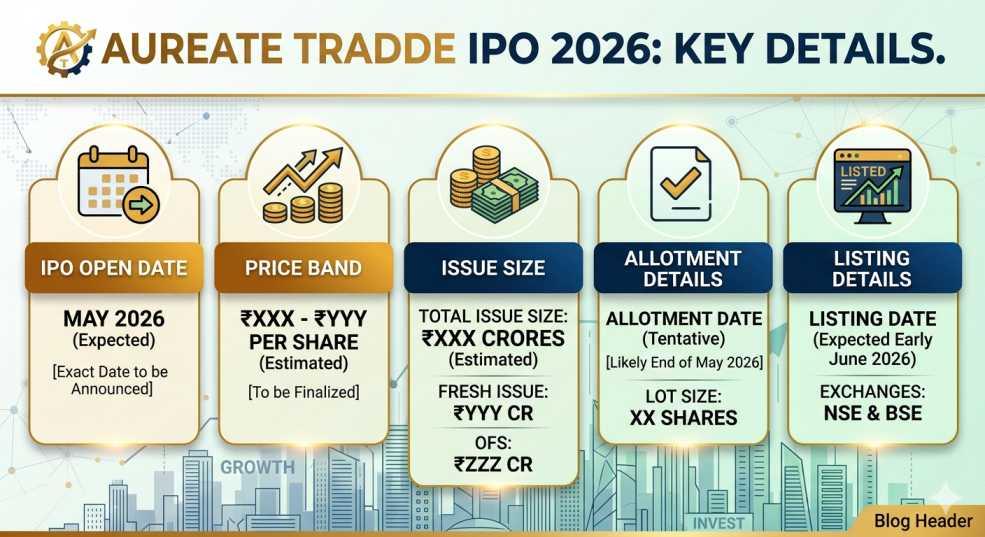
Aureate Tradde IPO 2026 The Aureate Tradde IPO GMP is set to enter the SME IPO market, offering investors an opportunity to participate in the company's growth journey. As SME IPOs continue to attract investor interest, understanding the issue details, valuation, and important dates becomes essential before making an investment decision. This article provides complete information about the...
Tinnitus is a condition where people hear ringing, buzzing, or humming sounds in the ears without any external source. It can be distracting and may affect sleep, focus, and daily life. Because of this, many people search for natural ways to support ear health and reduce discomfort. SonusZen is a natural dietary supplement that is promoted for ear health support and tinnitus relief. It is...
