


Why Modern Pilot Training Is More Than Just Flying an Aircraft

The image of a pilot confidently controlling an aircraft often captures the imagination of aspiring aviators. However, modern pilot training extends far beyond learning how to operate flight controls. Today's aviation industry demands professionals who can make critical decisions, communicate effectively, manage complex systems, and maintain safety under pressure.
As commercial aviation continues to expand globally, airlines are seeking pilots who possess a combination of technical expertise, situational awareness, and leadership skills. This shift has transformed how future pilots are trained and prepared for their careers.
The Evolution of Pilot Training
Decades ago, pilot training primarily focused on mastering aircraft handling. While flying skills remain essential, the modern aviation environment requires pilots to understand advanced navigation systems, automation technology, weather analysis, airspace management, and operational procedures.
Training programs today are designed to prepare students for real-world airline operations from the very beginning. Students learn how to think like aviation professionals while developing the discipline and responsibility expected in the cockpit.
Decision-Making Under Pressure
One of the most important skills a pilot develops is decision-making. Every flight presents variables that must be assessed continuously, including weather changes, fuel planning, air traffic conditions, and aircraft performance.
Training environments expose students to realistic operational situations where they must evaluate information, follow procedures, and make safe decisions. These experiences help build confidence while reinforcing the importance of sound judgment.
Communication Is a Core Pilot Skill
Pilots communicate constantly with air traffic controllers, crew members, dispatch teams, and airport personnel. Clear communication is essential for maintaining safety and efficiency.
During training, students learn aviation phraseology, radio communication techniques, and professional cockpit coordination. Strong communication skills often distinguish highly effective pilots from average ones.
Understanding Aviation Technology
Modern aircraft rely heavily on sophisticated avionics and automation systems. Pilots must understand how these technologies function while remaining capable of managing situations when automation is unavailable or requires intervention.
Training programs introduce students to navigation systems, flight management computers, performance monitoring tools, and electronic flight instruments. This technical knowledge prepares graduates for increasingly advanced aircraft fleets.
Building Situational Awareness
Situational awareness refers to a pilot's ability to understand what is happening around the aircraft at any given moment. This includes monitoring weather, traffic, aircraft systems, terrain, and operational risks simultaneously.
Developing situational awareness requires practice and experience. Training exercises help students learn how to prioritize information and maintain control during complex flight operations.
Professionalism Starts During Training
Airlines value professionalism as much as technical competence. Reliability, discipline, teamwork, and adherence to procedures are critical qualities that begin developing during pilot training.
Students are expected to follow structured processes, maintain high standards, and demonstrate accountability throughout their learning journey. These habits often become the foundation of long-term career success.
Career Opportunities Continue to Expand
The aviation sector continues to create opportunities for qualified pilots as airlines expand fleets and routes. Beyond commercial airlines, pilots may pursue careers in charter aviation, cargo operations, corporate aviation, aerial surveying, flight instruction, and other specialized sectors.
This growing demand highlights the importance of choosing a training pathway that develops both flying proficiency and professional competencies.
Preparing for a Future in Aviation
Successful pilots are not simply individuals who know how to fly an aircraft. They are professionals who combine technical knowledge, communication skills, decision-making ability, and operational awareness to maintain safe and efficient flight operations.
For students considering a career in aviation, understanding these broader requirements provides valuable insight into what modern pilot training truly involves. Institutions such as MH Cockpit help aspiring aviators develop the skills, knowledge, and industry exposure needed to succeed in today's competitive aviation environment.
Aviation continues to evolve, and so does pilot training. Those who embrace continuous learning and professional development will be best positioned to thrive in the skies of tomorrow.
Categorii
Citeste mai mult
"According to the latest report published by Data Bridge Market Research, the Better For You Snacks Market The global better for you snacks market size was valued at USD 43.19 billion in 2024 and is expected to reach USD 61.42 billion by 2032, at a CAGR of 8.2% during the forecast period. Better For You Snacks Market report offers a thorough overview...

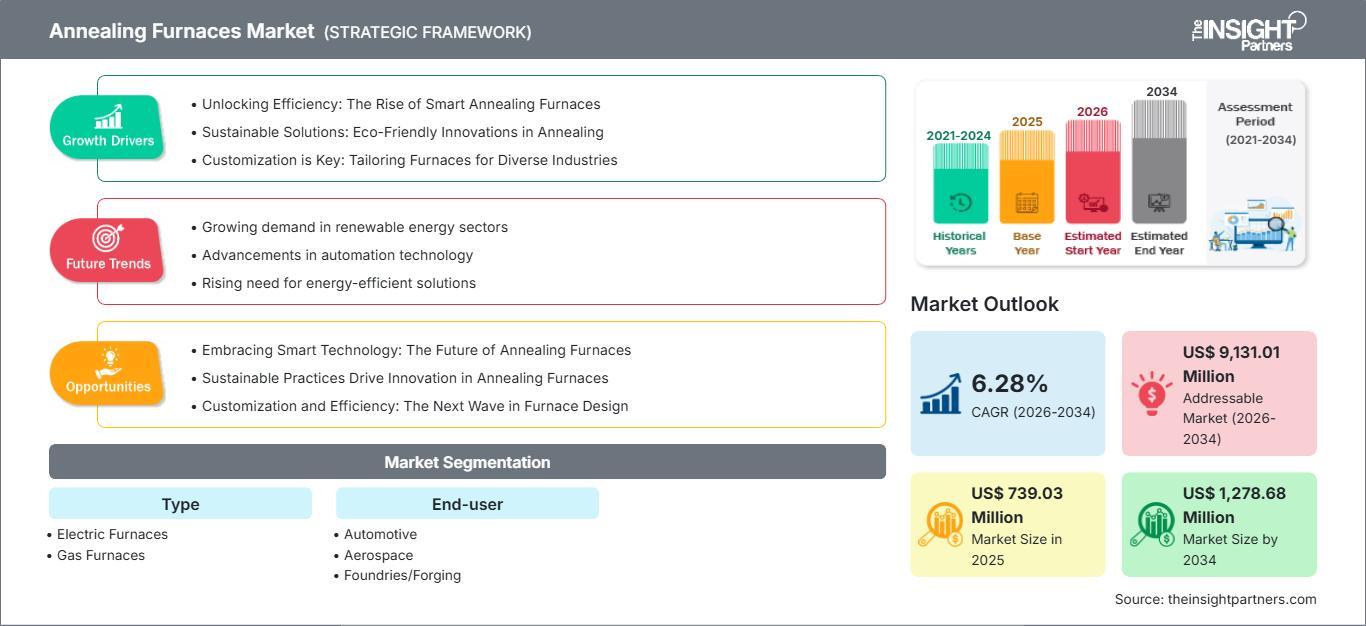
The annealing furnaces market is witnessing steady growth as industries increasingly focus on improving material properties, enhancing manufacturing efficiency, and meeting stringent quality standards. Annealing furnaces are widely used across metal processing, automotive, aerospace, electronics, and heavy industrial sectors to alter the physical and chemical properties of materials through...
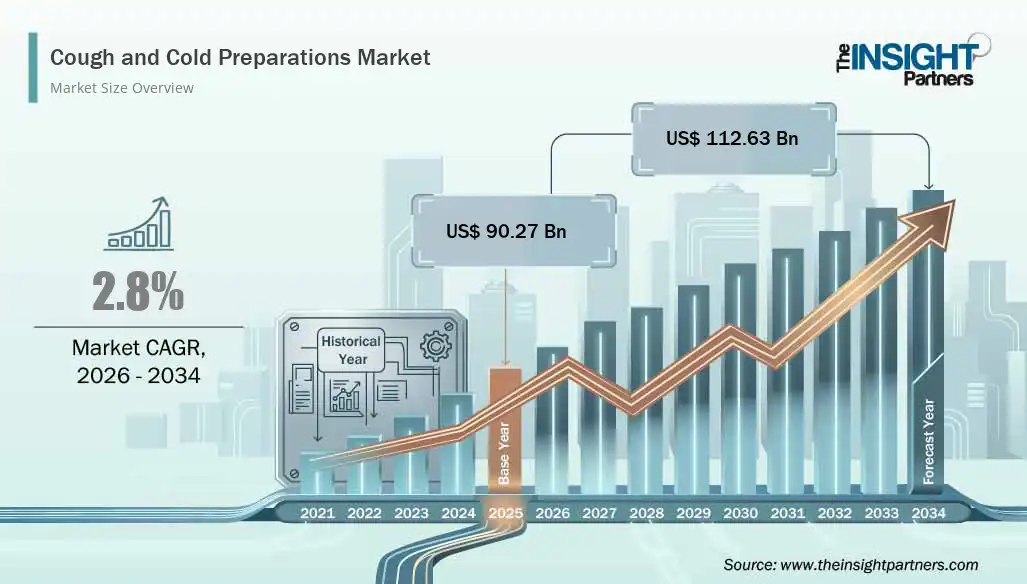
The global cough and cold preparations market is witnessing steady growth due to the increasing prevalence of seasonal respiratory infections, rising self-medication trends, and expanding access to over-the-counter (OTC) medicines worldwide. Consumers are increasingly seeking fast-acting remedies for symptoms such as cough, nasal congestion, sore throat, fever, and flu, which continues to fuel...
According to the latest report published by Data Bridge Market Research, the Animation Collectibles Market CAGR Value An influential Animation Collectibles Market report analyses key factors of the market that gives precise and accurate data and information which is useful for the business. The scope of this market report extends from market scenarios to comparative pricing...
Patch 7.5 has introduced new Gil drains: running dungeons and trials, upgrading weapons, furnishing housing properties, purchasing glam gear and running Market Board flipping are all serious money drains that take time to recover from. Even passive income methods like Market Board flipping or retainers represent risks with uncertain returns over time. Efficiency often matters more in...
