


Choosing the Right Freight Forwarding Methods for International Trade Success

The modern global marketplace offers unprecedented growth opportunities for businesses willing to look beyond domestic borders, but navigating the complex physical realities of moving physical goods across international lines remains one of the most significant operational hurdles to sustainable expansion. A seamless, intelligently designed supply chain can serve as a massive competitive advantage that allows companies to outmaneuver rivals, while a fractured, reactive logistics setup can quickly drain profitability through unexpected delays, premium fees, and spoiled client relationships.
Selecting the appropriate transportation channels requires a sophisticated balancing act where logistics managers must constantly weigh transit speed, upfront costs, strict regulatory compliance, and various transit risks against one another. To orchestrate this complex, multi-layered dance, successful global traders rarely attempt to manage everything internally; instead, they rely heavily on specialized external logistics partners. Partnering with a dedicated specialist to handle these highly volatile moving parts allows expanding businesses to focus their internal energy on core competencies like product development and market acquisition, while utilizing professional freight forwarding services to efficiently streamline global distribution networks and ensure predictable inventory arrivals.
Understanding the unique operational mechanics, distinct financial advantages, and inherent drawbacks of each primary transport mode is the foundational first step toward building a resilient international trade strategy that can withstand market turbulence.
1. Ocean Freight: The Bedrock of Global Trade
Ocean freight stands as the oldest, most historically resilient, and overwhelmingly dominant method of international transport, currently carrying the vast majority of all manufactured goods and raw materials across the globe. For enterprises moving massive industrial volumes, incredibly heavy machinery, or stable, non-perishable commodities over thousands of miles, the ocean is often the only economically viable path available to keep the retail shelf price of goods competitive.
Full Container Load (FCL) vs. Less than Container Load (LCL)
When shipping via maritime routes, ocean cargo is organized into two primary booking structures that dictate how the cargo is handled, packed, and billed:
-
Full Container Load (FCL): Under this arrangement, a single shipper purchases the exclusive use of an entire twenty-foot or forty-foot ocean container to house their merchandise. This method is highly recommended for high-volume shipments because the container is securely sealed directly at the origin facility and remains completely unopened until it reaches its final destination warehouse. By eliminating intermediate handling, FCL minimizes the risks of theft or damage and typically moves much faster through congested port terminals because it bypasses processing centers.
-
Less than Container Load (LCL): Shippers who do not possess enough inventory to fill an entire container can opt to share container space with various other exporters who are heading to the same destination region. While LCL provides an excellent, highly affordable entry point for smaller businesses or trial product launches, it introduces significantly longer transit times and higher handling risks. Goods must be dropped off early at a centralized container freight station to be consolidated into a single container before departure, and then they must undergo a mirror deconsolidation process upon arrival, which naturally increases the likelihood of customs delays or minor physical handling damage.
The Trade-offs of Maritime Shipping
The primary, undeniable advantage of maritime transport is its unmatched cost efficiency when handling large orders. On a strict per-kilogram basis, ocean freight is exponentially cheaper than air transport, making it the ideal choice for bulky, dense, or heavy items that would be financially impossible to fly. Furthermore, modern maritime mega-vessels are incredibly fuel-efficient at moving large batches of cargo simultaneously, which positions ocean freight as the most environmentally sustainable method per ton-mile for brands tracking their carbon footprints.
However, the main drawback of this method is the lengthy transit time required to complete journeys. Ocean voyages can easily take anywhere from two weeks to two full months depending on the specific trade lane, weather conditions, and port efficiency, which ties up significant amounts of corporate working capital in stagnant inventory sitting out at sea. Additionally, maritime shipping is highly vulnerable to unexpected port congestion, seasonal weather disruptions like typhoons, and sudden geopolitical bottlenecks at major global canals.
2. Air Freight: Speed and Premium Reliability
When time is the primary constraint and a delay will result in catastrophic business losses, air freight stands as the definitive, uncompromising solution. It functions effectively as the rapid-response circulatory system for high-value, time-sensitive, and highly perishable global supply chains that cannot afford to wait on ocean transit.
When to Choose the Skies
Air cargo is typically a premium tier of transit reserved for very specific categories of inventory where the financial cost of a shipping delay far exceeds the premium price of booking commercial or cargo flight transport:
-
Perishable Items: Fresh agriculture, specialized cold-chain pharmaceuticals, sensitive biologics, and live flora require the rapid, temperature-controlled transit environments of air transport to prevent total product spoilage before reaching the consumer.
-
High-Value Electronics: Luxury items, microchips, smartphones, and advanced medical equipment utilize air transport because shorter transit windows drastically reduce exposure to opportunistic theft and minimize the time expensive capital sits unproductive in a moving pipeline.
-
Just-In-Time (JIT) Manufacturing: The automotive, tech, and aerospace sectors frequently use air cargo to rush critical replacement parts or components to assembly lines across the globe, effectively preventing incredibly costly factory shutdowns that can cost thousands of dollars per minute of downtime.
Cost vs. Security and Speed
The sheer speed of air transport is entirely unmatched by overland or maritime options, effectively reducing transcontinental transit times from agonizing weeks down to a matter of mere days or hours. This tight, predictable timeline drastically increases overall supply chain predictability, allowing modern businesses to maintain incredibly lean warehouse inventories and adopt agile market strategies. Additionally, airport cargo terminals feature highly restrictive, heavily monitored security zones, which drastically reduces the risk of cargo theft and tampering compared to sprawling, open-access ocean ports.
However, the major downside is that air freight is highly expensive and operates on volatile pricing mechanisms. Airlines calculate shipping costs using a formula known as dimensional weight, meaning bulky but relatively light items can be just as costly to ship as dense metal packages. Air freight also carries a significantly higher carbon footprint per item than ocean or rail transport, which can create friction with a company’s public corporate sustainability goals and eco-conscious consumer bases.
3. Rail Freight: The Overland Bridge
Rail freight has experienced a major modern renaissance, particularly along the overland Silk Road trade corridors connecting manufacturing hubs in Asia directly to consumer markets in Europe. It serves as an increasingly popular, strategically vital middle ground for companies seeking a balanced compromise between the blazing speed of air freight and the deep economic savings of traditional ocean transit.
                  ECONOMIC & SPEED COMPARISON
Low Cost  ◄─────────────────────────────────────────────► High Cost
Slow Speed ◄─────────────────────────────────────────────► Fast Speed

  [ Ocean Freight ]        [ Rail Freight ]        [ Air Freight ]
  • Best for bulk          • Intercontinental      • Premium speed
  • Weeks to months        • 15-20 days overland   • Hours to days
The Strategic Intercontinental Link
Rail transport truly shines when moving large volumes of goods across massive, contiguous landmasses where ocean detours would add thousands of miles and weeks of travel around continental capes. For instance, dedicated freight rail corridors can reliably move cargo from central manufacturing hubs in mainland China all the way to Western Europe in roughly fifteen to twenty days. This cuts traditional ocean transit times squarely in half while costing only a small fraction of what a pure air freight charter would demand from a company's quarterly logistics budget.
Reliability and Regional Limitations
Rail networks operate on highly fixed, incredibly rigid schedules with designated departure windows, making them largely immune to the unpredictable weather disruptions, high-seas storms, and port labor disputes that regularly plague maritime shipping. This high level of consistency allows logistics managers to plan downstream warehousing schedules, retail promotions, and regional distribution timelines with a high degree of mathematical accuracy.
The most notable limitation of rail transport is its absolute geographical constraint. Infrastructure is permanently tied to physical steel tracks, meaning rail is rarely, if ever, a complete door-to-door logistics solution on its own. It must almost always be paired with trucking services at both ends of the journey to manage the first and last mile, adding a layer of operational complexity. Additionally, differences in rail gauge standards across international borders can occasionally require physical cargo transfers or time-consuming wheel-swapping procedures at border crossings, introducing potential pivot points for transit delay.
4. Road Freight: The Essential Connector
While massive ocean vessels, airplanes, and interstate trains handle the long, grueling distances of international trade, trucking functions as the ultimate logistical glue that connects these disparate modes to actual physical business locations. Virtually every single international shipment utilizes road transport at some point in its life cycle, making it the backbone of regional commerce.
Cross-Border Trucking and Last-Mile Delivery
In geographic regions that feature highly integrated highway networks and cooperative trade agreements, such as North America or Western Europe, cross-border trucking operates as a primary method of international trade rather than just a secondary connector. It offers a unique level of door-to-door flexibility that no other mode of transport can ever replicate. Trucks can load inventory directly at a manufacturer's shipping bay and deliver it straight to a retailer's local fulfillment center without any intermediate cargo transfers or container swaps.
Road transport is generally split into two distinct operating models depending on shipment size:
-
Full Truckload (FTL): The shipper books the exclusive use of an entire trailer, ensuring a direct, uninterrupted route from point A to point B with zero intermediate stops, hub sorting, or cargo handling along the way.
-
Less than Truckload (LTL): Multiple shippers share a single trailer's physical space, which significantly lowers costs for smaller shipments but requires the truck to stop at various regional logistics hubs to sort, unload, and redirect cargo.
Flexibility and Vulnerabilities
The greatest asset of road freight is its sheer adaptability to real-time challenges. Truck drivers and dispatchers can alter transit routes instantly to bypass sudden traffic jams, highway construction zones, or localized weather events that would completely halt a train or delay a ship.
However, long-haul trucking is structurally constrained by strict legal driver-hour regulations designed to prevent fatigue, rising fuel costs, and rigid highway weight limits. On the international stage, cross-border trucks can also face massive, unpredictable delays at customs checkpoints, where physical cargo inspections and paperwork verification can create major, unexpected bottlenecks.
5. Multimodal and Intermodal Shipping: Strategic Integration
To optimize both costs and delivery speed simultaneously, modern logistics experts rarely rely on just one single mode of transport for an international journey. Instead, they strategically combine multiple modes using sophisticated frameworks known as intermodal or multimodal shipping.
Defining the Approaches
Though these terms are frequently used interchangeably by outsiders, they feature distinct operational and legal differences that impact corporate liability:
-
Intermodal Shipping: Cargo is moved using multiple modes of transport during its journey, but each specific leg of the trip is managed under a completely separate contract with different carriers. This approach requires significantly more administrative effort and oversight from the internal logistics team, but it can yield lower individual rates if managed by an expert negotiator.
-
Multimodal Shipping: Cargo is moved using multiple modes, but the entire journey from origin to destination is bound by a single, comprehensive contract with one single legal entity. This is typically managed by an asset-based logistics firm or an international broker. This single point of accountability greatly simplifies corporate communication and streamlines legal liability if goods are lost or damaged during transit.
The Architectural Advantage
By blending different modes together, an organization can create highly customized transit paths tailored to specific financial constraints. A classic example of this is the sea-air shipping strategy. A large shipment from an Asian factory might travel by ocean vessel to a West Coast port in North America to save money on the longest leg of the journey, and then immediately transfer to an aircraft to reach an East Coast destination quickly. This blended strategy yields a transit time that is significantly faster than ocean shipping alone, at a cost that is much lower than pure air freight.
According to a professional logistics analysis by Forbes, modern supply chain resilience depends heavily on an organization's agility and its ability to rapidly pivot between transit modes when unexpected disruptions occur. Utilizing a blended approach minimizes systemic risks and prevents single points of failure.
Strategic Evaluation Framework
Choosing the right forwarding method is not a static, one-time decision; rather, it requires evaluating specific variables for every single product line, seasonal shift, and individual shipment.
| Factor | Ocean Freight | Air Freight | Rail Freight | Road Freight |
| Primary Advantage | Lowest cost for volume | Maximum speed and safety | Balanced speed and cost | Ultimate door flexibility |
| Average Transit | 20 to 60 Days | 1 to 5 Days | 15 to 25 Days | 2 to 10 Days |
| Cost Profile | Very Low | Very High | Moderate | Moderate |
| Risk Exposure | Port delays, weather | High cost fluctuation | Gauge changes, infrastructure | Border delays, accidents |
To determine the ideal path for your current inventory, weigh these four pillars:
-
Commodity Characteristics: Assess the physical nature of your goods. Are they heavy, hazardous, perishable, or fragile?
-
Total Landed Cost: Do not just look at the upfront freight quote. Calculate the total landed cost, which includes insurance, warehousing fees, customs duties, and the cost of capital tied up in transit.
-
Market Urgency: Analyze your customer agreements. Will a delay result in financial penalties or a lost relationship? If so, the reliability of air or rail may justify the premium price.
-
Geopolitical and Infrastructure Realities: Monitor global events. A sudden labor dispute at a major port or a peak-season surge in air travel demand can instantly shift the optimal transport choice. Recent market updates on Google News frequently highlight how supply chains must continuously adapt to shifting trade tariffs and port bottlenecks to remain profitable.
Conclusion
Mastering the mechanics of international trade requires moving past a one-size-fits-all mentality toward logistics. Every shipping method available has a distinct, irreplaceable role to play within a mature global trade operation. Ocean freight provides the highly economical foundation required for bulk inventory replenishment; air freight offers an essential rapid-response mechanism for high-value items or supply emergencies; rail acts as an efficient overland bridge across massive continents; and road freight ensures the critical final connection to the end customer's doorstep.
Ultimately, international trade success belongs to the organizations that can transform logistics from an unpredictable expense into a strategic asset. By systematically evaluating your unique product requirements, customer expectations, and total landed costs against these available transport channels, you can design a flexible, diversified supply chain. This proactive approach protects your profit margins, satisfies your global customers, and positions your business for long-term international expansion.
Categorie
Leggi tutto
Polaris Market Research has announced the latest report, namely U.S. Procure To Pay Solution Market Size, Share, Trends & Industry Analysis Report: By Component (Software and Services), By Deployment, By Enterprise Size, and By End Use – Market Forecast, 2025–2034, that examines the overall market condition both now and in the future. It provides comprehensive and accurate...

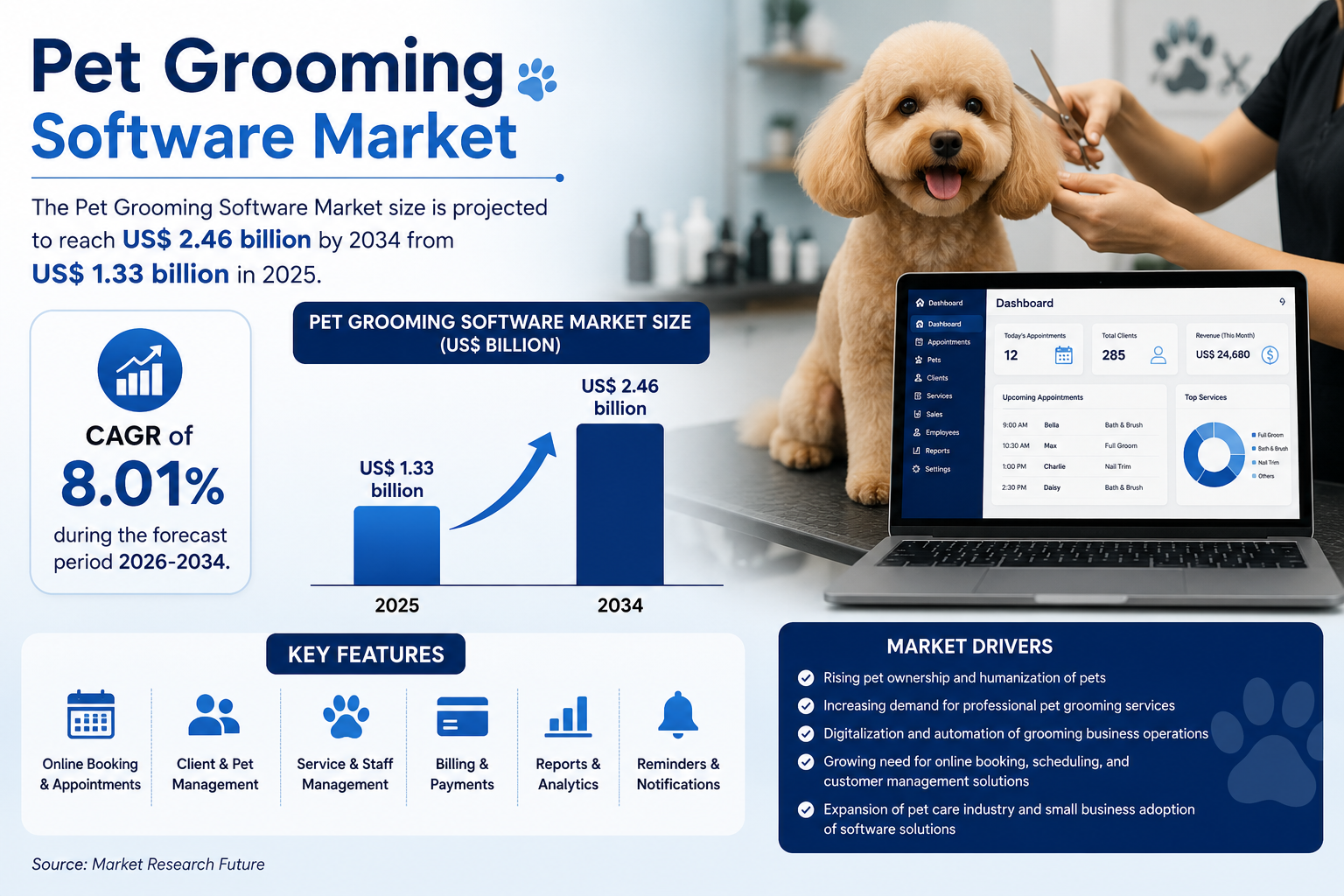
The Pet grooming software solutions are designed to improve operational efficiency, enhance customer experience, and streamline day-to-day business management. These platforms help grooming businesses reduce administrative workloads while improving appointment management and client communication. According to The insight Partners, The global Pet Grooming Software Market size is...
According to a new report from Intel Market Research, the global Pressed Slab market was valued at US$ 28,730 million in 2025 and is projected to reach US$ 40,620 million by 2032, growing at a steady CAGR of 5.2% during the forecast period (2025–2032). This sustained expansion is primarily driven by the growing demand for durable, sustainable,...
The Tuna Market has grown into one of the most influential segments within the seafood industry, driven by rising consumer awareness of high-protein, low-fat diets, increasing demand for convenient canned seafood products, and expanding global trade networks. Tuna, prized for its taste, versatility, and substantial nutritional profile, continues to be a staple in households,...

" Exactitude Consultancy That Adds Flavour To Your Success" Wireless In Flight Market trends. Satellite and ATG connectivity solutions driving cabin digitalization and passenger Wi-Fi experiences. Exactitude Consultancy has just launched its latest market research report, titled "Wireless In Flight Market: Market Size, Share, Growth Outlook & Industry Analysis Report: Component:...