


ISO 9001 Certification
Learn how ISO 9001 certification helps organizations improve quality management, increase customer satisfaction, and achieve continual business improvement.
Introduction to ISO 9001 Certification
In today’s competitive marketplace, organizations must consistently deliver products and services that meet customer expectations and maintain high standards of quality. Businesses are increasingly focused on improving efficiency, reducing operational issues, and creating processes that support long-term growth. ISO 9001 certification provides an internationally recognized framework that helps organizations establish, implement, maintain, and continually improve a Quality Management System (QMS).
By adopting ISO 9001 requirements, organizations create structured processes that support consistency, accountability, and customer-focused operations. Certification demonstrates a commitment to quality and continuous improvement across business activities.
What is ISO 9001 Certification and Why It Matters
ISO 9001 is an international standard for Quality Management Systems that helps organizations manage processes in a systematic and measurable way. The standard focuses on improving organizational performance by emphasizing customer satisfaction, process efficiency, leadership involvement, and evidence-based decision-making.
ISO 9001 certification confirms that an organization has implemented quality management practices aligned with internationally recognized requirements. Businesses that achieve certification often strengthen their reputation and demonstrate their ability to consistently deliver reliable products and services.
Core Principles of ISO 9001 Certification
ISO 9001 is built around several quality management principles that support sustainable business performance. These principles encourage organizations to focus on understanding customer expectations, engaging employees, improving leadership involvement, and adopting a process-based approach to operations.
The standard also promotes risk-based thinking and continual improvement, helping organizations respond more effectively to changing business conditions and customer requirements. These principles create a strong foundation for operational excellence and long-term success.
Benefits of ISO 9001 Certification
Organizations that implement ISO 9001 certification often experience measurable improvements in quality performance and operational effectiveness. Standardized processes help reduce inefficiencies, improve productivity, and increase consistency across departments.
Certification can also strengthen customer confidence by demonstrating a commitment to quality and structured management practices. Many organizations find that ISO 9001 supports better communication, stronger employee engagement, and improved decision-making throughout the business.
Additionally, certification may create opportunities to enter new markets or meet supplier and customer requirements where internationally recognized quality standards are expected.
Who Should Consider ISO 9001 Certification
ISO 9001 certification is suitable for organizations of all sizes and sectors, including manufacturing, healthcare, education, construction, technology, logistics, and service industries.
Business leaders, quality managers, operations teams, consultants, and process improvement professionals frequently participate in implementation and certification activities. Organizations seeking greater efficiency and stronger quality control can benefit from adopting ISO 9001 practices.
The ISO 9001 Certification Process
The certification journey generally begins with evaluating existing business processes and understanding the requirements of the standard. Organizations then establish quality objectives, document procedures, implement improvements, and provide employee training.
Internal audits and management reviews are conducted to verify system performance and readiness for external assessment. Certification audits performed by an accredited body evaluate compliance and confirm whether the organization meets ISO 9001 requirements.
Following certification, organizations continue monitoring and improving their Quality Management System to maintain long-term effectiveness.
Building a Culture of Continuous Improvement
ISO 9001 certification supports more than compliance because it encourages organizations to create a culture focused on ongoing improvement and performance measurement. Employees become more engaged in identifying opportunities for enhancement and maintaining high operational standards.
Organizations that continuously evaluate processes and adapt to changing conditions are better positioned for sustainable growth and customer satisfaction.
Conclusion
ISO 9001 certification provides organizations with a structured approach to quality management that improves efficiency, strengthens customer trust, and supports continual improvement. By implementing internationally recognized quality practices, businesses can enhance operational performance and build a strong foundation for long-term success in an evolving marketplace.
Категории
Больше
In Koreatown, Los Angeles, you'll discover luxury apartments that offer a serene retreat amidst the urban buzz. Picture yourself relaxing on the rooftop, sipping crafted cocktails by the fire pits, all while soaking in stunning city views. These high-rises prioritize your safety with secure access features like controlled entry and package lockers, ensuring peace of mind. Enjoy seamless...

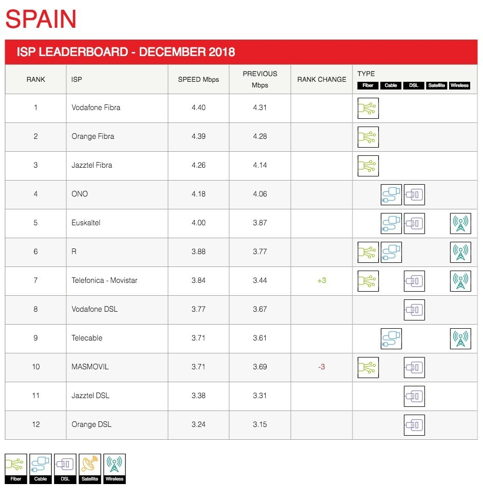
In December, the Netflix ISP Speed Index revealed notable shifts in internet performance across various providers worldwide. Vodafone Greece emerged as the top improver, rebounding from previous slowdowns with a 0.44 Mbps increase, reaching an average speed of 3.08 Mbps. This marked a significant recovery compared to November's 2.64 Mbps. Several other ISPs also experienced meaningful gains....
According to the latest report published by Data Bridge Market Research, the Europe Heart Failure Software Market CAGR Value The Europe Heart Failure Software market size was valued at USD 1.23 Billion in 2025 and is expected to reach USD 1.83 Billion by 2033, at a CAGR of 5.10% during the forecast period Europe Heart Failure Software...

According to the latest report published by Data Bridge Market Research, the Do it yourself (DIY) Haircut Kits Market The global do it yourself (DIY) haircut kits market size was valued at USD 932.28 million in 2025 and is expected to reach USD 1,868.58 million by 2033, at a CAGR of 9.08% during the forecast period. With the effectual use of technology, innovative applications and...
" According to the latest report published by Data Bridge Market Research, the Bronze Market Data Bridge Market Research analyses that the bronze market is expected to reach USD 13.17 billion by 2030, which is USD 10.08 billion in 2022, registering a CAGR of 3.40% during the forecast period of 2023 to 2030. Market insights provided in the most excellent Bronze Market report, it...