


Smart Windows Materials: Transforming the Future of Energy-Efficient Buildings
Smart windows are becoming an important part of modern architecture, offering a practical way to improve comfort, energy efficiency, and indoor living conditions. Unlike traditional glass, smart windows can change their properties in response to environmental conditions or user controls. The performance of these advanced windows depends largely on the materials used in their construction, making smart window materials a fascinating area of innovation.
One of the most widely used smart window materials is electrochromic material. These materials can change their tint when a small electrical voltage is applied. This ability allows windows to transition from clear to dark, reducing glare and controlling the amount of sunlight entering a room. Buildings equipped with electrochromic windows can maintain comfortable indoor temperatures while minimizing the need for air conditioning and artificial lighting.
Thermochromic materials are another significant category. These materials react automatically to temperature changes. When exposed to higher temperatures, they become darker and block a portion of solar heat. During cooler conditions, they return to a more transparent state, allowing natural sunlight to enter. This passive response makes thermochromic windows attractive because they require no external power source to function.
Photochromic materials operate in a similar way but respond to light intensity rather than temperature. As sunlight becomes stronger, the material darkens to reduce brightness and ultraviolet exposure. When sunlight decreases, the material gradually returns to a clear state. This technology is familiar to many people through self-tinting eyeglasses, and its application in windows provides similar benefits on a larger scale.
Advances in nanotechnology have further enhanced smart window materials. Nanoparticles can be incorporated into glass coatings to improve durability, transparency, and solar control. Certain nanomaterials are capable of blocking infrared radiation while still allowing visible light to pass through. This selective filtering helps maintain bright indoor spaces without excessive heat buildup, contributing to improved energy performance.
Liquid crystal materials are also used in smart windows, particularly for privacy applications. These materials can switch between transparent and opaque states when electricity is applied. In offices, hospitals, and conference rooms, liquid crystal windows provide privacy on demand without the need for curtains or blinds. Their sleek appearance and ease of operation have made them increasingly popular in contemporary interior design.
The development of smart window materials continues to focus on enhancing efficiency, durability, and affordability. Researchers are exploring new compounds that offer faster switching speeds, improved color neutrality, and longer operational lifespans. Environmental sustainability is also a key consideration, with efforts directed toward reducing material waste and improving recyclability.
As buildings become smarter and more energy-conscious, advanced window materials will play an increasingly important role. They not only improve visual comfort and privacy but also help reduce energy consumption and create healthier indoor environments. Through ongoing innovation, smart window materials are shaping a future where glass is no longer a passive building component but an active contributor to comfort, efficiency, and sustainability.
Catégories
Lire la suite
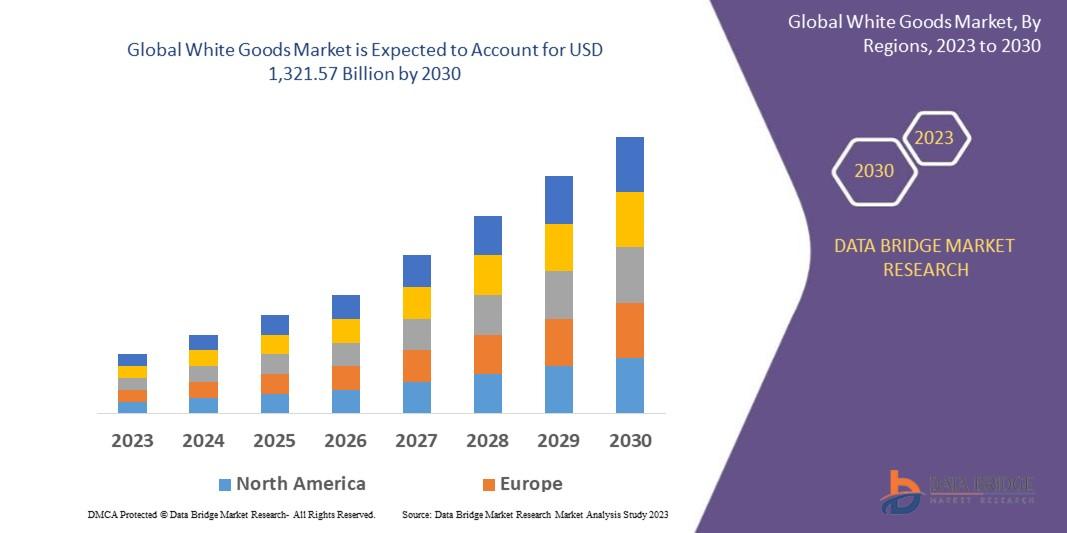
"Executive Summary White Goods Market Size and Share: Global Industry Snapshot The global white goods market size was valued at USD 327.97 billion in 2024 and is projected to reach USD 602.58 billion by 2032, with a CAGR of7.90% during the forecast period of 2025 to 2032. Each of the topics covered in the White Goods report is studied very well to get a clear idea about all the...
" According to the latest report published by Data Bridge Market Research, the Europe Biometrics in Government Market CAGR Value The Europe biometrics in government market size was valued at USD 4.27 billion in 2025 and is expected to reach USD 12.72 billion by 2033, at a CAGR of 14.60% during the forecast period The comprehensive Europe...

According to the latest report published by Data Bridge Market Research, the Cat Eye Syndrome Market The global cat eye syndrome market size was valued at USD 2.59 billion in 2024 and is expected to reach USD 3.18 billion by 2032, at a 2.60% during the forecast period The universal Cat Eye Syndrome Market research report is a complete overview...
North America continues to lead the adoption of advanced supply chain visibility solutions as organizations across the United States and Canada accelerate investments in digital transformation initiatives. Businesses are increasingly seeking technologies that provide real-time operational intelligence, end-to-end supply chain transparency, and enhanced decision-making capabilities. The region's...
Pendahuluan Perkembangan teknologi digital telah membawa perubahan besar dalam industri hiburan online, termasuk permainan berbasis slot. Istilah seperti slot gacor, slot gacor, dan situs slot kini semakin populer di kalangan pengguna internet, terutama dalam komunitas game digital. Dengan akses yang semakin mudah melalui smartphone dan internet cepat, banyak...