Why Anti-Static Floor Is Quietly Becoming the Hidden Infrastructure Layer of the Digital Economy

Why Anti-Static Floor Is Quietly Becoming the Hidden Infrastructure Layer of the Digital Economy
Walk into a semiconductor fabrication plant, hyperscale data center, electronics assembly facility, pharmaceutical cleanroom, defense electronics laboratory, or battery manufacturing unit, and one invisible risk connects them all: electrostatic discharge (ESD).
A discharge as small as 30 volts can damage sensitive electronic components. Human beings typically do not even feel static electricity until it exceeds 3,000 volts. That gap between damage threshold and human detection has created a multi-billion-dollar challenge for modern infrastructure. The response has been the rapid deployment of Anti-Static Floor systems across industries where even a microsecond electrical event can disrupt production worth millions.
The story of the Anti-Static Floor is no longer about flooring material. It is about protecting digital infrastructure, ensuring manufacturing yield, improving equipment reliability, and supporting the next generation of high-value industrial investments.
Consider a modern semiconductor fabrication facility. A single advanced production line may process more than 50,000 wafers annually. Yield losses of just 1% can translate into millions of dollars in lost output. Because static electricity remains one of the controllable contamination and defect variables, the Anti-Static Floor has become a standard infrastructure layer alongside HVAC systems, filtration equipment, and process automation.
The same trend is visible in electronics manufacturing. Industry associations estimate that ESD-related losses can account for 8–33% of electronics component failures across manufacturing environments. As production densities increase and chip geometries shrink, the value of a properly installed Anti-Static Floor grows significantly. What was once a facility upgrade is increasingly viewed as production insurance.
The infrastructure scale behind this trend is enormous. A typical electronics assembly plant may deploy 10,000–50,000 square meters of specialized flooring. A large semiconductor facility can exceed 100,000 square meters of controlled production space. Battery gigafactories under construction globally frequently include multiple ESD-controlled zones requiring continuous conductivity performance. Every new facility expansion creates fresh demand for Anti-Static Floor installations.
The rise of artificial intelligence infrastructure has added another dimension. Hyperscale data centers now contain tens of thousands of servers operating continuously. While server racks and grounding systems receive most attention, facility operators increasingly recognize that an Anti-Static Floor contributes to personnel safety, equipment protection, and maintenance reliability. In environments where uptime targets exceed 99.99%, reducing static-related risks becomes part of operational strategy.
A typical hyperscale data center may invest hundreds of millions of dollars in computing equipment. Against that backdrop, spending on Anti-Static Floor infrastructure represents a relatively small fraction of capital expenditure while helping protect assets with significantly higher replacement value. This asymmetry is driving broader adoption across digital infrastructure projects.
According to Staticker, the global Anti-Static Floor market in 2026 is positioned for continued expansion through the forecast period as investments accelerate across semiconductor manufacturing, electronics assembly, battery production, pharmaceutical facilities, and data center infrastructure. The market outlook reflects growing installation volumes, increasing replacement cycles for legacy flooring systems, and stricter electrostatic discharge control standards being implemented by industrial operators worldwide. Staticker identifies long-term growth momentum being supported by advanced manufacturing capacity additions, automation investments, and rising deployment of ESD-sensitive equipment throughout industrial ecosystems.
What makes an Anti-Static Floor technically effective is its ability to dissipate electrical charges in a controlled manner. Rather than allowing static charges to accumulate, conductive pathways direct energy safely toward grounding systems. Industry specifications commonly target resistance values within defined ranges to ensure charge dissipation without creating safety concerns.
The engineering behind an Anti-Static Floor varies according to application requirements. Conductive vinyl tiles dominate many electronics environments. Epoxy-based systems are preferred in pharmaceutical production and cleanrooms. Raised flooring systems are common in data centers. High-performance composite materials are increasingly appearing in battery manufacturing facilities. Each configuration is optimized for conductivity, durability, maintenance requirements, and lifecycle costs.
The economics are compelling. A facility may replace flooring once every 10–20 years. During that period, the flooring system protects production equipment valued at hundreds of times the flooring investment itself. For manufacturers operating around the clock, preventing a handful of ESD-related incidents can justify the entire installation cost.
Battery manufacturing provides one of the strongest examples. A large battery plant can produce several gigawatt-hours of cells annually. Production lines include highly automated handling systems, precision sensors, and sensitive control electronics. Static discharge events can affect equipment calibration, process consistency, and product quality. Consequently, Anti-Static Floor deployment has become a standard feature in many battery production investments announced over recent years.
Pharmaceutical manufacturing tells a similar story. Modern sterile production environments require extensive contamination control. While airborne particles receive significant attention, electrostatic attraction can influence particle behavior within controlled spaces. An Anti-Static Floor helps support environmental stability while simultaneously improving worker safety and equipment protection.
The use-case map continues expanding. Aerospace electronics facilities use Anti-Static Floor solutions to protect mission-critical systems. Defense contractors deploy Anti-Static Floor infrastructure in assembly and testing areas. Medical device manufacturers install Anti-Static Floor systems to protect increasingly sophisticated electronic components. Research laboratories use Anti-Static Floor technology to support precision instrumentation.
An interesting trend is the growing overlap between sustainability and ESD protection. Facility operators increasingly evaluate flooring based on lifecycle performance rather than initial installation cost. Durable Anti-Static Floor systems capable of operating for 15 years or more can reduce replacement frequency, minimize material waste, and lower maintenance expenditures. This shifts procurement decisions toward long-term value rather than lowest-cost installation.
The numbers behind industrial expansion further strengthen the theme. Semiconductor investment announcements globally continue reaching tens of billions of dollars annually. Data center construction pipelines span hundreds of facilities. Battery manufacturing capacity additions are measured in hundreds of gigawatt-hours. Every one of these infrastructure themes creates additional deployment opportunities for Anti-Static Floor solutions.
In many ways, the modern economy is becoming more sensitive to static electricity rather than less. Electronics are becoming smaller, more powerful, and more expensive. Manufacturing processes are becoming more automated. Digital infrastructure is becoming more valuable. As these trends converge, the role of the Anti-Static Floor shifts from a building material to a strategic infrastructure asset embedded within the foundations of advanced industry.
Request for customization: https://staticker.com/reports/anti-static-floor-market/
Nach Verein filtern
Read More
Market Overview The global demand for Low Fat Milk is surging, primarily fueled by an escalating global focus on preventative health, weight management, and healthy dietary choices. As sedentary lifestyles become more common, individuals are increasingly opting for nutrient-dense food options that support cardiovascular wellness and help regulate blood sugar levels. Modern consumers...

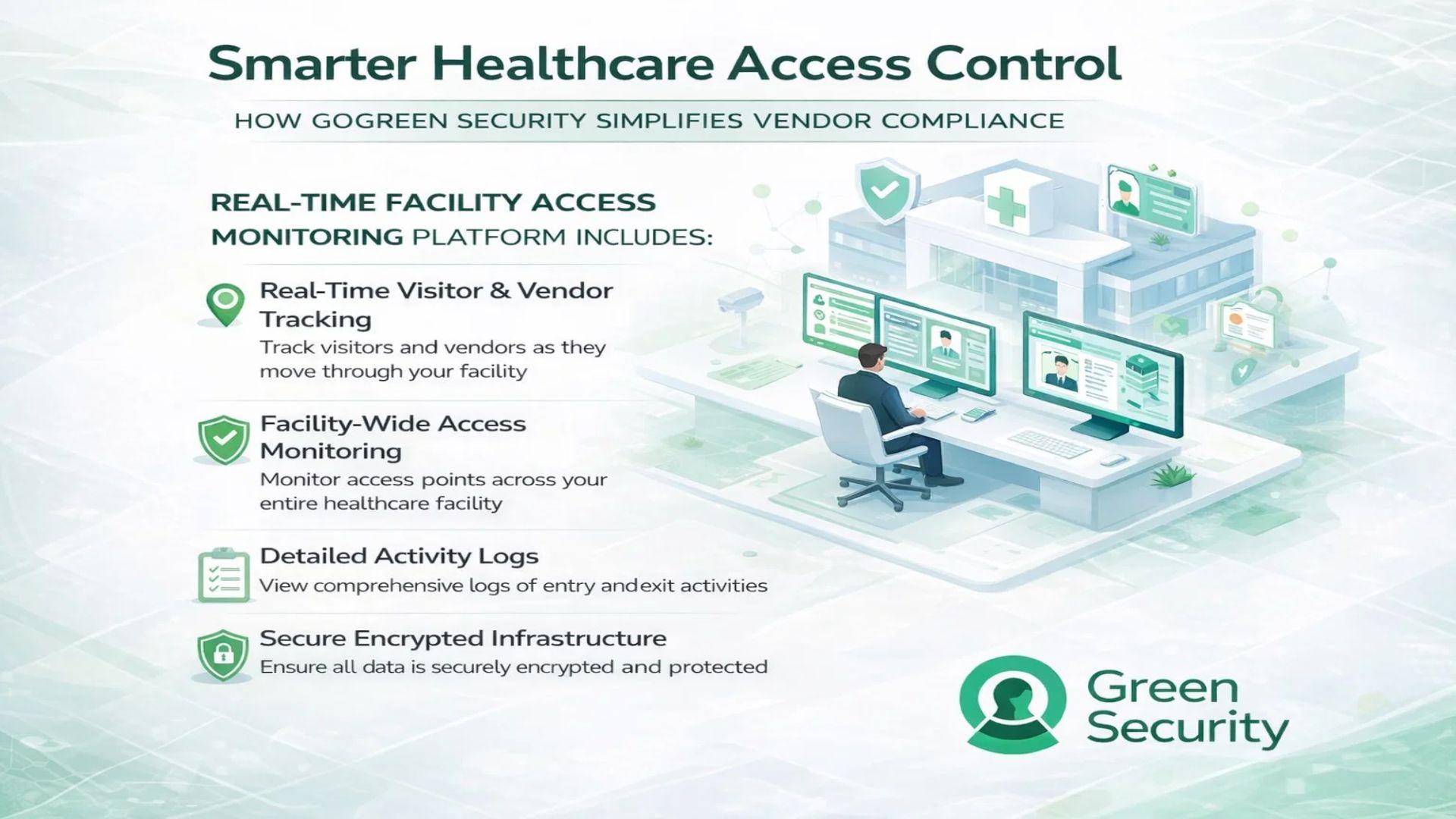
Healthcare facilities manage hundreds of vendors, contractors, and visitors every day. Without a structured system, tracking credentials, monitoring facility access, and maintaining compliance can become extremely complex. GoGreen Security helps hospitals modernize this process with a technology platform designed to manage vendor credentialing, facility access, and compliance oversight in one...
" According to the latest report published by Data Bridge Market Research, the Push to Talk (PTT) Market The global push to talk (PTT) market size was valued at USD 19.85 billion in 2024 and is expected to reach USD 44.44 billion by 2032, at a CAGR of 10.60% during the forecast periodThe market growth is largely fueled by the increasing need for real-time, reliable communication...
The demand for skilled data professionals continues to grow across industries, making data analytics one of the most promising career paths today. From healthcare and finance to e-commerce and marketing, organizations rely on data-driven insights to make smarter decisions. As a result, students, fresh graduates, and working professionals are increasingly searching for the Best Data...
Learn whether CNC tool selection or tool life matters more for machining output, cost control, and productivity with this practical comparison guide. CNC Tool Selection vs Tool Life: What Matters More in Machining Performance In modern machining environments, manufacturers are always trying to improve productivity while controlling cost and...