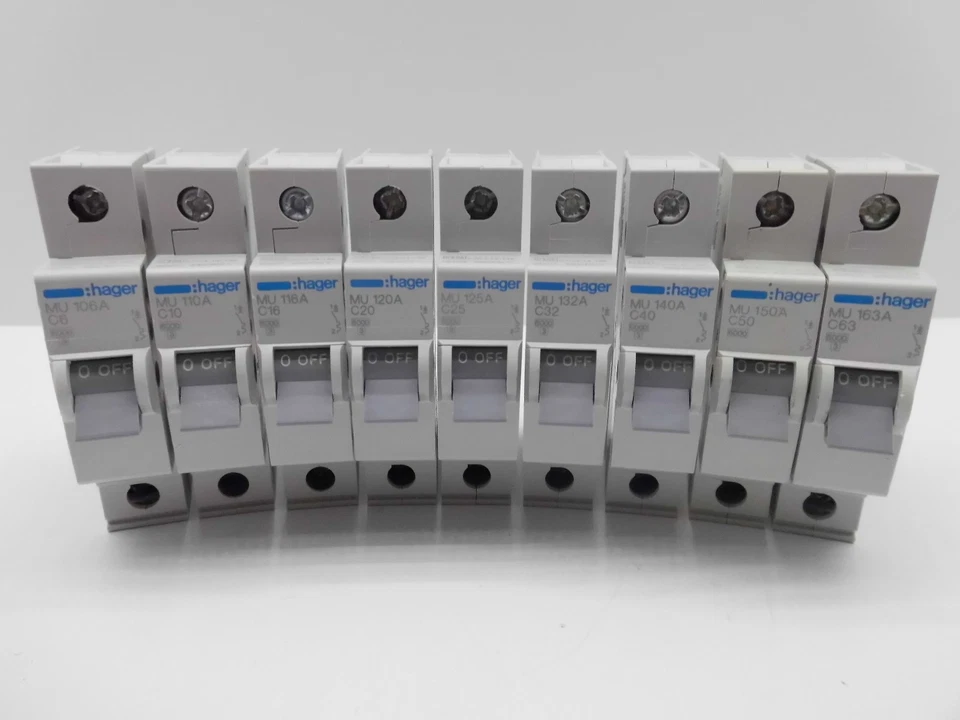
Modern electrical networks are becoming increasingly complex due to rising demand in residential, commercial, and industrial applications. As the load on electrical systems grows, the need for reliable protection devices becomes more critical than ever. Among these protective components, curve-type protection devices—commonly used in miniature circuit breakers (MCBs)—play a crucial role in ensuring safety, system stability, and uninterrupted power distribution.
High-quality curve-type protection devices are designed to respond differently to varying levels of electrical current surges, enabling them to provide precise protection tailored to load characteristics. Their importance lies not only in preventing electrical failures but also in improving the overall efficiency and lifespan of electrical infrastructure.
Understanding Curve Type Protection Devices in Electrical Systems
Curve-type protection devices are circuit breakers classified by their tripping characteristics. These curves define how quickly the device reacts to overcurrent conditions. The most commonly used curve types include B, C, and D curves, each designed for specific load conditions.
C curve devices, for example, are widely used in commercial and industrial environments where moderate inrush currents are expected. They allow short bursts of higher current without tripping unnecessarily, while still providing protection against sustained overloads and short circuits.
The core purpose of these devices is to balance safety and operational continuity. Without properly selected curve-type protection, electrical systems may either trip too frequently or fail to respond during dangerous faults.
Importance of High Quality in Curve Type Protection Devices
The quality of curve-type protection devices directly impacts the reliability of an entire electrical network. High-quality devices ensure consistent performance across varying load conditions and reduce the risk of electrical faults.
One of the most important aspects of high-quality devices is their precision in tripping behavior. Inferior devices may either trip too early, causing unnecessary downtime, or too late, allowing dangerous current levels to damage equipment. High-quality curve-type protection devices eliminate this inconsistency by adhering to strict manufacturing standards and maintaining accurate calibration.
Additionally, high-quality devices offer better thermal stability and mechanical durability. This ensures that they can withstand repeated switching cycles and harsh environmental conditions without performance degradation.
NOTE:- Contractors had depended on C Curve MCB Breaker Suppliers to maintain electrical safety compliance in commercial and residential installations. They had reduced faults and improved system stability. Connect with Home Electric for premium supply and expert support for C Curve MCB Breaker Suppliers across diverse electrical infrastructure projects very well.
Role in Protecting Electrical Networks from Overcurrent
Overcurrent is one of the most common causes of electrical failures, leading to equipment damage, fire hazards, and system downtime. Curve-type protection devices are specifically engineered to detect and interrupt overcurrent conditions before they become critical.
In a well-designed electrical network, these devices act as the first line of defense. When a fault occurs, the device responds based on its curve classification. For instance, a C curve device tolerates moderate inrush currents from motors or transformers but quickly disconnects the circuit during sustained overloads or short circuits.
This selective response is essential for maintaining continuity in complex systems that operate multiple devices simultaneously. By isolating only the faulty section of the network, curve-type protection devices help prevent widespread outages.
Enhancing System Efficiency and Equipment Lifespan
Electrical equipment such as motors, transformers, HVAC systems, and industrial machinery is highly sensitive to voltage fluctuations and current surges. High-quality curve-type protection devices help regulate these risks by ensuring that only abnormal conditions trigger disconnection.
When electrical systems are protected effectively, equipment experiences less stress and wear over time. This directly contributes to a longer operational lifespan and reduced maintenance costs.
Moreover, efficient protection minimizes energy losses caused by overheating or unstable current flow. This improves overall system performance and helps industries maintain consistent productivity without unexpected interruptions.
Importance in Industrial and Commercial Applications
Industrial and commercial environments are particularly dependent on stable electrical networks due to their high energy demands and continuous operation requirements. In such settings, even minor electrical faults can result in significant financial losses.
High-quality curve-type protection devices are essential in these environments because they can handle varying load conditions without compromising safety. Machines with high starting currents, such as compressors and conveyor systems, require protection devices that can differentiate between harmless inrush currents and actual faults.
In commercial buildings, these devices also play a key role in ensuring safety for lighting systems, elevators, and office equipment. Their reliability ensures smooth business operations and reduces the risk of electrical downtime.
Safety and Risk Mitigation in Electrical Infrastructure
Safety is a primary reason curve-type protection devices are indispensable in electrical networks. Faulty wiring, overload conditions, and short circuits can pose severe hazards, including electrical fires and equipment explosions.
High-quality protection devices significantly reduce these risks by reacting quickly and accurately to abnormal current flow. Their internal mechanisms are designed to disconnect the circuit instantly when unsafe conditions are detected.
In addition to protecting equipment, they also safeguard human life by preventing electrical shocks and fire-related accidents. This makes them a critical component in both residential and industrial safety standards.
Technological Advancements in Curve Type Protection Devices
With advancements in electrical engineering, curve-type protection devices have become more sophisticated and reliable. Modern devices are designed with improved arc-suppression technology, advanced thermal response systems, and enhanced contact materials.
These improvements allow devices to operate more efficiently even under high load conditions. Some advanced models also integrate smart monitoring features that help in predictive maintenance and real-time fault detection.
Such technological enhancements ensure that electrical networks are not only protected but also optimized for long-term performance. This is particularly important in smart buildings and automated industrial systems where real-time monitoring is essential.
Selection Criteria for High Quality Curve Type Protection Devices
Choosing the right curve-type protection device requires careful consideration of several factors. Load type is one of the most important criteria, as different applications require different tripping characteristics.
For example, residential applications typically use B-curve devices, while commercial and industrial systems often require C- or D-curve devices depending on inrush current levels.
Build quality, certification standards, breaking capacity, and brand reliability are also critical factors. High-quality devices are manufactured under strict quality control processes and comply with international safety standards.
Proper selection ensures optimal protection, reduces maintenance costs, and enhances the overall efficiency of the electrical system.
Conclusion
High-quality curve-type protection devices are a fundamental component of modern electrical networks. Their ability to accurately respond to different levels of current surges ensures both safety and operational efficiency across various applications.
From preventing equipment damage to enhancing system reliability and reducing fire risks, their role cannot be overstated. As electrical systems continue to evolve in complexity and scale, the importance of dependable curve-type protection devices will only continue to grow, making them an essential investment for any safe and efficient electrical infrastructure.