


How Nasal Drug Delivery Systems Are Transforming Modern Therapeutics
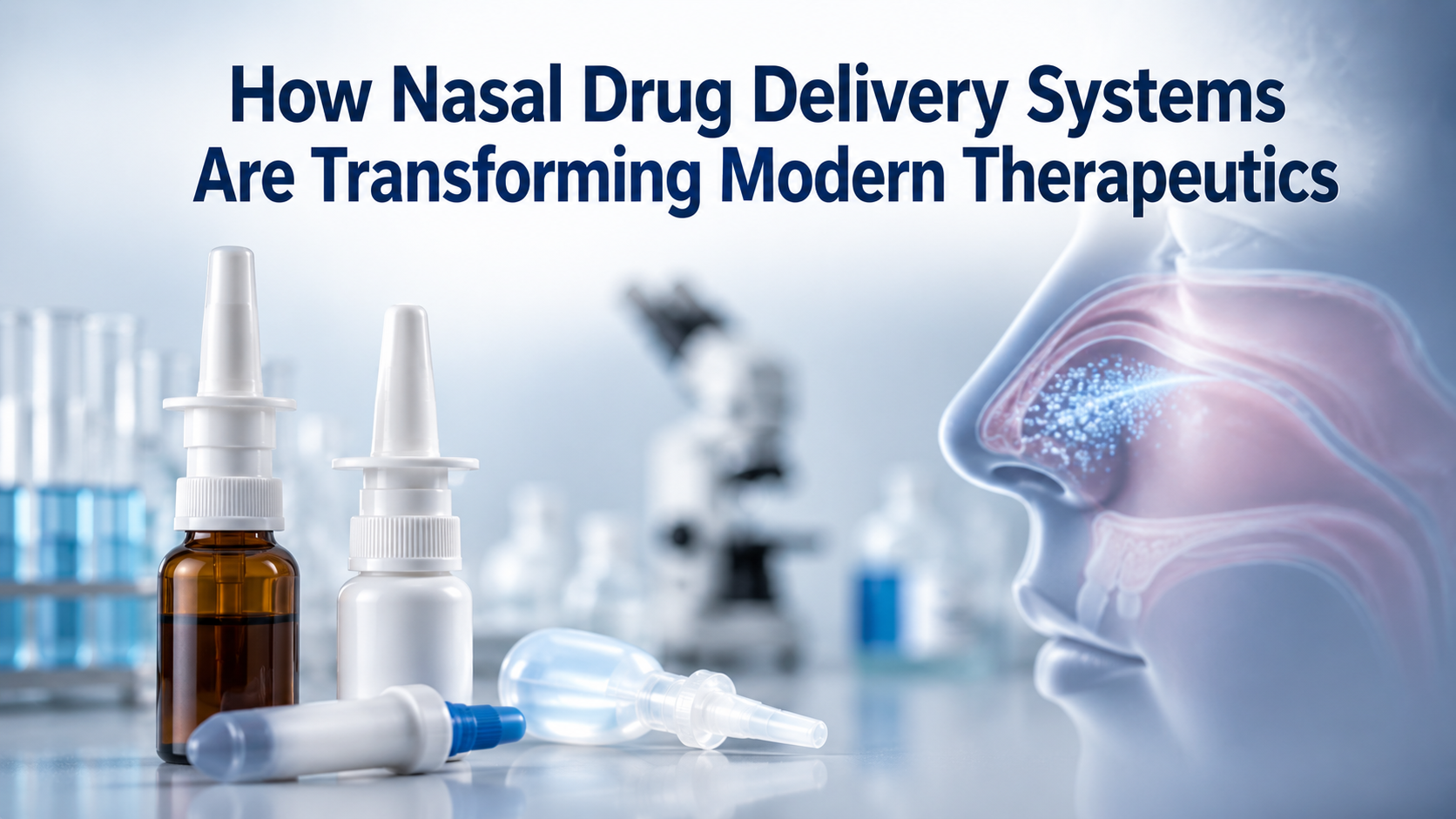
Nasal drug delivery systems have emerged as an important alternative to conventional methods of drug administration. By delivering medications through the nasal cavity, these systems enable rapid absorption through the nasal mucosa, often resulting in quicker therapeutic effects. The approach is gaining attention across healthcare settings because it offers a non-invasive option that can improve patient convenience and treatment accessibility.
The growing focus on patient-centric healthcare, combined with advancements in drug delivery technologies, has encouraged the adoption of nasal administration methods for a variety of therapeutic applications. From emergency treatments to neurological disorders and allergy management, nasal drug delivery systems are increasingly becoming part of modern treatment strategies due to their ability to provide efficient and targeted medication delivery.
Nasal Drug Delivery Systems and Their Expanding Role in Healthcare
Nasal drug delivery systems are designed to administer medications directly through the nose, allowing drugs to enter the bloodstream or act locally within the nasal cavity. Unlike oral medications, which may undergo digestive breakdown before reaching circulation, nasal delivery can offer faster absorption and improved bioavailability for selected therapies.
According to a nasal drug delivery systems industry analysis, the sector was valued at USD 65.06 billion in 2024 and is projected to reach USD 98.40 billion by 2030, growing at a CAGR of around 5.9% during the forecast period. This growth reflects increasing interest in alternative drug administration methods and ongoing innovation in delivery devices.
Why Healthcare Providers Are Adopting Nasal Delivery Technologies
One of the primary advantages of nasal drug delivery is its ability to provide rapid therapeutic action. This characteristic is particularly valuable in emergency situations where immediate intervention is required. Conditions such as opioid overdose, severe allergic reactions, and acute neurological episodes often require medications to act quickly, making nasal administration an attractive option.
Healthcare professionals are also exploring nasal delivery for central nervous system therapies. The nasal route may facilitate direct transport of certain compounds to the brain, potentially supporting treatments for neurological disorders. As research continues, this delivery pathway is expected to play a greater role in addressing complex medical conditions that require fast and effective therapeutic responses.
Innovation in Nasal Sprays and Advanced Delivery Devices
Nasal sprays remain among the most widely utilized formats within the broader nasal drug delivery ecosystem. Their ease of use, portability, and ability to deliver accurate doses have contributed to widespread acceptance among patients and healthcare providers. In particular, emergency medications administered through nasal sprays have demonstrated significant clinical value in time-sensitive situations.
Technological advancements are further improving device performance. Modern delivery platforms are being developed to enhance dose precision, improve patient compliance, and optimize drug absorption. Research published by the National Center for Biotechnology Information highlights the growing range of nasal delivery products, including sprays, powders, and drops, which continue to expand therapeutic possibilities across healthcare applications.
Growing Importance in Neurological and Emergency Care
The increasing prevalence of neurological disorders has strengthened interest in nasal drug delivery systems. Conditions such as Alzheimer's disease, Parkinson's disease, major depressive disorder, and other central nervous system disorders often require innovative treatment approaches. Nasal administration offers a practical option when traditional routes may be less effective or difficult for patients to manage.
Emergency medicine also represents a significant area of opportunity. Rapid-response treatments for opioid overdose, seizures, and severe allergic reactions can benefit from nasal delivery because medications can be administered quickly without the need for injections. This advantage is particularly valuable in community healthcare settings, emergency response services, and home-based care environments.
Regional Trends Supporting Industry Development
North America continues to represent a major hub for nasal drug delivery innovation and adoption. The region benefits from advanced healthcare infrastructure, extensive research activity, and a large patient population requiring therapies for neurological and respiratory conditions. Growing awareness of non-invasive treatment options has further encouraged utilization across healthcare systems.
Other regions are also investing in advanced drug delivery technologies as healthcare providers seek solutions that improve treatment outcomes and patient experiences. The combination of technological progress, expanding clinical applications, and supportive healthcare policies is contributing to broader acceptance of nasal delivery platforms worldwide.
Future Outlook for Nasal Drug Delivery Solutions
The future of nasal drug delivery systems is likely to be influenced by ongoing research into biologics, peptides, proteins, and specialized therapeutics. As pharmaceutical companies continue exploring new formulations, the nasal route may become increasingly relevant for therapies that require rapid absorption and enhanced patient convenience.
Industry developments are already demonstrating this momentum. For example, companies are expanding their capabilities through new device technologies and innovative delivery platforms. Recent initiatives by organizations such as Hovione and Zeteo Biomedical illustrate how investment in advanced nasal delivery solutions is helping shape the next generation of therapeutic administration methods.
As healthcare systems prioritize efficient, patient-friendly treatment approaches, nasal drug delivery systems are expected to remain an important area of innovation. Their ability to support rapid medication delivery, improve patient compliance, and address evolving therapeutic needs positions them as a valuable component of modern healthcare strategies.
Categorieën
Read More
The Global Dodecanedioic Acid (DDDA) Market, valued at USD 657.5 million in 2023, is expected to reach USD 1,069.1 million by 2032, growing at a compound annual growth rate (CAGR) of 5.6% over the forecast period 2024–2032. The market expansion is primarily driven by rising demand in automotive, electronics, textile, and consumer goods industries, coupled with the increasing use of...

The world of high-end fashion features many iconic names, but few brands capture the rebellious spirit of luxury quite like Chrome Hearts. Known worldwide for heavy sterling silver and intricate gothic designs, this label creates pieces that are more than simple accessories. Owning jewelry from this brand means embracing a distinct lifestyle focused on quality and edge. People appreciate how...

Global Sources adalah perusahaan multichannel B2B (business‑to‑business) yang telah beroperasi lebih dari 50 tahun. Perusahaan ini berfokus pada penghubung antara pembeli dan pemasok di seluruh dunia, terutama dari kawasan Asia. Global Sources memanfaatkan berbagai saluran seperti pasar online, pameran dagang, dan platform digital untuk memperkuat perdagangan internasional serta membantu bisnis...

According to the latest report published by Data Bridge Market Research, the Fiberoptic Phototherapy Equipment Market CAGR Value This world-wide Fiberoptic Phototherapy Equipment Market report is generated by a team of multilingual researchers who are skilled at different languages and hence perform market research internationally. With this report, businesses can get clear idea...
Discover how sustainable coffee farming protects the environment, empowers farmers, and promotes ethical sourcing. Learn how your coffee choices can create a positive global impact. ☕ The Growing Need for Sustainable Coffee Farming Coffee is one of the most consumed beverages worldwide, but its production often comes with serious environmental costs. Conventional coffee farming methods...