


Maximizing Fleet Efficiency: Commercial Brake Pad Cost Optimization
Managing a commercial fleet requires a constant balance between operational safety, vehicle availability, and cost control. With rising fuel prices, increasing labor costs, stricter regulatory requirements, and growing pressure to improve delivery efficiency, fleet operators can no longer afford to evaluate maintenance decisions solely on purchase price. Every component installed on a vehicle must be assessed according to its impact on total cost of ownership (TCO), vehicle uptime, and long-term profitability.
Among all maintenance categories, braking systems remain one of the most significant and recurring expenses throughout a commercial vehicle's lifecycle. However, the true cost of brake pads extends far beyond the initial purchase price. Premature wear, inconsistent friction performance, excessive brake dust, accelerated rotor wear, and unplanned maintenance events can significantly increase operating expenses while negatively affecting vehicle availability and safety performance.
For fleet managers, maintenance directors, and procurement teams, optimizing brake system costs requires a shift from reactive purchasing to a data-driven lifecycle management strategy. Working with a specialized commercial vehicle brake pad manufacturer enables logistics managers to optimize maintenance budgets, improve fleet uptime, and enhance road safety through application-specific friction formulations, validated testing capabilities, and stable supply chain support.
The True Cost of Commercial Vehicle Braking Systems
Many fleets continue to evaluate brake pads based primarily on unit cost, assuming that lower purchase prices automatically translate into lower operating expenses. In reality, this approach often produces the opposite result.
The total cost of a commercial braking system includes not only the acquisition cost of friction materials but also labor expenses, inventory carrying costs, rotor or drum replacement costs, vehicle downtime, and compliance risks. When a truck is removed from service due to unexpected brake maintenance, the financial impact extends beyond repair costs and includes lost revenue, delayed deliveries, driver idle time, emergency maintenance charges, and reduced asset utilization.
According to the latest operational cost analysis published by the American Transportation Research Institute (ATRI), maintenance and repair expenses remain one of the largest operating costs for commercial fleets. At the same time, roadside inspection data released by the Commercial Vehicle Safety Alliance (CVSA) consistently identifies brake system violations as one of the leading causes of out-of-service orders across North America.
These findings highlight an important reality for fleet operators: the lowest-cost brake pad is not necessarily the most economical option. A comprehensive brake system cost analysis should account for every expense generated throughout the component lifecycle, including parts, labor, downtime, inventory management, warranty claims, and compliance risks.
Why Fleet Managers Should Focus on Cost per Kilometer
For commercial applications, cost per kilometer is a far more meaningful performance indicator than unit price. This approach enables fleet operators to evaluate brake pads based on real-world operating value rather than initial acquisition costs.
Calculating brake cost per kilometer requires dividing the total brake maintenance expenditure by the actual service mileage achieved under operating conditions. This analysis should include brake pad costs, replacement labor, rotor or drum wear, vehicle downtime, and inventory expenses.
Consider two brake pad options with different pricing structures. One product may cost 20% more than another but provide 40% longer service life under identical operating conditions. Although the higher-priced product appears more expensive at the point of purchase, it may significantly reduce maintenance frequency, improve vehicle availability, and lower the total cost per kilometer over the vehicle's lifecycle.
Longer replacement intervals also create operational advantages by reducing workshop workloads, improving maintenance planning accuracy, and minimizing disruption to transportation schedules. Successful fleet operators evaluate brake system investments according to measurable outcomes such as service life, maintenance frequency, downtime reduction, and return on investment. For a more detailed framework on lifecycle cost analysis, supplier evaluation, and application-specific recommendations, refer to this fleet brake pads guide.
Market Trends Are Reshaping Fleet Brake Procurement Strategies
The commercial vehicle friction materials market is undergoing significant transformation as fleet operators face increasing pressure to improve operational efficiency, reduce emissions, and comply with evolving safety regulations.
According to research published by MarketsandMarkets, the global automotive brake friction products market is expected to experience sustained growth, driven by increasing commercial vehicle production, expanding logistics networks, and stricter performance requirements. At the same time, the broader friction materials market is shifting toward advanced formulations that deliver longer service intervals, improved thermal stability, lower noise and vibration levels, reduced brake dust emissions, and enhanced environmental performance.
Regulatory changes are accelerating this transition. The upcoming Euro 7 framework is expected to introduce stricter controls on non-exhaust emissions, including particulate matter generated by braking systems. As governments place greater emphasis on environmental sustainability, demand for low-emission and copper-free friction materials is expected to increase significantly.
Electrification is creating additional challenges for commercial vehicle brake systems. Although regenerative braking reduces reliance on traditional friction braking, it also increases the risk of brake corrosion due to reduced friction engagement. This trend is driving demand for friction materials capable of maintaining stable performance under changing operating conditions.
As a result, fleet procurement decisions are increasingly influenced by measurable indicators such as durability, thermal resistance, environmental compliance, and cost per kilometer rather than initial purchase price alone.
Selecting the Right Friction Material for Commercial Applications
There is no universal brake pad formulation capable of meeting the requirements of every commercial vehicle application. Brake system performance depends heavily on factors such as vehicle weight, payload, route profile, operating environment, braking frequency, and average vehicle speed.
Selecting friction materials based solely on vehicle type often results in suboptimal performance and unnecessary maintenance costs. Instead, fleet operators should align brake pad selection with actual duty cycles and operating conditions.
Long-haul transportation fleets operating under heavy loads and extended downhill braking conditions typically require semi-metallic formulations with excellent thermal stability and wear resistance. Urban delivery vehicles, which experience frequent stop-and-go operation, often benefit from low-metallic formulations that offer improved braking response and lower noise levels. Construction and mining equipment operating in high-load environments demand friction materials capable of maintaining structural integrity under extreme temperatures and severe operating conditions.
Matching friction materials to specific applications helps extend component service life, reduce maintenance frequency, and improve overall fleet efficiency.
The Importance of International Safety Certifications
For commercial fleets operating across multiple markets, certifications are more than regulatory requirements—they are essential risk management tools.
Certified brake products help ensure consistent performance, simplify market access, reduce warranty claims, and improve customer confidence. Fleet operators should prioritize suppliers that comply with recognized international standards and maintain robust quality management systems.
ECE R90 certification verifies that aftermarket brake components deliver braking performance equivalent to original equipment products through rigorous testing procedures that evaluate effectiveness, thermal stability, and wear characteristics. FMVSS requirements establish braking performance standards for vehicles operating in North America, while ISO-certified manufacturing systems ensure process consistency, traceability, and repeatable quality across production batches.
Beyond certifications, fleet operators should evaluate whether suppliers conduct comprehensive validation testing, including dynamometer testing, friction coefficient analysis, wear resistance evaluation, compressibility testing, shear strength testing, and fade and recovery assessments.
Comprehensive testing programs help reduce operational risk by ensuring consistent product performance under a wide range of operating conditions.
Data-Driven Maintenance Reduces Brake Costs
Traditional maintenance strategies often rely on fixed replacement intervals based on mileage alone. Although this approach is simple to implement, it frequently results in unnecessary maintenance or unexpected failures.
Leading fleet operators are increasingly adopting predictive maintenance models supported by telematics systems, brake wear monitoring technologies, route analysis, payload tracking, and driver behavior data. By integrating these data sources, fleets can better understand how operating conditions influence brake wear and optimize replacement schedules accordingly.
Modern maintenance programs evaluate multiple variables simultaneously, including vehicle mileage, average payload, braking frequency, route characteristics, brake temperature, and environmental conditions. This data-driven approach enables maintenance teams to identify wear patterns, maximize component utilization, and improve maintenance planning accuracy.
Predictive maintenance strategies not only reduce maintenance costs but also improve workshop efficiency, optimize spare parts inventory, and increase vehicle availability.
As connected vehicle technologies continue to evolve, brake systems are becoming increasingly integrated into broader fleet management platforms, enabling more accurate maintenance forecasting and smarter operational decision-making.
Strategic Partnerships Drive Long-Term Savings
Achieving sustainable cost optimization requires more than selecting the right brake pad—it requires choosing the right manufacturing partner.
Direct collaboration with a specialized commercial vehicle brake pad manufacturer provides fleet operators and distributors with access to technical expertise, application-specific engineering support, custom friction formulations, and stable supply chains.
When evaluating suppliers, procurement teams should consider factors such as manufacturing capacity, certification compliance, product consistency, testing capabilities, inventory availability, lead times, technical support, and warranty policies.
Suppliers with strong engineering capabilities can help fleets optimize friction material selection based on actual operating conditions rather than generic specifications. Direct manufacturer relationships also reduce supply chain complexity, improve communication efficiency, and enable faster technical response when operational challenges arise.
For distributors developing private-label programs, working directly with experienced manufacturers supports stronger product differentiation, greater quality control, and improved competitiveness in local markets.
Driving Long-Term Fleet Performance
Optimizing commercial fleet expenses requires a shift from reactive purchasing to proactive lifecycle management.
Brake pads should no longer be viewed as commodity replacement parts. Instead, they should be recognized as strategic assets that directly influence vehicle uptime, maintenance costs, road safety, and overall fleet profitability.
Organizations that monitor cost per kilometer, analyze downtime trends, implement predictive maintenance programs, and select application-specific friction materials are better positioned to control operating expenses and improve long-term performance.
Likewise, fleet operators that prioritize certified products and establish long-term partnerships with experienced manufacturers can reduce procurement risks while ensuring consistent quality and supply chain reliability.
In an increasingly competitive transportation environment, successful procurement strategies are no longer defined by the lowest purchase price. They are measured by tangible business outcomes, including extended service intervals, reduced maintenance frequency, improved vehicle availability, lower total cost of ownership, and enhanced operational resilience.
For fleets seeking sustainable growth, strategic brake system management is not simply a maintenance decision—it is a competitive advantage.
Categorii
Citeste mai mult
Raven Labs solid online presence is crucial for business expansion in Australia's fiercely competitive digital market. Raven Labs specializes in providing creative, effective seo services australia that are customized to fit the particular requirements of Australian companies. To guarantee that your website ranks higher, draws targeted traffic, and turns visitors into devoted clients, our...

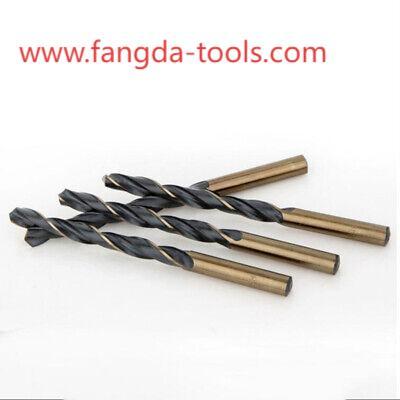
In modern fabrication environments, tool selection directly influences workflow consistency and surface quality. Many workshops now pay closer attention to cutting stability, heat resistance, and material adaptability when choosing drilling accessories. HSS Twist Drill Bit products from fangda-tools continue to attract attention among users handling metal fabrication, equipment assembly,...
If you are searching for wedding rings in San Mateo, you are likely looking for something more than just jewelry—you want a symbol of love, commitment, and lifelong partnership. Wedding rings represent one of the most important purchases in a couple’s journey, and choosing the right jeweler in San Mateo ensures you get quality craftsmanship, certified diamonds, and a...

According to the latest report published by Data Bridge Market Research, the Epidermal Growth Factor Receptor Inhibitors Market The global epidermal growth factor receptor inhibitors market size was valued at USD 14.10 billion in 2024 and is projected to reach USD 28.10 billion by 2032, with a CAGR of 9.00% during the forecast period of 2025 to 2032. The reliable Epidermal Growth...

Search rankings feel unstable now because almost every company pushes content online daily without slowing down much anymore. One website climbs quickly for important keywords, then disappears after another update arrives unexpectedly later. Businesses notice that pattern constantly. Traffic moves around fast.Because of that, companies pay closer attention before buying SEO services blindly...
