


What Is My Funeral Home Worth? Key Factors That Affect Value

If you’re asking, “What is my funeral home worth?”, you’re already taking an important first step toward making informed business decisions. Whether you plan to retire, transition ownership to family, or simply explore your options, understanding the value of your business is essential. A funeral home is more than a building or a book of business—it’s a reputation, a service model, a team, and a long-standing place in the community. All of those factors can influence what a buyer is willing to pay.
For owners considering selling a funeral home, valuation is not based on one simple formula. Buyers look at a combination of financial performance, market conditions, operations, property, and future growth potential. The stronger and more transferable the business is, the more attractive it becomes in the market.
In this guide, we’ll break down the key factors that affect funeral home value, explain what buyers look for, and show how smart funeral home exit planning can help you maximize your final sale price.
1. Financial Performance Is the Foundation of Value
The first and most important factor in determining funeral home value is financial performance. Buyers want to know how much cash flow the business generates and whether that income is stable, growing, and sustainable.
Some of the most important financial metrics include:
- Annual revenue trends over the last 3–5 years
- EBITDA or seller’s discretionary earnings (depending on the size of the business)
- Net profit margins
- Average revenue per call
- Cash flow consistency
- Mix of at-need, preneed, cremation, and burial services
A funeral home with strong and predictable earnings will usually command a higher multiple than one with inconsistent revenue or declining margins. Buyers also pay close attention to how revenue is generated. For example, a business with diversified revenue streams—traditional services, cremation, memorial products, preplanning, and possibly cemetery or aftercare services—may be viewed as more resilient than one that relies heavily on a single category.
It’s also important to present clean, organized financial statements. If your books are unclear or personal expenses are mixed into the business, buyers may discount the value because they perceive additional risk.
2. Call Volume, Case Mix, and Local Market Demand Matter
Funeral homes are often evaluated based on call volume and the stability of their local market. A buyer will want to know not just how many families you serve, but also what types of services those families choose and whether demand is likely to remain steady in the future.
Questions a buyer may ask include:
- How many calls does the funeral home handle each year?
- Is call volume growing, stable, or declining?
- What percentage of cases are burial versus cremation?
- What is the average revenue per service type?
- What are local death rate and demographic trends?
- How competitive is the market?
A funeral home serving a loyal community with stable or increasing call volume is generally more valuable than one in a shrinking market with heavy competition. However, raw volume isn’t everything. A smaller funeral home with strong pricing, good margins, and a well-established reputation can still be highly valuable.
Case mix also plays a role. In many markets, cremation rates continue to rise, which can pressure revenue if pricing and service offerings haven’t adapted. Buyers will look for owners who understand their market and have adjusted their offerings accordingly.
3. Reputation, Brand Strength, and Community Presence Add Real Value
In the funeral profession, trust matters. A funeral home with a strong local reputation, positive word-of-mouth, and long-standing community relationships often has a significant advantage in the market.
Brand value can come from:
- A well-known business name in the community
- Positive online reviews and testimonials
- Strong referral relationships with churches, hospices, hospitals, and care facilities
- Deep roots in local civic or faith communities
- A reputation for compassionate, consistent service
While reputation can be harder to measure than revenue, it absolutely affects buyer confidence. A respected funeral home with strong customer loyalty may be seen as a lower-risk acquisition because the goodwill is already established.
That said, buyers will also consider how dependent the reputation is on the current owner. If families choose the business primarily because of one individual, the transition may be harder. If the goodwill is tied to the overall brand, team, and systems, the business is usually more transferable—and more valuable.
4. Real Estate, Facilities, and Equipment Influence Price
One of the biggest questions in selling a funeral home is whether the real estate is included in the transaction. In some deals, the buyer purchases both the operating business and the property. In others, the real estate is sold separately or leased to the buyer.
The condition and functionality of your facilities can affect value in several ways. Buyers will assess:
- Building size, layout, and presentation
- Chapel and visitation space capacity
- Parking availability and accessibility
- Condition of prep room and operational areas
- Furniture, fixtures, and equipment quality
- Needed repairs, deferred maintenance, or capital upgrades
A well-maintained facility can strengthen value and improve marketability. On the other hand, outdated buildings, expensive repairs, or poorly maintained equipment may reduce what buyers are willing to offer.
Location also matters. A funeral home in a visible, convenient location with strong local demographics may be more attractive than one in a difficult-to-access area or a declining market. If the property is owned separately from the business, structuring the real estate component properly can be a key part of funeral home exit planning.
5. Staff, Systems, and Day-to-Day Operations Affect Transferability
A funeral home is often worth more when it can operate successfully without depending entirely on the owner. Buyers are not just purchasing your past performance—they’re investing in a business they can continue to run after the sale.
That’s why operational strength matters. A buyer will look at:
- The experience and stability of your staff
- Whether licensed funeral directors will stay after closing
- Management depth and leadership structure
- Written procedures and training systems
- Software, case management, and accounting systems
- Vendor relationships and operational efficiency
If the owner handles every major relationship, every arrangement conference, and every key decision, the business may appear harder to transition. In contrast, a funeral home with a capable staff, documented systems, and a smooth workflow is often more attractive because it feels less risky and more scalable.
This is one reason why funeral home exit planning should begin well before you list the business for sale. Even 12 to 24 months of focused operational improvements can strengthen value and make the transition easier for both seller and buyer.
6. Preneed Contracts, Growth Potential, and Deal Structure Can Change Value
Two funeral homes with similar current revenue may still be valued very differently based on future opportunity. Buyers want to know what they’re stepping into—not only what the business has done, but what it can do next.
Important value drivers include:
- The size and quality of your preneed book
- Conversion rates from preneed to at-need services
- Opportunities to improve pricing or margins
- Expansion potential in cremation, memorialization, or aftercare
- Market share growth opportunities
- Potential synergies for a strategic buyer
A healthy preneed program can be especially valuable because it represents future business already in the pipeline. However, buyers will review those contracts carefully, including funding structure, cancellation risk, and expected timing.
Deal structure can also affect the final number. For example, an all-cash sale may come with a different price than a deal that includes seller financing, a consulting transition, or performance-based earnouts. In other words, the “worth” of your funeral home is not just about the business itself—it’s also about how the sale is structured.
Why Funeral Home Exit Planning Matters More Than Most Owners Realize
Many owners wait until they are emotionally ready to retire before thinking about value. The problem is that by then, there may be limited time to fix issues that reduce price.
The best time to start planning is before you need to sell. Good funeral home exit planning helps you identify value gaps, clean up financials, strengthen management, improve transferability, and position the business for a smoother transaction. It also gives you more control over timing, tax strategy, and the type of buyer you want to attract.
If your goal is to Sell My Funeral Home at the strongest possible value, don’t treat valuation as a last-minute exercise. Treat it as part of a larger strategy.
Final Thoughts
So, what is your funeral home worth? The honest answer is: it depends on a combination of earnings, call volume, market conditions, reputation, real estate, staffing, systems, and future growth potential. No two funeral homes are exactly alike, which is why valuation should always be tied to the unique strengths and risks of your business.
If you’re considering selling a funeral home, the smartest next step is to get a professional assessment and start preparing early. With the right strategy, the right timing, and the right guidance, you can move from uncertainty to clarity—and from curiosity to a successful exit.
If you’re ready to explore your options, Sell My Funeral Home can help you understand your business’s value and build a practical plan for the next chapter.
Kategoriler
Read More
There are a lot of platforms out there promising results. More traffic. Better rankings. Stronger authority. But not all of them deliver. Choosing the wrong one wastes time, money, and sometimes does real damage to your site's credibility. So, what actually separates a worthwhile guest posting marketplace from one you should avoid? A few key things. And once you know what to look for, the...

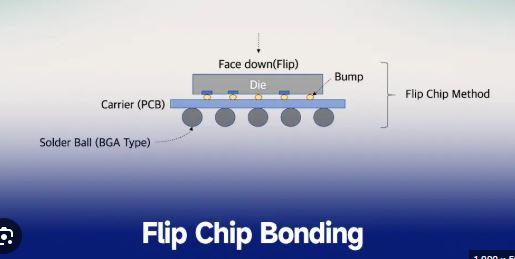
In today’s volatile economic environment, having accurate Flip Chip Technology Market business insights is more important than ever. Our group discussion should touch upon how geopolitical tensions and trade policies are forcing companies to rethink their "just-in-time" manufacturing models. Many firms are now moving toward a "just-in-case" model, where they keep larger buffers of...
The healthcare industry is undergoing a profound digital transformation, and the adoption of immersive technologies is playing a central role in this evolution. The Metaverse in Healthcare Market is emerging as a disruptive force, integrating virtual environments, digital twins, and real-time data to enhance clinical decision-making, medical training, and patient engagement. As healthcare...
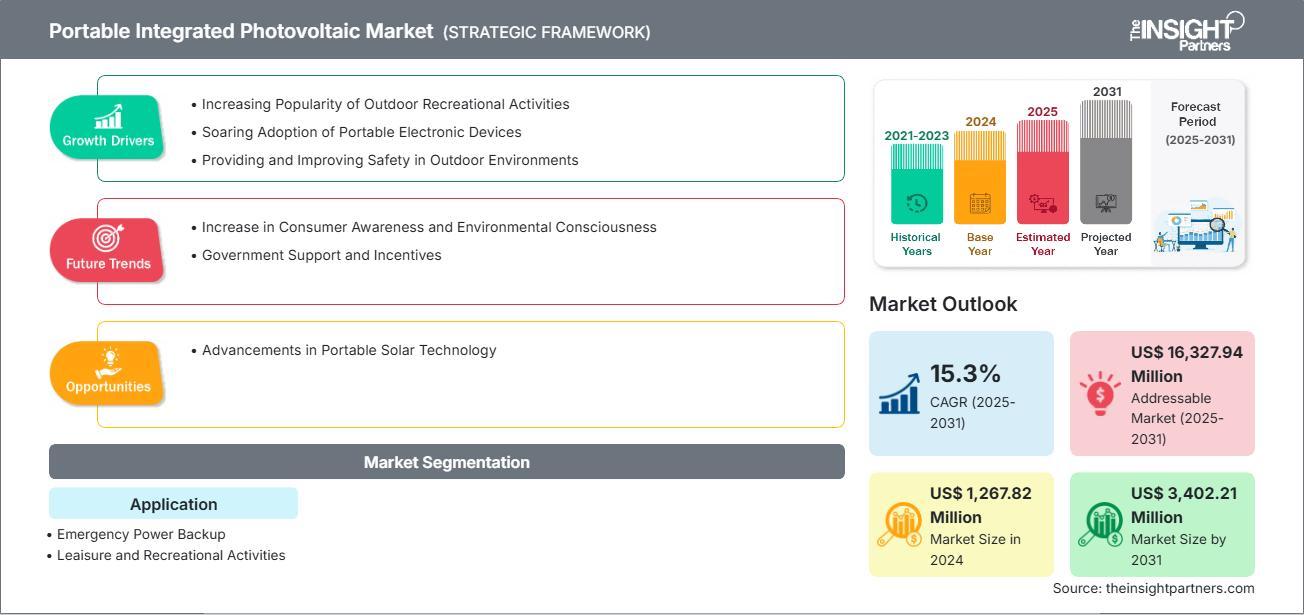
The global energy transition is not a uniform process; it is a collection of regional shifts driven by local policies, consumer behavior, and technological adoption. As the global portable integrated photovoltaic market Share continues its trajectory toward a projected value of USD 3,402.21 million by 2031, understanding the geographic distribution of market share is essential for...
Oddway International is among trusted wholesale otc medicine distributors serving global healthcare markets. As reliable wholesale otc medicine distributors, we supply safe, high-quality products that meet international standards. Our network of wholesale otc medicine distributors ensures consistent availability and competitive pricing for partners worldwide. We work with generic pharmaceutical...