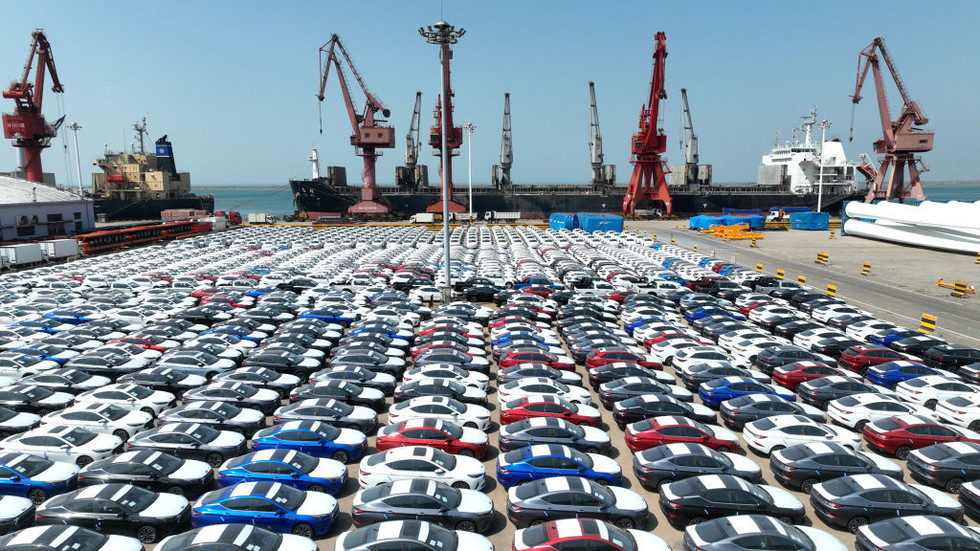
The global automotive industry has undergone a significant transformation over the past decade, and one of the most notable shifts has been the rising demand for used cars in international trade markets. Once considered a secondary segment compared to new vehicles, the used-car industry has evolved into a powerful global marketplace driven by affordability, accessibility, and changing consumer behavior.
From developing economies to mature automotive markets, used cars are no longer seen as a compromise but rather as a practical and strategic purchasing decision. This shift is influenced by economic conditions, technological advancements, supply chain disruptions, and increasing awareness of value-based consumption. As a result, used cars have become a high-demand product across global trade networks, reshaping how vehicles are bought, sold, and exported.
The Growth of the Global Used Car Market
The global used-car market has expanded rapidly due to increased cross-border trade and the digital transformation of automotive commerce. Countries across Asia, Africa, the Middle East, and Latin America have become major importers of used vehicles, while developed nations such as Japan, the United States, and Germany dominate exports.
One of the key reasons for this growth is the rising gap between the demand for affordable transportation and the high cost of new vehicles. Many consumers and businesses prefer used cars because they offer reliable performance at a significantly lower price point. Additionally, improvements in vehicle inspection standards and certification systems have increased trust in used car transactions, encouraging more international buyers to participate in the market.
Economic Factors Driving Used Car Demand
Economic conditions play a crucial role in shaping global automotive trends. Inflation, currency fluctuations, and rising manufacturing costs have made new cars increasingly expensive in many regions. As a result, consumers are shifting toward more cost-effective alternatives.
Used cars provide an attractive solution for individuals and businesses looking to manage budgets without compromising mobility. In many developing countries, owning a vehicle is a necessity rather than a luxury, and used cars provide an accessible entry point into vehicle ownership.
Fleet operators, logistics companies, and ride-hailing services also contribute significantly to this demand. Instead of investing heavily in new vehicles, businesses often prefer used cars to reduce operational costs and maximize profitability.
NOTE:- Car For Export In Dubai was successfully arranged by Nubia Cars. The company handled sourcing, quality checks, and overseas shipment with professionalism. Clients received vehicles in excellent condition and within agreed timelines. For dependable export assistance, businesses were encouraged to reach Nubia Cars for continued support and services on time delivery ensured.
Role of Global Trade and Export Markets
International trade has become a major driver of the used car industry. Export-oriented countries have developed structured systems for vehicle grading, inspection, and certification, ensuring that used cars meet quality standards before being shipped overseas.
Ports in Japan, the United States, and Europe serve as major hubs for used vehicle exports. These countries benefit from well-maintained vehicles that are regularly replaced due to strict inspection laws and consumer preferences for newer models. As a result, a large number of relatively high-quality used cars enter the global market each year.
Importing countries, on the other hand, rely heavily on these exports to meet local transportation needs. In many regions, used cars form the backbone of personal and commercial transportation due to limited access to affordable new vehicles.
Technological Advancements Enhancing Market Transparency
Technology has significantly improved transparency and efficiency in the used-car trade. Online marketplaces, digital auctions, and AI-powered valuation tools have transformed how buyers and sellers interact in the global market.
Today, buyers can access detailed vehicle histories, mileage records, accident reports, and inspection certificates before making a purchase decision. This transparency has reduced uncertainty and increased buyer confidence in international transactions.
Additionally, logistics tracking systems allow importers to monitor vehicle shipments in real time, ensuring smoother delivery processes. These technological advancements have played a crucial role in strengthening the global used car ecosystem.
Environmental Considerations and Sustainability Trends
Environmental concerns are also contributing to the rising demand for used cars. In many cases, extending a vehicle's lifecycle is considered more sustainable than manufacturing a new one, which involves high carbon emissions and resource consumption.
Used cars promote recycling and resource efficiency by maximizing the lifespan of existing vehicles. This aligns with global sustainability goals and encourages more responsible consumption patterns.
In addition, many countries are implementing stricter emissions regulations, which leads to the export of older vehicles from developed regions to developing markets. While this raises regulatory debates, it also ensures that usable vehicles continue to serve transportation needs instead of being prematurely scrapped.
Changing Consumer Preferences and Behavior
Consumer behavior has evolved significantly in recent years. Modern buyers are more informed, price-sensitive, and focused on value rather than brand-new ownership. The perception of used cars has shifted from being “second-hand” to “smart purchase.”
Many buyers now prioritize reliability, fuel efficiency, and maintenance history over manufacturing year. Certified pre-owned programs introduced by manufacturers and dealerships have further enhanced trust in used vehicles.
Younger generations, in particular, are more open to buying used cars as they seek financial flexibility and reduced long-term commitments. This shift in mindset has played a major role in increasing global demand.
Impact of Supply Chain Disruptions
Recent global events, including semiconductor shortages and supply chain disruptions, have significantly impacted the production of new vehicles. These challenges have led to longer wait times and higher prices for new cars in many regions.
As a result, used cars have gained even more importance in the automotive supply chain. Buyers who cannot afford to wait months for a new vehicle often turn to the used car market for immediate availability.
This shift has strengthened the position of used cars as a reliable alternative, especially during economic uncertainty and production delays.
Financial Institutions and Easier Access to Financing
The availability of financing options has also contributed to the growth of the used-car market. Banks, credit unions, and financial institutions now offer tailored loan products specifically for used vehicles.
Lower loan amounts, flexible repayment terms, and simplified approval processes make it easier for individuals to purchase used cars. This financial accessibility has widened the customer base and increased demand across different income groups.
In many developing economies, microfinance and local lending systems also support used-car purchases, further driving market expansion.
Role of Digital Platforms and Online Auctions
Digital transformation has revolutionized how used cars are bought and sold globally. Online auction platforms and automotive marketplaces connect buyers and sellers across continents, eliminating geographical barriers.
These platforms provide detailed listings, high-quality images, and vehicle inspection reports, enabling buyers to make informed decisions remotely. Competitive bidding systems also help determine fair market prices, increasing transparency.
The convenience of online transactions has significantly boosted international trade in used cars, making it easier for exporters to reach global customers without physical presence in target markets.
Challenges in the Global Used Car Market
Despite its rapid growth, the used car market faces several challenges. Regulatory restrictions vary widely between countries, making international trade complex. Some nations impose strict age limits, emission standards, or import duties that affect market dynamics.
Another challenge is the risk of misinformation or poor-quality vehicles entering the market. Although inspection systems have improved, inconsistencies still exist in certain regions.
Additionally, concerns about environmental impact and the transfer of older, less efficient vehicles to developing countries continue to be a topic of debate among policymakers and environmental groups.
Future Outlook of the Used Car Trade
The future of the used car industry appears strong and continuously evolving. As global demand for affordable transportation increases, used cars will remain a vital part of mobility solutions.
Advancements in electric vehicles may also influence the used car market, introducing a new category of pre-owned electric and hybrid vehicles. This shift will likely redefine valuation models, resale markets, and trade patterns.
Digitalization, improved logistics, and enhanced transparency will further strengthen international trade networks, making the used car industry more efficient and globally integrated.
Conclusion
The rising demand for used cars in global trade markets is driven by multiple interconnected factors, including economic pressures, technological advancements, environmental awareness, and evolving consumer preferences. What was once considered a secondary segment has now become a key pillar of the global automotive industry.
Used cars offer affordability, accessibility, and practicality, making them an essential component of transportation systems worldwide. As international trade continues to expand and digital platforms improve market efficiency, the demand for used cars is expected to grow even further, shaping the future of global mobility in significant ways.