


The Most Common Residential Plumbing Problems in Grand Prairie Homes
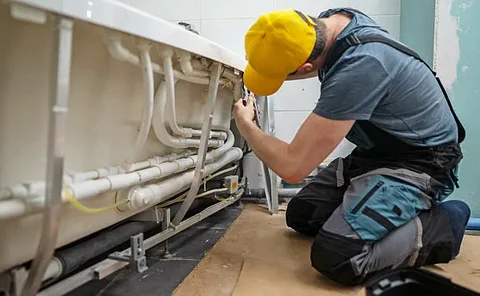
Introduction to Residential Plumbing Issues
Residential plumbing systems are one of the most essential parts of any home, yet they are often taken for granted until something goes wrong. From minor leaks to major pipe failures, plumbing problems can disrupt daily life, increase water bills, and even lead to structural damage if not addressed quickly. Understanding the most common issues in residential plumbing helps homeowners act early and avoid costly repairs.
In growing suburban areas like Grand Prairie, many homes experience plumbing stress due to aging infrastructure, shifting soil conditions, and heavy seasonal water use. Knowing what to watch for can make a significant difference in maintaining a safe and efficient home.
1. Leaky Faucets and Fixtures
One of the most common residential plumbing problems is a dripping faucet or leaking fixture. While it may seem minor, even a slow drip can waste hundreds of gallons of water over time.
Leaks usually occur due to worn-out washers, damaged O-rings, or corrosion inside the faucet assembly. In some cases, mineral buildup from hard water can also prevent proper sealing.
Homeowners in Grand Prairie often experience this issue due to local water mineral content, which gradually affects fixture performance over time.
2. Clogged Drains
Clogged drains are another frequent issue in residential plumbing systems. They typically occur in kitchen sinks, bathroom sinks, bathtubs, and showers.
Common causes include:
- Accumulation of grease and food particles in kitchen drains
- Hair buildup in bathroom drains
- Soap scum and mineral deposits
- Flushing inappropriate items down toilets
While many homeowners attempt DIY solutions, repeated clogs may indicate a deeper blockage in the main sewer line that requires professional attention.
3. Running Toilets
A running toilet is not only annoying but also a major source of water waste. This problem often goes unnoticed for long periods, leading to unexpectedly high water bills.
The issue is usually caused by a faulty flapper valve, a damaged fill valve, or improper float adjustment inside the toilet tank. In some cases, sediment buildup can prevent proper sealing.
In residential plumbing systems, especially older ones, this is one of the most overlooked but costly problems.
4. Low Water Pressure
Low water pressure can affect showers, sinks, and appliances throughout the home. It can be caused by several underlying issues, including pipe corrosion, sediment buildup, hidden leaks, or municipal supply problems.
In areas like Grand Prairie, mineral-rich water can contribute to gradual pipe narrowing, which reduces water flow over time.
If low pressure is isolated to one fixture, the issue may be local. However, if it affects the entire home, it often signals a more serious plumbing problem.
5. Leaking Pipes
Pipe leaks are among the most serious residential plumbing issues because they can cause structural damage, mold growth, and foundation problems if not detected early.
Leaks may occur due to:
- Pipe corrosion
- High water pressure
- Temperature changes
- Poor installation
- Soil movement beneath slab foundations
Homes built on slab foundations in Grand Prairie are particularly vulnerable to hidden leaks beneath concrete, which may require professional detection tools to locate.
6. Water Heater Problems
Water heaters are essential for daily comfort, but they often develop issues over time. Common problems include inconsistent water temperature, no hot water, strange noises, or leaking tanks.
Sediment buildup inside the tank is a major cause of inefficiency, especially in areas with hard water. Faulty thermostats or heating elements can also reduce performance.
Regular maintenance is essential to extend the life of a water heater and ensure reliable hot water supply.
7. Sewer Line Backups
Sewer line problems are some of the most unpleasant and serious plumbing issues homeowners face. A backup can cause wastewater to return into sinks, toilets, or bathtubs.
Common causes include:
- Tree root intrusion
- Collapsed or broken sewer pipes
- Grease buildup
- Foreign objects blocking the line
This issue requires immediate professional attention, as it poses health risks and can cause significant property damage.
8. Dripping or Leaking Hose Bibs
Outdoor plumbing fixtures, such as hose bibs, are often exposed to weather conditions. Over time, they can crack or develop leaks, especially after freezing temperatures or heavy use.
A leaking hose bib may seem minor but can still contribute to water waste and higher utility bills.
9. Garbage Disposal Issues
Garbage disposals are convenient but can become problematic if misused. Common issues include jamming, strange noises, or complete failure to operate.
These problems often result from putting inappropriate items into the disposal, such as bones, fibrous vegetables, or grease.
Proper usage and regular cleaning can help extend the lifespan of this appliance.
10. Hidden Slab Leaks
Hidden slab leaks are particularly concerning in residential plumbing systems because they occur beneath the concrete foundation. They are often difficult to detect and may present as warm spots on floors, unexplained water bills, or damp flooring.
In Grand Prairie, shifting clay soil increases the risk of underground pipe stress, making slab leaks a relatively common issue for homeowners.
Early detection is critical to prevent foundation damage and costly repairs.
Why Residential Plumbing Issues Are Common in Grand Prairie
The combination of aging housing infrastructure, hard water conditions, and expansive soil makes plumbing problems more frequent in Grand Prairie compared to many other regions.
Seasonal temperature changes also cause pipes to expand and contract, increasing wear over time. As a result, routine maintenance and early inspections are essential for protecting residential plumbing systems.
Preventing Residential Plumbing Problems
Preventive maintenance can significantly reduce the likelihood of major plumbing issues. Homeowners should consider:
- Regular drain cleaning
- Annual water heater inspections
- Monitoring water bills for unusual increases
- Avoiding grease disposal in sinks
- Scheduling professional plumbing inspections
Small preventive steps can help avoid expensive emergency repairs.
Final Thoughts
Residential plumbing systems play a critical role in maintaining a safe and comfortable home. From minor leaks to serious sewer issues, understanding these common problems helps homeowners take quick action and prevent long-term damage.
For residents in Grand Prairie, regular maintenance and early detection are especially important due to environmental and soil-related challenges. Staying proactive with residential plumbing care can save both time and money while protecting your home’s long-term value.
Frequently Asked Questions (FAQs)
1. What are the most common residential plumbing problems?
The most common issues include clogged drains, leaky faucets, running toilets, low water pressure, and pipe leaks.
2. Why do plumbing problems happen frequently in Grand Prairie homes?
Due to soil movement, hard water conditions, and aging infrastructure in Grand Prairie, plumbing systems often experience stress and wear.
3. How do I know if I have a hidden plumbing leak?
Signs include higher water bills, damp floors, mold growth, or reduced water pressure.
4. Can I fix plumbing problems myself?
Minor issues like clogged drains or dripping faucets can sometimes be DIY-fixed, but most residential plumbing problems require professional help.
5. What is the most expensive plumbing problem?
Sewer line backups and slab leaks are typically the most costly due to excavation and repair complexity.
Nach Verein filtern
Read More
Executive Summary Micronized Salt Market Value, Size, Share and Projections The micronized salt market is expected to gain market growth in the forecast period of 2021 to 2028. Data Bridge Market Research analyses that the market is growing with the CAGR of 6.99% in the forecast period of 2021 to 2028. The large scale Micronized Salt Market report has estimations of CAGR values which...

North America continues to strengthen its position as a global leader in aviation security, driven by increasing investments in advanced cargo inspection technologies and expanding air freight operations. The United States, in particular, is witnessing significant upgrades across airport cargo terminals as government agencies, airlines, freight operators, and logistics companies focus on...

The second season will delve into the ongoing legal appeals of Steven Avery and Brendan Dassey, focusing on developments after their convictions. An appeals judge overturned Dassey's confession in late 2016, ordering his release, though prosecutors are currently appealing that decision, blocking his freedom. The groundbreaking first season, filmed across a decade, chronicled Avery's initial...
Understanding human sexuality requires more than curiosity—it requires expertise. A sexologist in Riyadh studies the psychological, physiological, and social aspects of sexual desire and intimacy, helping individuals and couples understand and improve their sexual lives. Sexologists combine research, therapy, and education to provide evidence-based guidance on sexual health and...

Accidents are life-altering events that happen in a split second but leave a trail of consequences that can last for years. Whether it’s a high-impact collision on the I-10 or a localized incident in a residential neighborhood, the aftermath is always the same: confusion, pain, and a mountain of paperwork. When you are facing these challenges, you need a legal partner that understands the...