


What Causes Decks to Rot or Become Structurally Unsafe?
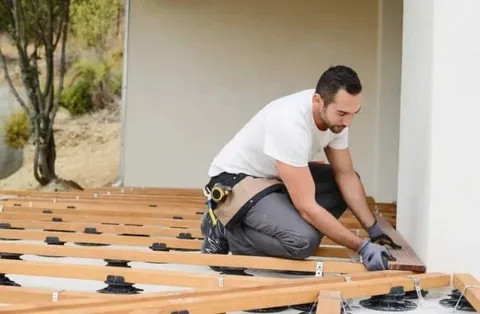
Outdoor decks are one of the most valuable features of a home, especially in places like Aurora Co where homeowners enjoy seasonal outdoor living. However, decks are constantly exposed to moisture, temperature changes, and structural stress. Over time, these factors can cause serious deterioration, leading to safety hazards. Understanding why decks fail and how waterproofing protects them is essential for long-term durability and safe outdoor living.
Why Decks Become Rotten or Structurally Unsafe
One of the most common reasons decks fail is moisture damage. Wood is highly vulnerable to water absorption, and when moisture gets trapped inside the structure, it creates the perfect environment for rot, mold, and fungal growth. In areas like Aurora Co, snow, rain, and humidity cycles accelerate this process.
Another major cause is poor construction or installation errors. If the deck was not properly sealed, or if the joists and beams were not installed with adequate spacing and drainage, water tends to pool in weak areas. Over time, this weakens the structural integrity of the deck.
Termite and pest infestation also contribute significantly to deck deterioration. Wood-boring insects feed on untreated or poorly protected timber, creating internal hollow sections that weaken load-bearing capacity.
Additionally, UV exposure and temperature fluctuations play a big role. Constant exposure to sunlight dries out wood fibers, causing cracking and splitting. In winter, freezing and thawing cycles expand these cracks, making them worse over time.
Finally, lack of maintenance is one of the biggest reasons decks become unsafe. Small issues like loose boards, rusted fasteners, or minor surface cracks can escalate into major structural failures if ignored.
Types of Waterproofing Used in Construction
Waterproofing is essential in preventing structural damage in both residential and commercial buildings. Different methods are used depending on the structure and exposure level.
1. Liquid Waterproofing Membrane
This method involves applying a liquid coating that forms a seamless, flexible barrier when it dries. It is commonly used on roofs, balconies, and decks because it can easily cover irregular surfaces and small cracks.
2. Sheet Membrane Waterproofing
Sheet membranes are prefabricated layers (often made of bitumen or synthetic rubber) that are installed over surfaces. They provide strong, uniform protection and are widely used in foundations and basements.
3. Cementitious Waterproofing
This is one of the simplest methods, using cement-based coatings applied to surfaces like concrete walls and water tanks. It is highly durable but less flexible compared to other systems.
4. Bituminous Waterproofing
Bituminous coatings are highly resistant to water and are commonly used for roofing systems. They provide strong protection against moisture but require proper surface preparation.
5. Polyurethane Waterproofing
This is a premium waterproofing solution known for its flexibility and long-lasting performance. It is often used in high-exposure areas like decks, terraces, and parking structures.
Each of these systems plays a critical role in protecting structures from water intrusion, which is the leading cause of material degradation.
Decks Rebuilding and Waterproofing Importance in Aurora Co
In regions like Aurora Co, weather conditions can be unpredictable, with heavy rainfall, snowfall, and temperature swings. This makes deck protection a top priority for homeowners. When a deck begins to show signs of serious wear such as sagging boards, deep cracks, or soft wood it often indicates that simple repairs are no longer enough.
At this stage, Decks rebuilding becomes necessary. Rebuilding allows contractors to replace damaged structural components, reinforce the frame, and apply modern waterproofing techniques that significantly extend the deck’s lifespan.
During a rebuild, professionals often upgrade the deck using advanced waterproofing systems like liquid membranes or polyurethane coatings. This ensures that the new structure is resistant to future moisture damage and seasonal stress common in Aurora Co.
Rebuilding also improves safety. A weakened deck can collapse under weight, posing serious risks to residents and guests. A properly rebuilt and waterproofed deck restores structural integrity and provides long-term peace of mind.
Signs Your Deck Needs Rebuilding
Homeowners in Aurora Co should watch for several warning signs that indicate a deck may need rebuilding:
- Soft or spongy wood when stepped on
- Visible mold, mildew, or rot on support beams
- Rusted or loose fasteners
- Uneven or sagging deck surface
- Deep cracks in structural wood
- Wobbling railings or unstable stairs
If multiple signs are present, it usually means the damage has reached the structural level, and partial repairs may no longer be sufficient.
Preventive Maintenance Tips
Preventing deck damage is far more cost-effective than rebuilding. Regular maintenance can significantly extend the lifespan of your structure.
Homeowners should clean their decks at least twice a year to remove dirt, leaves, and moisture-trapping debris. Applying a high-quality sealant or waterproof coating every few years also helps protect wood from water absorption.
It is also important to inspect fasteners, joints, and support beams annually. Early detection of rust or movement can prevent larger structural problems later.
In climates like Aurora Co, where seasonal changes are extreme, investing in proper drainage around the deck can also reduce water pooling and long-term damage.
Conclusion
Decks are constantly exposed to environmental stress, making them vulnerable to rot and structural failure. Moisture, poor construction, pests, and lack of maintenance are the primary causes of deterioration. However, modern waterproofing techniques provide effective protection against these issues.
When damage becomes severe, Decks rebuilding is the most reliable solution, especially in areas like Aurora Co, where weather conditions can accelerate wear and tear. A properly rebuilt and waterproofed deck not only restores safety but also enhances outdoor living space for years to come.
FAQs
1. What is the main cause of deck rot?
The primary cause of deck rot is prolonged exposure to moisture, which leads to fungal growth and wood decay.
2. How often should a deck be waterproofed?
Most decks should be waterproofed every 2–3 years, depending on weather conditions and material quality.
3. Can a rotted deck be repaired instead of rebuilt?
Minor rot can sometimes be repaired, but if structural components are damaged, rebuilding is usually the safer option.
4. What is the best waterproofing method for decks?
Polyurethane and liquid membrane waterproofing are considered highly effective for decks due to their flexibility and durability.
5. How do I know if my deck is unsafe?
Signs include sagging boards, soft wood, loose railings, and visible structural damage. If these appear, inspection is recommended immediately.
Categorie
Leggi tutto
Affordable Therapy in Bangalore – Happy Labs | Complete Guide to Mental Wellness Introduction Ever felt like your mind is constantly running, but you don’t know how to slow it down? Maybe stress, anxiety, or emotional struggles have become part of your daily routine. You’re not alone—and more importantly, you don’t have to deal with it alone. In a fast-paced city...

Easy Guide to Online Gaming for New Players Tigerexchange Online games are now part of daily life. Many people play games on their phones or laptops after work or school. Some play to relax. Some play to enjoy free time. Online gaming helps people feel happy and fresh. Many new players start with a tigerexchange because it feels simple and safe. A Tigerexch helps users enter their gaming...

The Logo Creator Apps Market is poised for significant growth by 2034, driven by the increasing demand for personalized branding solutions among businesses of all sizes. As companies recognize the importance of a strong visual identity, logo creator applications are becoming essential tools for entrepreneurs, freelancers, and established brands alike. With advancements in technology and design...

Laparoscopic devices are specialized instruments used in minimally invasive surgeries (MIS), allowing surgeons to perform complex procedures through small incisions with the help of a laparoscope and supporting tools. These devices offer significant advantages including reduced pain, shorter hospital stays, faster recovery, lower risk of infection, and better cosmetic outcomes compared to...

Le caratteristiche dei migliori siti scommesse sportive I migliori siti scommesse sportive con licenza europea offrono un equilibrio tra sicurezza, innovazione e qualità dei servizi. Grazie a controlli rigorosi e migliori casino online Italia regolamenti precisi, gli utenti possono accedere a piattaforme affidabili, progettate per garantire un ambiente trasparente e funzionale durante...
