Why Microsoft Dynamics 365 Business Central Is a Top ERP Choice for Growing Businesses
Introduction
As businesses grow, managing operations through spreadsheets and disconnected software becomes increasingly difficult. From inventory tracking and financial management to sales, purchasing, and supply chain operations, organizations need a centralized system that can support growth without adding complexity.
This is where Microsoft Dynamics 365 Business Central comes into the picture.
Modern businesses require agility, real-time insights, automation, and seamless collaboration across departments. Traditional ERP systems often struggle to meet these evolving demands due to high implementation costs, complex customization requirements, and limited scalability.
Microsoft Dynamics 365 Business Central is designed to solve these challenges by providing a comprehensive cloud-based ERP platform that connects finance, operations, sales, customer service, inventory, and project management within a single system.
In this article, you'll learn what Microsoft Dynamics 365 Business Central is, its key features, benefits, implementation considerations, real-world applications, advantages and limitations, and why it has become one of the most preferred Microsoft ERP solutions for growing organizations.
What is Microsoft Dynamics 365 Business Central?
Microsoft Dynamics 365 Business Central is an all-in-one business management solution developed by Microsoft. It helps small and medium-sized businesses manage their entire operations from a unified platform.
Originally known as Microsoft Dynamics NAV (Navision), the solution has evolved into a modern cloud ERP platform integrated with Microsoft's ecosystem, including Azure Cloud, Microsoft 365, and Power Platform.
Business Central provides organizations with tools to manage:
-
Financial management
-
Sales and customer service
-
Purchasing
-
Inventory and warehouse management
-
Supply chain operations
-
Manufacturing
-
Project management
-
Reporting and analytics
The platform is available as a cloud-based solution, making it easier to deploy, maintain, and scale according to business needs.
Why Businesses Are Choosing Dynamics Business Central
The ERP market has shifted significantly toward cloud-first solutions. Organizations are no longer looking for software that simply records transactions. They want systems that provide visibility, automation, and actionable insights.
Dynamics Business Central delivers these capabilities through:
Unified Business Management
Instead of using multiple disconnected tools, organizations can manage core business functions from a single platform.
Real-Time Data Access
Business leaders gain access to live dashboards and reports, enabling faster and more informed decision-making.
Scalability
Whether a company has 20 employees or 2,000, Business Central can scale alongside business growth.
Strong Microsoft Integration
Organizations already using Microsoft products benefit from seamless integration with:
-
Microsoft Teams
-
Outlook
-
Excel
-
Azure Cloud
-
Power BI
-
Power Platform
Key Features of Microsoft Dynamics 365 Business Central
Financial Management
Financial management remains one of the strongest capabilities of Business Central.
Businesses can:
-
Track cash flow
-
Manage budgets
-
Automate financial reporting
-
Reconcile bank accounts
-
Handle multi-currency transactions
-
Monitor profitability
Real-time financial visibility helps organizations reduce errors and improve strategic planning.
Inventory Management
Many businesses struggle with inventory inaccuracies that lead to stock shortages or overstocking.
Business Central functions as advanced inventory management software India businesses can rely on by providing:
-
Real-time inventory tracking
-
Automated stock replenishment
-
Warehouse management
-
Inventory forecasting
-
Item tracking and traceability
This helps reduce carrying costs while improving customer satisfaction.
Supply Chain Management
Efficient supply chain operations are essential for modern businesses.
Business Central enables companies to:
-
Manage vendors
-
Automate procurement
-
Track purchase orders
-
Optimize inventory levels
-
Monitor supply chain performance
These capabilities help reduce delays and improve operational efficiency.
Sales and Customer Relationship Management
The platform helps sales teams manage:
-
Leads
-
Opportunities
-
Quotes
-
Orders
-
Customer interactions
With customer information stored centrally, teams can provide better service and improve conversion rates.
Manufacturing Management
For companies looking for reliable manufacturing ERP software India, Business Central offers powerful production management tools.
Features include:
-
Production planning
-
Bill of materials management
-
Capacity planning
-
Shop floor control
-
Demand forecasting
Manufacturers gain better visibility into production processes and resource utilization.
Project Management
Organizations managing multiple projects can track:
-
Project budgets
-
Resource allocation
-
Costs
-
Timelines
-
Profitability
This helps improve project delivery and financial control.
How Azure Cloud Enhances Business Central
One of the major advantages of Business Central is its foundation on Azure Cloud.
Azure provides:
-
Enterprise-grade security
-
Automatic updates
-
Data backup and disaster recovery
-
High availability
-
Scalability
Businesses no longer need to invest heavily in maintaining on-premise infrastructure.
Cloud deployment also allows employees to securely access business information from anywhere.
Leveraging Power Platform for Business Automation
Microsoft's Power Platform significantly extends the capabilities of Business Central.
The platform includes:
Power BI
Provides advanced analytics and visualization capabilities.
Power Automate
Automates repetitive business processes and workflows.
Power Apps
Allows businesses to build custom applications with minimal coding.
Copilot and AI Features
Microsoft continues to integrate Enterprise AI solutions into Business Central, helping businesses automate tasks, generate insights, and improve productivity.
These tools empower organizations to innovate without major development investments.
ERP Implementation: What Businesses Should Know
Successful ERP implementation requires careful planning.
Many businesses fail to achieve expected outcomes because they underestimate the importance of strategy, user adoption, and process alignment.
Define Business Goals
Organizations should clearly identify the challenges they want to solve before implementation begins.
Analyze Existing Processes
Understanding current workflows helps identify improvement opportunities.
Data Migration Planning
Accurate data migration is critical for ERP success.
Employee Training
User adoption is one of the biggest factors influencing implementation success.
Choose Experienced Partners
Working with experienced dynamics 365 business central partners can help reduce risks and accelerate deployment.
Professional implementation partners provide expertise in configuration, customization, integration, and training.
Real-World Example: Manufacturing Company Transformation
Consider a mid-sized manufacturing company struggling with inventory inaccuracies, delayed production schedules, and fragmented reporting.
Before implementing Business Central:
-
Inventory data was spread across spreadsheets.
-
Financial reports required manual consolidation.
-
Production planning lacked visibility.
After implementation:
-
Inventory tracking became real-time.
-
Financial reporting was automated.
-
Production schedules improved significantly.
-
Decision-making became data-driven.
The company achieved better operational efficiency while reducing administrative workload.
This example highlights how modern Microsoft ERP solutions can transform day-to-day business operations.
Business Central for Logistics and Distribution Companies
The logistics sector faces unique challenges, including inventory visibility, shipment tracking, and warehouse efficiency.
As a powerful ERP software for logistics industry, Business Central helps organizations:
-
Track inventory across multiple locations
-
Manage procurement
-
Monitor warehouse operations
-
Improve order fulfillment
-
Reduce transportation inefficiencies
Real-time visibility helps logistics companies deliver better customer experiences.
Business Central vs Traditional ERP Systems
Traditional ERP systems often require expensive infrastructure, lengthy upgrades, and extensive maintenance.
Business Central offers several advantages:
-
Cloud-first architecture
-
Lower IT overhead
-
Faster deployment
-
Automatic updates
-
Better integration capabilities
-
Greater flexibility
These benefits make it particularly attractive for growing businesses seeking long-term scalability.
Pros and Cons of Microsoft Dynamics 365 Business Central
Pros
-
User-friendly interface
-
Strong Microsoft ecosystem integration
-
Scalable cloud architecture
-
Comprehensive financial management
-
Robust inventory and supply chain capabilities
-
Flexible customization options
-
Continuous innovation and updates
Cons
-
Advanced customizations may require expert assistance
-
Initial learning curve for some users
-
Complex implementations require proper planning
-
Additional costs may apply for third-party extensions
Frequently Asked Questions
Is Microsoft Dynamics 365 Business Central suitable for small businesses?
Yes. It is designed specifically for small and medium-sized businesses while remaining scalable enough for larger organizations.
Can Business Central support manufacturing operations?
Absolutely. It offers production planning, inventory management, resource management, and manufacturing execution capabilities.
How is Business Central related to Microsoft Navision?
Business Central is the modern cloud evolution of Microsoft Dynamics NAV. Many businesses still refer to implementation providers as a microsoft navision partner due to the product's history.
Does Business Central support AI features?
Yes. Microsoft is increasingly incorporating Enterprise AI solutions and Copilot capabilities into Business Central to improve productivity and decision-making.
Why should businesses work with Dynamics 365 Business Central partners?
Experienced partners help organizations with ERP implementation, customization, training, and ongoing support to maximize ROI.
Conclusion
Digital transformation is no longer optional for growing businesses. Companies need connected systems that improve visibility, automate operations, and support long-term growth.
Microsoft Dynamics 365 Business Central delivers exactly that through a modern cloud-based ERP platform that combines financial management, inventory control, manufacturing, sales, project management, and analytics into a single solution.
Its integration with Azure Cloud, Power Platform, and Microsoft's broader ecosystem makes it one of the most future-ready ERP solutions available today. Whether you're looking for manufacturing ERP software India, inventory management software India, or an ERP software for logistics industry, Business Central offers the flexibility and scalability required to succeed in a competitive business environment.
Categorías
Read More
Executive Summary Europe Instant Noodles Market: Growth Trends and Share Breakdown CAGR Value The global Instant Noodles market size was valued at USD 5.81 billion in 2024 and is projected to reach USD 8.25 billion by 2032, with a CAGR of 4.47% during the forecast period of 2025 to 2032. This Europe Instant Noodles Market research report is a proven and consistent source of information...

In the heart of glamour, indulgence, and elite relaxation, one name is rapidly becoming impossible to ignore: Banus Massage. If you have been searching for the ultimate escape from stress, tension, and physical exhaustion, the sensational rise of Marbella Anal Prostate Massage services is capturing attention across the Costa del Sol for all the right reasons. This is not your ordinary massage...

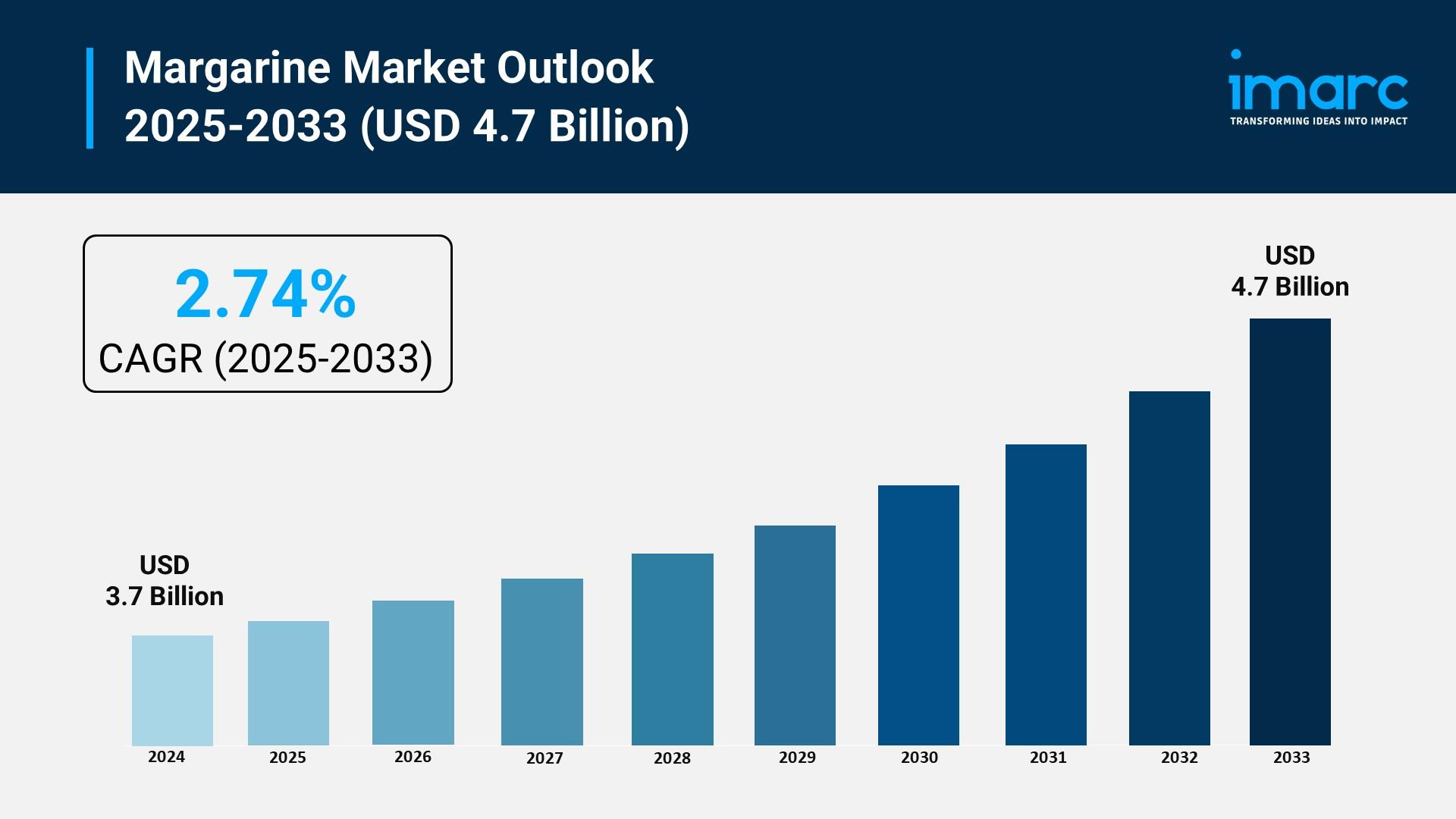
Market Overview: The margarine market is experiencing rapid growth, driven by rising global demand for plant-based and vegan alternatives, increased consumption in the food processing and bakery industry, and consumer focus on health, wellness, and functional foods. According to IMARC Group’s latest research publication, “Margarine Market: Global Industry Trends, Share, Size,...
Performance Polyolefins Market Growth Analysis Through 2035 Market Overview Performance polyolefins represent a specialized category of advanced polymer materials engineered to deliver superior mechanical properties, thermal stability, chemical resistance, and processing characteristics compared to standard polyolefins. These high-performance materials—available in films, injection...

"Asia-Pacific Composite bearings Market Summary: According to the latest report published by Data Bridge Market Research, the Asia-Pacific Composite bearings Market The Asia-Pacific composite bearings market size was valued at USD 2.18 billion in 2025 and is expected to reach USD 3.69 billion by 2033, at a CAGR of 6.8% during the forecast period An influential Asia-Pacific Composite...