IATF 16949 Internal Auditor Training: Enhancing Audit Competence in the Automotive Industry
Introduction
The automotive industry operates in a highly competitive environment where quality, reliability, and customer satisfaction are essential for success. Automotive manufacturers and suppliers must consistently meet stringent quality requirements while ensuring compliance with industry standards. One of the most important standards for automotive quality management is IATF 16949, which establishes requirements for a Quality Management System (QMS) specific to the automotive sector. IATF 16949 Internal Auditor Training is designed to provide professionals with the knowledge and practical skills needed to assess the effectiveness of a quality management system through internal audits. The training helps organizations maintain compliance, improve operational performance, and support continual improvement initiatives across the entire automotive supply chain.
IATF 16949 is based on ISO 9001 and includes additional requirements tailored to the automotive industry. It emphasizes defect prevention, process efficiency, risk management, customer-specific requirements, and continuous improvement. The standard is widely adopted by automotive manufacturers, component suppliers, and service providers worldwide to ensure consistent product quality and customer satisfaction.
Internal auditing is a key element of the IATF 16949 framework. Internal audits provide organizations with a systematic method for evaluating whether their quality management system is functioning effectively and meeting established requirements. Through regular audits, organizations can identify weaknesses, detect nonconformities, and implement corrective actions before issues affect customers or production processes.
IATF 16949 Internal Auditor Training equips participants with a detailed understanding of the standard and the principles of quality management auditing. The course covers essential topics such as audit planning, process-based auditing, risk assessment, audit execution, evidence collection, reporting, and corrective action verification. Participants learn how to conduct audits objectively and consistently while maintaining professional integrity.
One of the primary benefits of the training is the development of practical auditing skills. Participants learn how to prepare audit schedules, create audit checklists, interview employees, review documentation, and evaluate process performance. These skills enable auditors to identify areas where improvements can be made and verify that quality objectives are being achieved.
The training also focuses on process effectiveness and risk-based thinking, which are fundamental requirements of IATF 16949. Auditors learn how to assess whether processes are capable of delivering expected results and how risks are identified and managed within the organization. This approach helps companies prevent quality issues rather than simply reacting to them after they occur.
Organizations that invest in internal auditor training benefit from stronger quality systems and improved operational performance. Qualified auditors help ensure compliance with customer requirements, industry regulations, and certification standards. Effective audits contribute to reduced defects, lower costs, improved efficiency, and enhanced customer satisfaction.
For professionals, IATF 16949 Internal Auditor Training offers significant career advantages. The automotive sector values individuals who can support quality management initiatives and contribute to continual improvement. Certified internal auditors often pursue careers in quality assurance, supplier quality management, manufacturing excellence, compliance, and operational improvement.
In conclusion, IATF 16949 Internal Auditor Training is an essential program for professionals seeking to strengthen their auditing capabilities within the automotive industry. By understanding the requirements of IATF 16949 and mastering audit techniques, participants can help organizations improve quality performance, maintain certification, and achieve customer satisfaction. The training serves as a valuable investment in both professional growth and organizational excellence, supporting long-term success in the global automotive marketplace.
Categorías
Read More
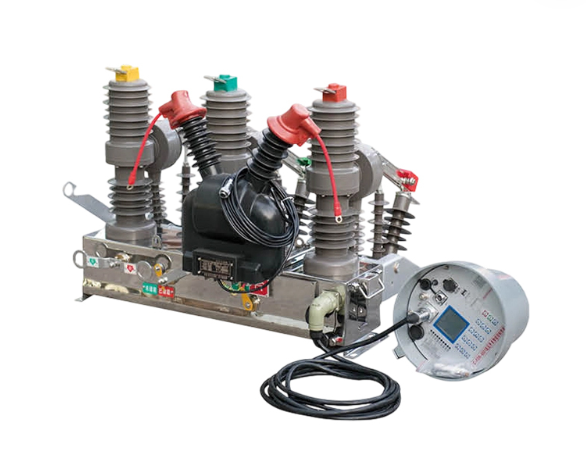
Vacuum Circuit Breaker solutions are commonly applied in medium-voltage infrastructure projects where controlled switching and system coordination are required. In these applications, the Vacuum Circuit Breaker helps manage electrical faults while supporting stable network operation. Within substations and industrial plants, vacuum circuit breakers are used to protect feeders, motors, and...
The United States Appointment Scheduling Software Market is experiencing significant growth, driven by the increasing adoption of digital technologies across healthcare, retail, education, professional services, and other customer-facing industries. Organizations are increasingly implementing appointment scheduling solutions to streamline booking processes, improve operational efficiency,...

Data Center UPS Systems: Ensuring Reliable Power for Modern Digital Infrastructure The growing adoption of cloud computing, AI workloads, and hyperscale facilities has significantly increased the demand for reliable critical power infrastructure across industries. As organizations continue to depend on uninterrupted digital operations, data center UPS systems have become essential for...

According to the latest report published by Data Bridge Market Research, the Asia-Pacific Medical Device Outsourcing Market The Asia-Pacific medical device outsourcing market size was valued at USD 76.2 billion in 2025 and is expected to reach USD 194.12 billion by 2033, at a CAGR of12.40% during the forecast period An all inclusive Asia-Pacific Medical Device Outsourcing...

While many companies scramble at the end of the season searching for meaningful holiday gifts, forward thinking organizations are already finalizing their strategies this month. According to Harvard Business Review research on workplace recognition, the most successful corporate gifting initiatives share a common characteristic. They begin planning months before the actual holiday season...