Parenting Plan Mediation vs Court Proceedings: Which Option Is Best for Families?

When parents separate or divorce, deciding how to resolve parenting disputes can be one of the most important choices they face. Two common options are Parenting Plan Mediation and court proceedings. While both approaches aim to establish arrangements for children, they differ significantly in terms of process, cost, time, and impact on family relationships. Understanding these differences can help families determine which option best suits their needs.
Understanding Parenting Plan Mediation
Parenting Plan Mediation is a confidential and collaborative process in which separated or divorced parents work with an independent mediator to develop parenting arrangements for their children. The mediator facilitates discussions, encourages constructive communication, and helps parents reach mutually acceptable agreements.
Mediation focuses on cooperation, flexibility, and the best interests of the children.
Understanding Court Proceedings
Court proceedings involve presenting parenting disputes before a judge, who ultimately makes decisions regarding parenting arrangements. The court process is formal and governed by legal procedures and legislation.
While court intervention may be necessary in some situations, litigation can often be lengthy, expensive, and emotionally demanding for families.
Parenting Plan Mediation vs Court Proceedings
1. Decision-Making Authority
Mediation: Parents maintain control over the decision-making process. They work together to create agreements that reflect their family's unique circumstances.
Court: A judge makes the final decisions, which may not always align with either parent's preferences.
2. Focus on Cooperation
Mediation: Encourages collaboration, open communication, and problem-solving between parents.
Court: The legal process can be adversarial, sometimes increasing conflict and tension between parties.
3. Cost Considerations
Mediation: Generally costs less than litigation because fewer legal procedures are involved.
Court: Legal fees, court appearances, and lengthy proceedings can significantly increase costs.
4. Time Required
Mediation: Many parenting issues can be resolved within a relatively short period, depending on the complexity of the matters involved.
Court: Court cases may take months or even years to reach a final outcome due to scheduling delays and legal processes.
5. Privacy and Confidentiality
Mediation: Sessions are typically private and confidential, allowing parents to discuss sensitive family matters openly.
Court: Court proceedings are formal legal processes, and certain aspects may become part of the public record.
6. Flexibility of Arrangements
Mediation: Parents can create highly customized parenting plans that suit their children's specific needs and family routines.
Court: Court orders may be less flexible and are often based on legal frameworks rather than individual family preferences.
When Mediation May Be the Best Option
Parenting Plan Mediation is often beneficial when:
-
Both parents are willing to communicate and negotiate.
-
Parents wish to maintain a cooperative co-parenting relationship.
-
Families want flexible and personalized arrangements.
-
Reducing conflict and protecting children's wellbeing is a priority.
When Court Proceedings May Be Necessary
Court involvement may be appropriate in situations involving:
-
Family violence or abuse concerns
-
Significant power imbalances between parents
-
Child safety risks
-
Failure to reach agreement through mediation
-
Urgent parenting disputes requiring immediate legal intervention
In some cases, families may attempt mediation first and only proceed to court if an agreement cannot be reached.
The Impact on Children
Children often benefit when parents can resolve disputes cooperatively and minimize conflict. Mediation generally promotes child-focused decision-making and helps preserve positive relationships between parents.
However, court intervention may be essential when children's safety or welfare is at risk. Ultimately, the best option is the one that protects children's wellbeing and supports their long-term stability.
Conclusion
Both Parenting Plan Mediation and court proceedings play important roles in resolving parenting disputes. Mediation offers a collaborative, cost-effective, and flexible approach that allows parents to remain actively involved in decision-making. Court proceedings provide legal authority and protection when more serious issues arise.
For many families, Parenting Plan Mediation is an effective first step toward creating child-focused parenting arrangements while preserving positive co-parenting relationships. Choosing the right option depends on each family's unique circumstances and the needs of their children.
Nach Verein filtern
Read More
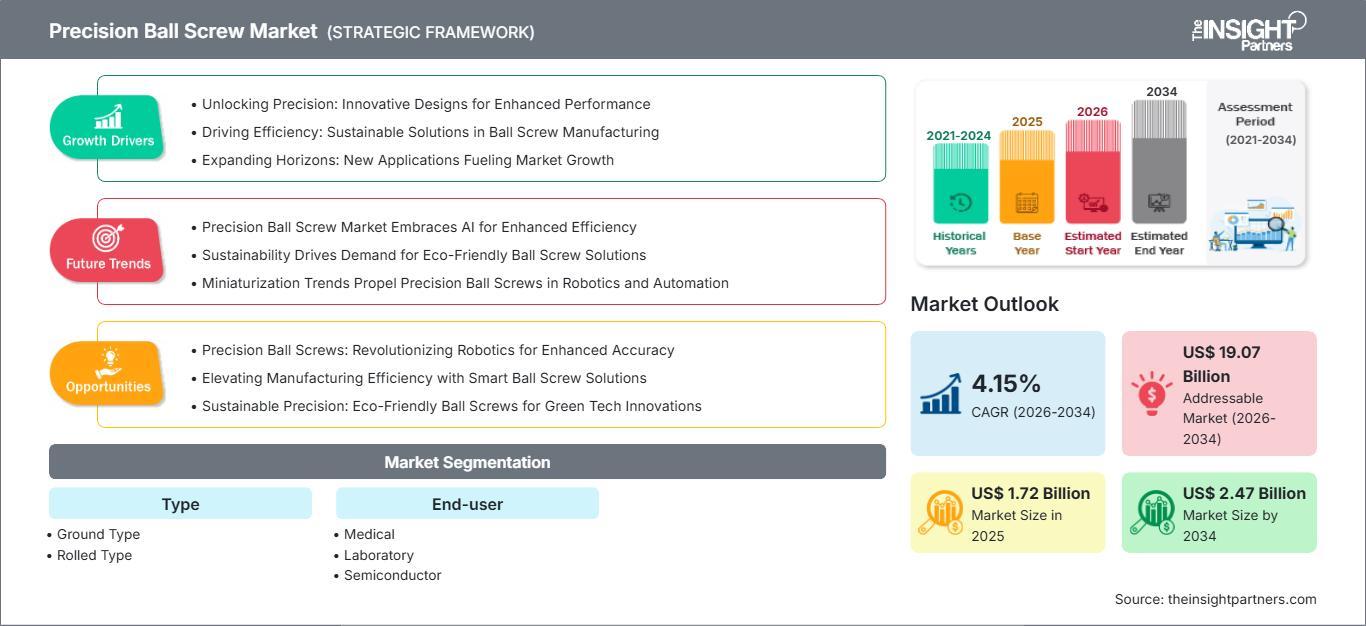
The global Precision Ball Screw Market industrial automation sector is undergoing rapid transformation with increasing adoption of advanced motion control technologies across manufacturing, automotive, aerospace, healthcare, and semiconductor industries. Precision ball screws have emerged as essential mechanical components used for converting rotary motion into precise linear movement with high...
Pressure control equipment plays a vital role in maintaining safe and efficient operations across industries that handle high-pressure systems and critical fluid management processes. These solutions are widely used in oil and gas exploration, drilling operations, petrochemical facilities, power generation, manufacturing, mining, and industrial processing plants. Designed to regulate pressure,...

The Aircraft Management Systems Market is witnessing steady growth as airlines, aircraft operators, and aviation service providers increasingly adopt advanced technologies to improve operational efficiency, safety, and fleet performance. Aircraft management systems integrate multiple functions such as flight planning, maintenance tracking, fuel management, crew scheduling, regulatory...

Mental health plays a crucial role in shaping how individuals think, feel, and function in their daily lives. In today’s fast-paced environment, stress, anxiety, and emotional challenges have become increasingly common. Seeking professional help is no longer seen as a weakness but as a responsible step toward overall well-being. Effective mental health care focuses on identifying...
Bangalore Escorts Make The Experience Batter Bangalore Escorts Will Treat You Like A Gentleman. Book Oral Sex Services, Blowjobs And Sensual Massages From These Ladies For Maximum Pleasure. Additionally, Outcall Service Options Allow Them To Come Directly To Your Hotel Room, Upscale Club Membership Or Private Home. But The City Also Offers A Vibrant Nightlife Scene Featuring Numerous...