


Strengthening Enterprise Security with Identity Governance and Administration Solutions
As organizations continue to expand their digital infrastructure, managing user identities and access rights has become one of the most important aspects of enterprise security. Businesses today operate across cloud environments, remote workspaces, third-party applications, and hybrid networks, creating a complex landscape of users and permissions.
In this environment, protecting sensitive information requires more than traditional security measures. Organizations need complete visibility into who has access to critical systems, why they have that access, and whether those permissions remain appropriate over time. This is where identity governance and administration plays a vital role.
By implementing modern identity governance and administration solutions and leveraging advanced identity governance and administration tools, businesses can strengthen security, improve compliance, and reduce the risks associated with unauthorized access.
Understanding Identity Governance and Administration
Identity governance and administration is a framework that helps organizations manage digital identities and control user access across systems, applications, and data resources.
The governance aspect focuses on policies, oversight, compliance, and risk management. The administration aspect manages the lifecycle of user identities, including provisioning, modifying, and removing access rights.
Together, these capabilities ensure that employees, contractors, vendors, and partners have access only to the resources they need to perform their responsibilities.
As organizations grow and adopt new technologies, identity governance becomes essential for maintaining security while supporting operational efficiency.
Why Enterprise Security Depends on Access Management
Cybersecurity threats continue to evolve, but many security incidents are linked to poor access management. Excessive permissions, dormant accounts, and outdated access rights can create vulnerabilities that attackers may exploit.
Without proper oversight, organizations may struggle to answer critical questions such as:
- Who has access to sensitive systems?
- Are users accessing resources they no longer need?
- Have former employees been completely removed from the environment?
- Are access policies being enforced consistently?
Identity governance and administration solutions help address these challenges by providing centralized visibility and control over user access.
The Growing Need for Identity Governance and Administration Solutions
Modern enterprises often manage thousands of users across dozens or even hundreds of applications. Manual access management processes can quickly become difficult to maintain.
This is why organizations are increasingly investing in identity governance and administration solutions. These solutions automate key processes and provide a structured approach to access control.
By centralizing identity management, organizations gain greater visibility into permissions while reducing administrative burdens.
As digital environments continue to expand, identity governance solutions provide the scalability needed to support long-term growth without compromising security.
How Identity Governance and Administration Tools Enhance Security
Effective identity governance and administration tools help organizations strengthen security through automation, visibility, and policy enforcement.
Improved Visibility
One of the biggest challenges in enterprise security is understanding who has access to what resources.
Identity governance tools provide a centralized view of user identities, permissions, and access activities. This visibility allows administrators to identify excessive privileges, inactive accounts, and unusual access patterns before they become security concerns.
Automated User Lifecycle Management
Managing user access manually increases the risk of errors and delays.
Identity governance solutions automate key lifecycle events such as:
- Employee onboarding
- Department transfers
- Role changes
- Contractor access management
- Employee offboarding
Automation ensures that users receive appropriate access when needed and that permissions are removed when they are no longer required.
Role-Based Access Control
A core principle of strong security is granting users only the access necessary to perform their jobs.
Identity governance tools support role-based access control, allowing organizations to assign permissions based on job functions rather than individual requests.
This approach reduces excessive privileges and helps maintain consistent access policies across the organization.
Supporting Compliance and Governance
Compliance remains a major concern for businesses operating in regulated industries. Many regulations require organizations to demonstrate effective access controls and maintain detailed records of user activity.
Identity governance and administration solutions simplify compliance efforts by providing:
- Access certification workflows
- Audit-ready reporting
- Automated access reviews
- Policy enforcement capabilities
- Access request and approval tracking
These features help organizations demonstrate accountability while reducing the effort required to prepare for audits.
With comprehensive reporting and documentation, businesses can maintain stronger governance practices and meet regulatory requirements more efficiently.
Reducing Insider Risks
External attacks often receive significant attention, but insider threats can be equally damaging. Employees or contractors with excessive access may unintentionally expose sensitive information or create security vulnerabilities.
Identity governance solutions help reduce these risks by continuously monitoring access rights and ensuring permissions remain aligned with business needs.
Regular access reviews allow organizations to identify and remove unnecessary privileges before they become security concerns.
This proactive approach helps minimize risk while improving overall security posture.
Improving Operational Efficiency
Beyond security and compliance benefits, identity governance and administration tools contribute to operational efficiency.
Manual access management often involves multiple approvals, repetitive tasks, and lengthy provisioning processes. These inefficiencies can slow productivity and increase administrative workloads.
Automation streamlines these processes, enabling:
- Faster access provisioning
- Reduced help desk requests
- Consistent policy enforcement
- Simplified administration
- Improved user experiences
As a result, IT teams can focus on strategic initiatives while maintaining strong security controls.
Key Features to Look for in Identity Governance and Administration Tools
Organizations evaluating identity governance solutions should look for features that support both security and business objectives.
Important capabilities include:
- Automated provisioning and deprovisioning
- Access request management
- Role-based access control
- Access certification and reviews
- Compliance reporting
- Risk analysis and monitoring
- Integration with cloud and on-premises systems
These features help create a comprehensive identity management framework that supports long-term enterprise security goals.
The Future of Enterprise Security
As organizations continue to adopt cloud technologies, remote work models, and digital transformation initiatives, identity management will become even more important.
Traditional perimeter-based security models are no longer sufficient in environments where users access systems from multiple locations and devices.
Identity governance and administration provides the visibility, control, and automation needed to secure modern enterprises. Organizations that invest in advanced identity governance and administration solutions today will be better prepared to address future security challenges while maintaining operational flexibility.
Conclusion
Enterprise security depends on more than protecting networks and devices. It requires a structured approach to managing identities and controlling access to critical resources.
Identity governance and administration enables organizations to strengthen security, improve compliance, and reduce operational risks through better access management. By implementing comprehensive identity governance and administration solutions and utilizing advanced identity governance and administration tools, businesses can create a secure and scalable foundation for growth.
As digital environments become increasingly complex, identity governance will continue to play a central role in protecting enterprise assets and supporting long-term business success.
Categorie
Leggi tutto
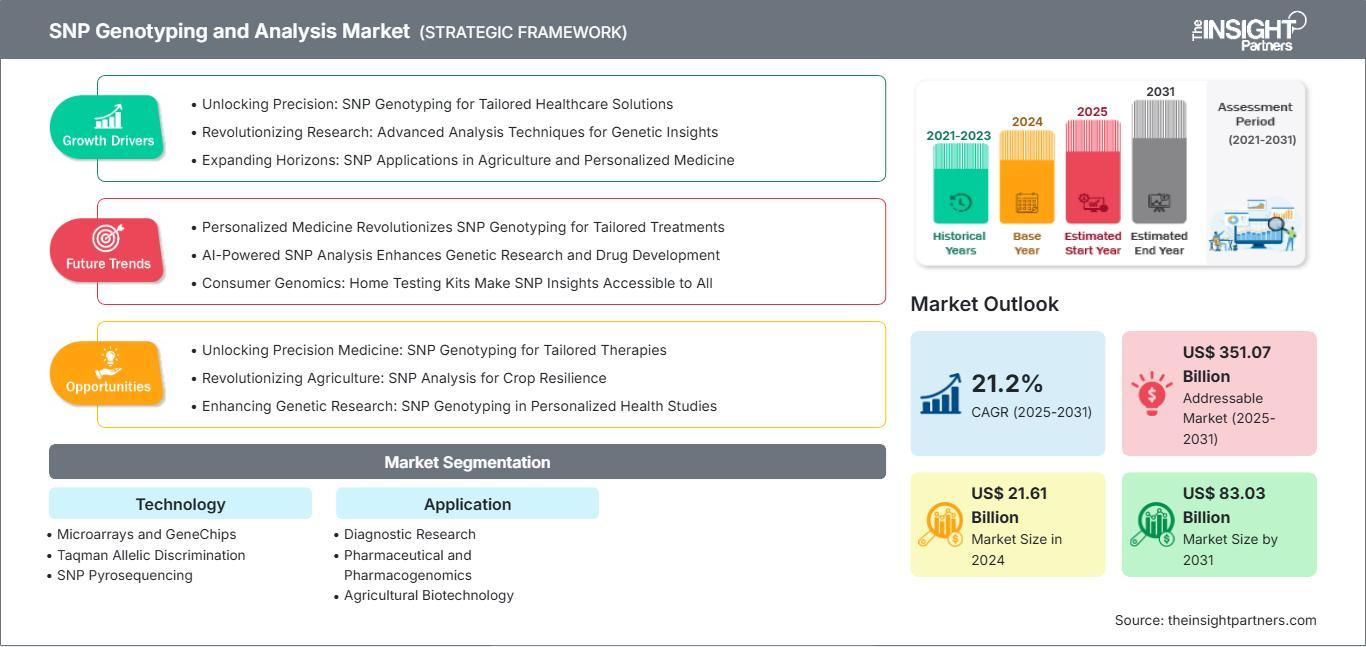
The global SNP Genotyping and Analysis Market is witnessing robust expansion, driven by the increasing adoption of precision medicine, advancements in genomic technologies, and rising demand for high-throughput genetic testing solutions. Single Nucleotide Polymorphism (SNP) genotyping plays a critical role in identifying genetic variations associated with disease susceptibility, drug response,...
Making BACB BCBA Exam Study Simple and Stress-Free Preparing for the BACB BCBA exam does not have to feel stressful or confusing. Many students struggle because they study too much without a clear plan. They read many resources but still feel unsure about what really matters for the exam. Choosing clear and trusted BACB BCBA study material makes preparation simple, focused, and more effective....

Polaris Market Research has published a brand-new report titled Gluten-Free Breakfast Cereals Market Share, Size, Trends, Industry Analysis Report, By Type (Hot Cereal, Ready to Eat Cereal); By Consumer Category; By Distribution Channel; By Region; Segment Forecast, 2023 - 2032 that includes extensive information and analysis of the industry dynamics. The opportunities and challenges...

"Future of Executive Summary Middle East and Africa Road Safety Market: Size and Share Dynamics The Middle East and Africa Road Safety Market size was valued at USD 415.2 million in 2024 and is expected to reach USD 815.25 million by 2032, at a CAGR of 8.80% during the forecast period. The Middle East and Africa Road Safety report encompasses the key...
When it comes to purchasing fine jewelry, quality, authenticity, and craftsmanship matter the most. Whether you're shopping for a timeless necklace, an elegant bracelet, a stunning engagement ring, or a meaningful gift, choosing the right jeweler makes all the difference. If you're searching for the best place to buy 14K gold jewelry in Texas, USA, Gold and Diamond Jewelers is a...
