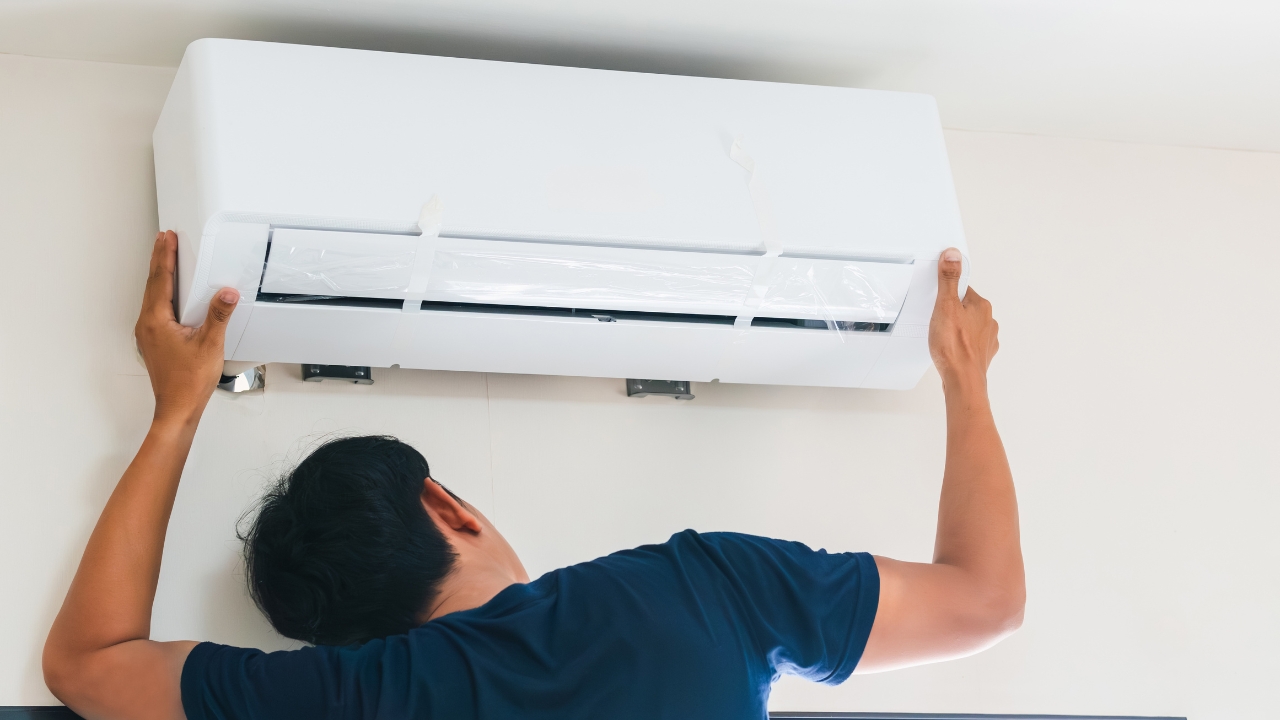
Heating, Ventilation, and Air Conditioning (HVAC) systems play a critical role in maintaining indoor comfort, air quality, and energy efficiency across both residential and commercial environments. As energy costs continue to rise and sustainability becomes a priority, optimizing HVAC performance is no longer optional—it is essential. Poorly maintained or inefficient HVAC systems not only lead to higher utility bills but also reduce system lifespan and compromise indoor air quality.
Improving HVAC performance requires a combination of proper maintenance practices, system optimization techniques, and smart operational strategies. This article explores expert-approved methods that help enhance HVAC efficiency, reduce operational costs, and ensure long-term reliability in both homes and commercial buildings.
Understanding the Importance of HVAC Efficiency
Before implementing improvement methods, it is important to understand why HVAC efficiency matters. An HVAC system accounts for a significant share of a building’s total energy use, typically 40% to 60% in commercial spaces and 30% to 50% in residential properties. Even minor inefficiencies can lead to substantial financial losses over time.
An efficient HVAC system ensures consistent temperature control, improved humidity regulation, and better air filtration. It also reduces strain on system components, thereby extending equipment lifespan and minimizing repair frequency. In commercial settings, optimized HVAC performance directly impacts employee productivity and customer comfort, making it a crucial operational factor.
Regular Maintenance as the Foundation of Performance
One of the most effective ways to improve HVAC performance is through consistent and preventive maintenance. Over time, dust buildup, clogged filters, and worn-out components reduce system efficiency.
Routine maintenance typically includes cleaning or replacing air filters, inspecting ductwork for leaks, checking refrigerant levels, and ensuring that electrical components are functioning properly. When filters become dirty, airflow is restricted, forcing the system to work harder and consume more energy. Regular filter replacement ensures smooth airflow and improved indoor air quality.
Additionally, scheduled professional inspections help identify early signs of wear and tear before they escalate into major issues. This proactive approach not only improves performance but also prevents unexpected system failures.
NOTE:- We completed AC Installation And Maintenance Dubai services for residential and commercial clients with precision and efficiency. Our team ensured optimal cooling performance and energy savings through expert handling and quality materials. For reliable service, contact AC Pro for professional HVAC solutions tailored to your needs and always AC Pro.
Optimizing Airflow for Balanced Performance
Proper airflow is essential for HVAC systems to function efficiently. Uneven airflow can cause hot or cold spots within a building, leading to discomfort and unnecessary energy consumption.
Air ducts should be inspected for leaks, blockages, or poor insulation. Even small leaks can significantly reduce system efficiency by allowing conditioned air to escape before it reaches the intended spaces. Sealing ductwork improves airflow distribution and reduces energy loss.
Furniture placement also affects airflow efficiency in residential spaces. Blocking vents or returns restricts circulation, forcing the system to work harder. Ensuring that vents remain unobstructed allows for balanced temperature distribution throughout the building.
Upgrading to Smart Thermostat Technology
Modern HVAC optimization increasingly relies on smart technology. Smart thermostats allow users to control indoor temperatures with greater precision and automation. These devices learn usage patterns and adjust settings automatically to maximize comfort while minimizing energy consumption.
In commercial environments, programmable thermostats help manage heating and cooling schedules based on occupancy levels. For example, systems can be reduced during non-working hours and activated shortly before employees arrive.
Smart thermostats also provide real-time energy usage data, enabling users to identify inefficiencies and make informed adjustments. This level of control significantly improves HVAC performance and reduces unnecessary energy waste.
Improving Insulation and Building Envelope Efficiency
The efficiency of an HVAC system is heavily influenced by the building’s insulation quality. Poor insulation allows heat exchange between indoor and outdoor environments, forcing HVAC systems to work harder to maintain desired temperatures.
Walls, roofs, windows, and doors should be properly insulated to minimize thermal loss. Double-glazed windows, insulated roofing materials, and weather-stripping around doors are highly effective in maintaining indoor temperature stability.
In commercial buildings, insulation upgrades can yield substantial energy savings, especially in large spaces with high heating or cooling loads. A well-sealed building envelope reduces strain on HVAC systems and enhances overall performance.
Ensuring Proper Refrigerant Levels and System Calibration
Refrigerant is a key component in cooling systems, and incorrect levels can significantly impact HVAC performance. Low refrigerant levels reduce cooling efficiency, while overcharging can damage system components.
Regular inspection of refrigerant levels ensures that the system operates within manufacturer-recommended parameters. Any leaks should be identified and repaired immediately to prevent environmental harm and performance degradation.
System calibration is equally important. HVAC systems must be properly tuned to ensure accurate temperature control and efficient operation. Professional technicians use specialized tools to calibrate thermostats, sensors, and control systems for optimal performance.
Enhancing Indoor Air Quality for Better System Efficiency
Indoor air quality (IAQ) directly impacts HVAC performance. Dust, allergens, and pollutants can accumulate within the system, reducing airflow and increasing strain on components.
Installing high-quality air filters improves filtration efficiency and protects internal components from contamination. In commercial environments, advanced air purification systems may be required to maintain healthy air standards.
Humidity control is another critical factor. Excess humidity can make cooling systems work harder, while overly dry air can affect comfort levels. Maintaining balanced humidity improves both comfort and HVAC efficiency.
Conducting Seasonal HVAC Inspections
Seasonal changes place varying demands on HVAC systems. Preparing the system before peak summer or winter seasons ensures optimal performance when demand is highest.
Pre-season inspections typically involve checking heating elements, cooling coils, thermostat accuracy, and airflow efficiency. Identifying and addressing issues before peak usage prevents system overload and breakdowns.
In commercial spaces, seasonal maintenance is especially important given continuous system use. Scheduled inspections help maintain uninterrupted operations and reduce emergency repair costs.
Utilizing Energy-Efficient HVAC Equipment
Older HVAC systems tend to consume more energy and offer lower efficiency compared to modern units. Upgrading to energy-efficient models can significantly improve performance and reduce long-term operational costs.
Modern HVAC systems are designed with advanced compressors, variable-speed motors, and improved heat-exchange technologies. These features enable systems to adjust output in response to real-time demand, reducing energy waste.
Energy-efficient systems also comply with updated environmental standards, making them a sustainable choice for both residential and commercial applications.
Managing Load Distribution in Commercial HVAC Systems
In commercial environments, HVAC systems often serve multiple zones with different temperature requirements. Improper load distribution can lead to inefficiencies and uneven cooling or heating.
Zoning systems allow different areas of a building to be controlled independently. This ensures that energy is not wasted on unoccupied or low-priority areas.
Load balancing also involves ensuring that HVAC units are not overburdened. Distributing demand evenly across multiple systems enhances performance and extends equipment lifespan.
Reducing Heat Gain and Internal Load
Heat gain from lighting, equipment, and sunlight can significantly impact HVAC efficiency. Managing internal heat sources helps reduce system workload.
Energy-efficient lighting, such as LED fixtures, generates less heat compared to traditional bulbs. Similarly, minimizing the use of heat-producing equipment during peak hours can reduce cooling demands.
Window treatments, such as blinds or reflective films, help control solar heat gain, especially in buildings with large glass areas. These small adjustments contribute significantly to overall HVAC performance.
Importance of Professional HVAC Servicing
While basic maintenance can be performed regularly, professional servicing is essential for in-depth system evaluation. Certified technicians have the expertise and tools to diagnose complex issues that may not be visible during routine checks.
Professional servicing includes system diagnostics, coil deep cleaning, electrical testing, and performance benchmarking. These services ensure that the HVAC system operates at peak efficiency.
In commercial settings, partnering with HVAC service providers ensures compliance with safety regulations and reduces the risk of system downtime.
Conclusion
Improving HVAC performance in residential and commercial spaces requires a comprehensive approach that combines maintenance, technology, and smart operational practices. From optimizing airflow and upgrading insulation to integrating smart thermostats and ensuring professional servicing, each method plays a vital role in enhancing system efficiency.
A well-maintained and properly optimized HVAC system not only reduces energy consumption but also improves indoor comfort, extends equipment lifespan, and supports sustainable building operations. By adopting these expert-approved strategies, property owners and facility managers can ensure long-term performance and reliability in any environment.