


Vector to Stitch: What Separates Automated Software from Expert Embroidery Digitizing Services

Introduction
Embroidery has evolved immensely over recent years. Today, smart businesses convert logos and complex artwork into stitch files effortlessly. Modern apps turn vectors into clean files that embroidery machines read right away. This rapid pace makes production simpler than ever before.
However, many shops quickly notice that software alone often drops the ball. That is exactly why top companies still trust expert embroidery digitizing services for premium results. Automated tools just plot basic paths. Real human digitizers bring years of street-smart experience to ensure smooth production.
The real gap between a mediocre sew-out and a stunning masterpiece relies entirely on the digitizing process. In this guide, we will break down what splits automation from human mastery. You will see why real designers still rule the field.
Understanding the Journey from Vector to Stitch
A clean vector file is usually the starting line for any project. Vector graphics use math lines and curves that you can scale without creating pixelated messes. Common formats include AI, EPS, SVG, and PDFs.
Your computer screen displays vectors beautifully. But embroidery machines do not care about vector paths at all. They only read physical stitch commands. Therefore, you must translate artwork into real machine coordinates before hitting start.
This technical translation process is called embroidery digitizing.
Every single design needs serious human analysis. Automated math equations simply cannot predict how physical fabric shifts.
During this workflow, the digitizer maps out every single shape from scratch. They decide stitch styles, path directions, and structural densities. They also calculate underlay systems and compensation rules.
Flawless files guarantee a pristine sew-out. Bad formatting leads to thread breaks, shifting gaps, and ruined garments.
What Is Automated Embroidery Digitizing Software?
Auto-digitizing software uses preset mathematical equations to convert artwork. The system scans colors, shapes, and borders to generate stitch paths instantly.
Most modern design suites include these quick-fix features now. Creators use them to save precious time and bypass tedious manual plotting.
For incredibly basic shapes, automated solutions offer a decent starting point. You drag an image file in, click a button, and print your design.
It feels incredibly fast and convenient, especially for total beginners lacking deep industry training.
Sadly, pure speed rarely translates to high-end craftsmanship.
How Automated Software Creates Stitch Files
The machine program simply follows a rigid set of rules. It identifies pixels and builds paths based on generic default values.
The system picks stitch styles according to basic shape geometry. It dumps standard density levels and regular underlays everywhere.
This robotic math works fine for flat, simple clip art. However, algorithms fail to understand how organic fabric actually stretches during production.
Every textile reacts differently under a moving needle. A file built for a heavy polo shirt will fail on a flexible cap or fluffy towel.
Computers lack real intuition. They cannot adjust paths for real-world variables.
The Limitations of Automated Digitizing
Many machine operators learn about these software flaws the hard way.
Programs focus purely on lines and colors, ignoring actual machine performance. Your layout looks gorgeous on a monitor but turns into a total disaster on the fabric.
Tiny design elements vanish instantly. Crisp, small lettering turns into an unreadable blob. Thin satin borders slip right off. Heavy fills warp the garment out of shape.
Computers also panic when handling gradient blends or intricate overlapping patterns.
Without manual fine-tuning, you end up with low-grade merchandise.
What Are Professional Embroidery Digitizing Services?
Professional digitizing depends on highly trained specialists who draw every single stitch line manually.
Instead of hitting an auto-convert button, real pros dissect the artwork piece by piece first.
Every custom order gets treated like an individual puzzle. The artist carefully reviews fabric types, pulling forces, and machine speeds. They balance thread counts and target specific factory specs.
This careful human touch ensures highly reliable production runs.
Professional creators know how threads interact with moving cloth. They kill production problems before they ever reach the hoop.
This deep industry wisdom elevates the entire finished product.
Why Human Expertise Still Matters
Embroidery is a beautiful mix of technical science and tactile art.
An app can throw stitches down, but it cannot mimic human eyes.
Experienced pros guide the natural flow of thread across a garment. They know exactly where jersey knit will pull or pucker during high-speed sewing. They spot structural flaws a mile away.
Decades of hands-on work teach them little tricks that code cannot learn.
These micro-adjustments maximize clarity and keep your embroidery looking incredibly premium.
Understanding Stitch Direction
Stitch direction is a massive playground where expert creators shine bright.
The angle of a stitch alters how light bounces off the thread. It defines the texture and depth of the physical logo.
Basic software uses flat, uniform angles across the whole image. This creates boring, one-dimensional results.
Human digitizers alter stitch angles strategically to create realistic depth. They build beautiful contrast and smooth transitions between shapes.
This sharp attention to detail separates amateur gear from elite retail brands.
Managing Stitch Density
Stitch density measures how tightly packed your threads are.
Too many punctures make a design stiff as a board, causing ugly puckers. Too few stitches reveal gaps and let background fabric peak through.
Software defaults stick to standard averages every single time. Those generic settings rarely match unique, lightweight materials.
A real human balances the density to fit the exact fabric blend.
This creates comfortable, wearable clothing that retains its shape after washing.
The Importance of Underlay
Underlay stitches act like the solid concrete foundation of a house.
They secure the fabric down and hold the top details perfectly straight.
Generic software drops random, basic underlay lines without checking the design needs.
Human digitizers customize underlay structures specifically for each project. This builds a rock-solid base and makes top satin stitches pop beautifully.
Solid underlay stops unwanted fabric shifting dead in its tracks.
Improving Machine Efficiency
Clean digitizing preserves your physical hardware while speeding up production.
Messy files cause endless thread breaks, crazy jump cuts, and frequent machine stops.
These constant interruptions kill your hourly output and frustrate operators.
Human digitizers streamline sewing sequences to minimize unnecessary movement.
Your machines run smoothly with zero pointless stops.
For commercial embroidery shops, this keeps money in your pocket.
Handling Complex Logos and Artwork
Modern corporate logos feature tiny text and complex graphical details.
Automated conversion apps completely ruin these delicate elements.
Pro digitizers know how to simplify busy art without losing the brand's core soul.
They scale down complex sections while maintaining crucial focal points perfectly.
This clever balance delivers crisp embroidery that protects your corporate client's image.
Real-World Experience Makes a Difference
After thousands of sew-outs on various setups, veteran digitizers develop a sixth sense.
They know exactly what works on a machine.
This deep background knowledge lets them tweak files on the fly.
A master digitizer predicts a thread break before the needle even touches the garment.
That level of mastery cannot be coded into a standard app download.
Quality Control and Testing
Real human agencies offer a massive benefit called strict quality control.
Most premium digitizers sew out test samples before emailing the final files.
This lets them fix minor registration errors prior to your live production run.
Automated tools just generate data and export files instantly.
You only find out something is broken after destroying an expensive jacket.
Human testing provides absolute peace of mind.
Which Option Is Best for Businesses?
Your ultimate choice depends on your specific quality standards.
For ultra-simple, non-commercial hobby projects, free software features work fine.
But if you value your business reputation, go with real pros.
Uniforms and promotional gear represent your public face. Ugly, sloppy stitching damages your credibility fast.
Paying for custom digitizing ensures elite durability and a high-end corporate look.
The long-term savings in production time easily justify the minor setup cost.
Final Thoughts
Automated embroidery programs definitely made basic digitizing faster. They tackle simple shapes quickly and offer a cheap solution for beginners. Yet, math formulas still fail at handling physical fabric physics and detailed design optimization.
Custom embroidery digitizing remains the gold standard for high-end shops. Real people bring unmatched technical wisdom and sharp focus that computers cannot match. Their ability to modify paths, boost machine speeds, and match fabrics creates spectacular apparel.
When top-tier quality is your goal, human hands make the ultimate difference. Do not settle for robotic mistakes. Click right here to get flawless stitch-ready files for your shop today!
Categorias
Leia mais
Few packaging materials carry the same weight of consumer trust that glass does. The Glass Packaging Market is forecast to climb from US$ 84.07 Billion in 2025 to US$ 123.47 Billion by 2034, registering a steady CAGR of 4.36% during the forecast period 2026–2034. Inert, infinitely recyclable, and visually premium, glass is holding its ground against plastic alternatives at precisely the...

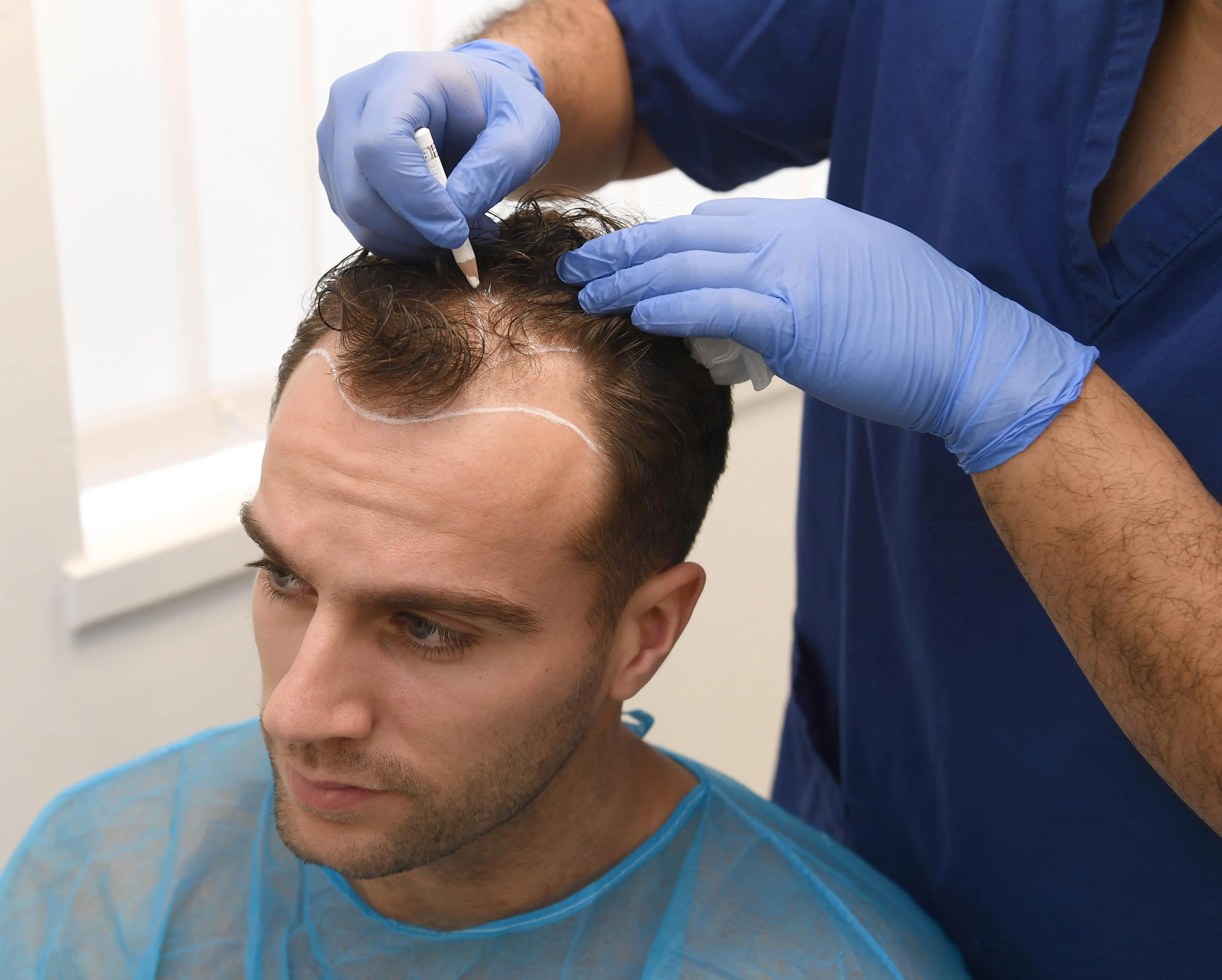
Choosing between Follicular Unit Transplantation (FUT) and Follicular Unit Extraction (FUE) is one of the most critical decisions a patienthair transplnat cost in Riyadh(تكلفة زراعة الشعر في الرياض) will make. While both techniques provide permanent results, their price points differ significantly due to the time, labor, and technology involved. In the Riyadh market, FUT is generally...
In today’s professional world, your email signature is more than just a name at the bottom of a message; it's your digital business card. Whether you’ve recently changed your job title, updated your phone number, or simply want a fresh look, knowing how to change signature in outlook is an essential skill. In this comprehensive guide, we will walk you through the process for...

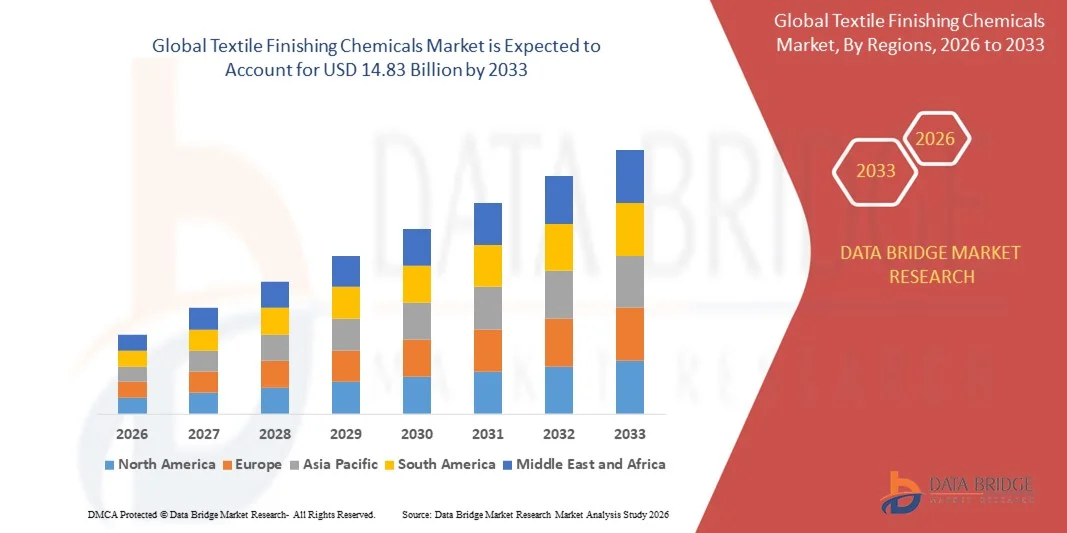
"Textile Finishing Chemicals Market Summary: According to the latest report published by Data Bridge Market Research, the Textile Finishing Chemicals Market The global textile finishing chemicals market size was valued at USD 9.81 billion in 2025 and is expected to reach USD 14.83 billion by 2033, at a CAGR of 5.30% during the forecast period All the data...
The global polyaspartic coatings industry is benefiting from rising investments in infrastructure maintenance, industrial asset protection, and sustainable construction materials. Modern polyaspartic coating systems provide excellent mechanical strength, rapid curing under varying environmental conditions, superior color retention, and long-term protection against chemicals, abrasion, moisture,...
