How Client Retention Management Drives Long-Term Retail Growth

Retail growth is often measured by new customer acquisition, but long-term profitability depends just as much on how well a business keeps the customers it already has. In a market where shoppers can compare prices, switch brands quickly, and share feedback instantly, retention has become one of the strongest indicators of retail resilience.
Client retention management is the discipline of keeping customers engaged, satisfied, and more likely to purchase again over time. It combines service quality, communication, personalization, issue resolution, and loyalty strategy into one ongoing process. For retailers, this is no longer just a customer service concern. It is a growth strategy.
Why Retention Matters More Than Ever in Retail
Acquiring new customers is expensive. Between advertising costs, promotions, discounts, and channel fees, the cost of winning a first purchase can be significant. If those customers never come back, the return on acquisition spending weakens quickly.
Retention improves the economics of retail by increasing customer lifetime value. A repeat customer is more likely to spend more, buy with less hesitation, respond to personalized offers, and recommend the brand to others. Over time, this creates a stronger revenue base and a more predictable growth path.
That is why retailers are investing more heavily in client retention management rather than focusing only on the top of the funnel.
Retention Starts With the Post-Purchase Experience
A customer’s decision to buy again is often shaped by what happens after checkout. Delivery communication, order tracking, returns handling, refund speed, subscription management, and issue resolution all influence whether the experience feels easy or frustrating.
When retailers manage these touchpoints well, they reduce the risk of churn. When they manage them poorly, even a successful first sale can become a one-time transaction. Retention management therefore depends on building consistency into the entire post-purchase journey, not just running a loyalty program.
Personalized Service Strengthens Repeat Purchase Behavior
One of the most effective retention drivers in retail is relevance. Customers are more likely to stay with brands that remember their preferences, recognize their buying history, and make support interactions feel informed rather than generic.
This can take many forms:
-
Personalized product recommendations
-
Tailored reorder reminders
-
Proactive communication around delays or stock changes
-
Support agents who can see previous interactions and resolve issues faster
When customer data is used effectively, retention becomes less about reacting to complaints and more about guiding customers through a smoother lifecycle.
Proactive Support Helps Prevent Silent Churn
Not every dissatisfied customer complains. In retail, many simply stop buying. This is what makes proactive retention management so important. Brands that monitor support patterns, repeat contacts, refund frequency, and order disruption signals can often intervene before a customer leaves entirely.
For example, if a shopper repeatedly contacts support about delayed deliveries or product issues, that customer is already at risk. A well-structured retention strategy can trigger follow-up outreach, service recovery, or a tailored offer designed to rebuild confidence before churn becomes permanent.
This is one reason some retailers invest in customer lifecycle management outsourcing to create more structured retention workflows across support, loyalty, and re-engagement programs.
Service Quality Directly Affects Retail Loyalty
Retention is not only about promotions or rewards. It is also about whether customers believe the brand is easy to deal with. Slow responses, unclear policies, poor escalation handling, or inconsistent answers can quietly erode trust even when the product itself is strong.
This becomes even more important when service issues are tied to account access, product troubleshooting, installation guidance, or digital purchase support. In these situations, high-quality technical customer service can play a major role in preserving customer confidence and reducing avoidable churn.
Data Turns Retention Into a Growth System
Strong retention management is not guesswork. It depends on measuring the right indicators and acting on them. Retailers that take retention seriously track signals such as repeat purchase rate, return customer revenue, churn by segment, service satisfaction, complaint patterns, and subscription cancellation reasons.
These insights help answer critical questions:
-
Which customers are most likely to buy again?
-
What issues are causing customers to leave?
-
Which service interactions correlate with stronger loyalty?
-
Where should retention efforts be focused for the highest return?
With the right data, retention becomes a repeatable system rather than a reactive effort.
Long-Term Retail Growth Is Built on Retained Customers
Retail brands do not grow sustainably by winning the same customer twice. They grow by turning first purchases into ongoing relationships. Client retention management makes that possible by improving post-purchase experiences, strengthening personalization, reducing churn risk, and building trust through consistent service.
In a retail environment where customer expectations keep rising, retention is not just a support objective. It is one of the clearest paths to stronger margins, higher lifetime value, and long-term growth.
Категории
Больше
Nhà cái BL555 là một trong những nền tảng giải trí trực tuyến uy tín, chất lượng cao và đang thu hút đông đảo người chơi tại thị trường châu Á. Với định hướng phát triển bền vững, BL555 luôn chú trọng nâng cao trải nghiệm người dùng, đảm bảo tính minh bạch, an toàn và...

According to the latest report published by Data Bridge Market Research, the Coconut Water and Milk Market The global coconut water and milk market size was valued at USD 15.14 billion in 2024 and is expected to reach USD 51.04 billion by 2032, at a CAGR of 16.40% during the forecast period A positive outlook towards adopting a plant-based diet and...
The most popular statement, “The beauty lies in the eyes of the beholder.” stands true because of the belief one holds within themselves. For example, “If people believe that a treatment will make them feel better, many of them do feel better after they have had the treatment, even if it is known to be therapeutically worthless,” says Christopher French, a professor of...
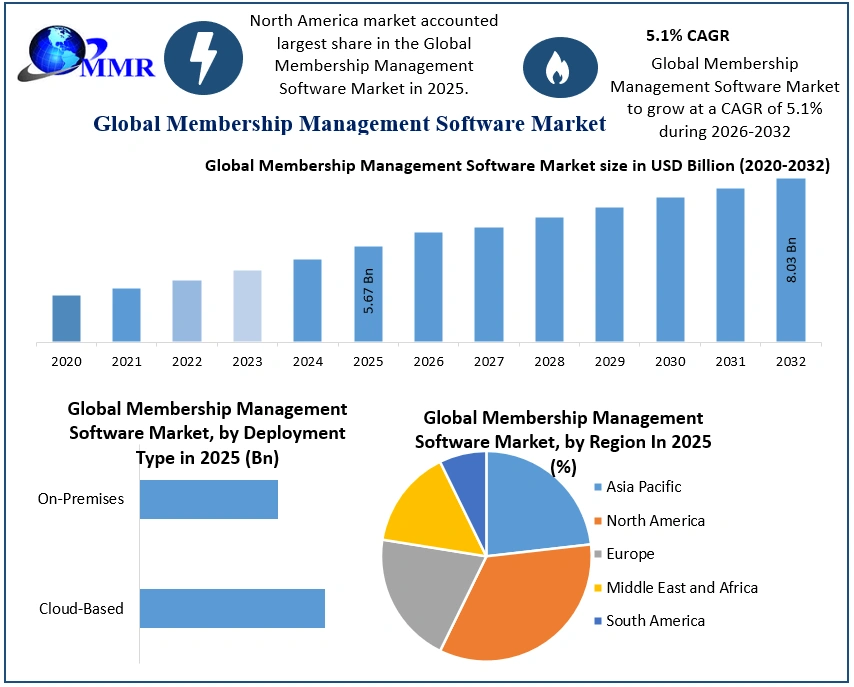
Membership Management Software Market Gains Momentum as Organizations Accelerate Digital Engagement Strategies The global Membership Management Software Market is experiencing substantial growth as organizations increasingly adopt digital platforms to streamline member engagement, automate administrative operations, and improve customer retention. Membership management software...
Conference League Final 2026 marks a defining moment for Crystal Palace in Europe. The club now stands close to a huge prize. Their path has been full of strong play and smart plans. The road to this stage has drawn wide praise. This major final brings a rare chance for success. The Palace now faces a huge test. Their clash with Crystal Palace Vs Rayo Vallecano will shape club history....