


Sell-Side M&A Advisory: Why a Structured Exit Process Creates Better Outcomes

Building a SaaS, technology, or AI company demands years of vision, persistence, and execution. Yet when it comes time to sell, even exceptional businesses can leave value on the table without the right strategy. Sell-side M&A advisory helps founders approach an exit with confidence by managing the transaction from preparation through closing. Rather than simply introducing buyers, experienced advisors create a competitive sale process that positions the business effectively, attracts qualified acquirers, and helps secure favorable terms.
What Is Sell-Side M&A Advisory?
Sell-side M&A advisory is a professional service that represents business owners throughout the sale of their company. The advisor works exclusively on behalf of the seller, providing strategic guidance before, during, and after the transaction.
The process typically includes evaluating the business, preparing financial and marketing materials, identifying potential buyers, managing buyer outreach, coordinating due diligence, negotiating commercial terms, and supporting the transaction through closing.
Because most founders sell a company only once, experienced advisors bring valuable transaction expertise that helps level the playing field when negotiating with sophisticated buyers.
Why Planning Ahead Matters
One of the biggest misconceptions about selling a business is that the process begins once a buyer expresses interest. In reality, successful transactions often start months before the company officially enters the market.
Early preparation allows founders to strengthen financial reporting, improve operational processes, organize key documentation, and address potential issues that could affect valuation. It also gives management time to prepare forecasts, customer metrics, and growth plans that buyers expect to review.
Companies that enter the market fully prepared are often viewed as lower-risk investments, increasing buyer confidence throughout the acquisition process.
Creating a Strong Investment Narrative
A buyer is not only purchasing current revenue. They are investing in future opportunity.
This is why every successful transaction begins with a compelling investment story. Advisors work closely with founders to define the company's strengths, competitive advantages, customer value proposition, and long-term growth potential.
For SaaS businesses, this may include recurring revenue quality, customer retention, and scalable operating models. For technology and AI companies, the narrative may emphasize product innovation, intellectual property, proprietary technology, and market differentiation.
A clear investment thesis helps buyers understand why the business deserves premium consideration.
Identifying the Right Buyers
Not every buyer will recognize the same value in a business.
Strategic acquirers often pursue companies that strengthen existing products, expand market reach, or add technical capabilities. Private equity firms generally focus on recurring revenue, operational performance, and future growth opportunities. Family offices and portfolio companies may have entirely different acquisition objectives.
Experienced advisors evaluate these priorities before approaching potential buyers. Instead of pursuing broad outreach, they build a targeted buyer list designed to maximize interest while protecting confidentiality.
Reaching the right audience often produces stronger engagement and more competitive offers.
Building Competitive Buyer Interest
One of the greatest advantages of a professional sell-side process is the ability to create competition.
When multiple qualified buyers evaluate the same opportunity, negotiations naturally become more balanced. Buyers understand they must present attractive offers to remain competitive, which often improves both valuation and deal terms.
Competition also gives founders greater flexibility. Rather than relying on a single proposal, they can compare different transaction structures and choose the option that best aligns with their financial and strategic objectives.
This disciplined process often leads to stronger outcomes than negotiating with one buyer alone.
Understanding What Buyers Evaluate
Technology acquisitions involve much more than reviewing financial statements.
Buyers examine customer retention, Annual Recurring Revenue, revenue growth, gross margins, expansion opportunities, engineering capabilities, and product scalability. They also assess market positioning, intellectual property, and competitive advantages.
For AI companies, additional attention is given to proprietary models, data quality, automation capabilities, infrastructure, and the commercial value generated by artificial intelligence.
Advisors who specialize in technology transactions understand how these factors influence buyer decisions and ensure they are presented effectively throughout the sale process.
Managing Due Diligence
Due diligence is often the longest and most detailed stage of an acquisition.
During this phase, buyers review financial records, customer contracts, legal documents, tax information, employment agreements, technology infrastructure, and operational processes. Missing information or inconsistent documentation can slow negotiations and reduce confidence.
Sell-side advisors organize this process by coordinating document requests, managing communication, and ensuring information is delivered accurately and efficiently.
Well-prepared diligence reduces surprises and helps maintain momentum toward closing.
Negotiating a Balanced Agreement
The value of an acquisition is determined by more than the purchase price.
Earnout provisions, payment timing, equity rollovers, working capital adjustments, representations, warranties, and post-closing responsibilities all affect the final outcome.
Experienced advisors evaluate every aspect of the agreement to ensure founders understand the financial and operational impact of each term.
This broader perspective helps business owners negotiate agreements that protect shareholder value while reducing unnecessary risk.
The Advantage of Sector Experience
SaaS, technology, and AI companies operate in fast-moving markets where buyer expectations continue to evolve.
Advisors with sector experience understand the metrics, trends, and valuation drivers that influence transactions within these industries. They know how to position businesses for strategic acquirers and financial investors while addressing the technical questions that frequently arise during due diligence.
This expertise improves communication with buyers and strengthens confidence throughout the process.
Conclusion
A successful exit requires much more than identifying an interested buyer. It demands thoughtful preparation, strategic positioning, disciplined execution, and skilled negotiation.
Sell-side M&A advisory provides founders with the expertise needed to manage each stage of the transaction while maximizing value and reducing execution risk. By preparing the business properly, targeting qualified buyers, creating competitive interest, and negotiating favorable terms, advisors help transform years of hard work into an exit that reflects the true strength and potential of the company.
For founders planning their next chapter, a structured sell-side process is one of the most effective ways to achieve a successful and rewarding business exit.
Categories
Read More
Global Thermoplastic Polyurethane (TPU) Films Market Expanding with Rising Demand in Automotive, Electronics, Medical, and Packaging Applications Market Overview Thermoplastic polyurethane (TPU) films are high-performance polymer films known for their excellent flexibility, abrasion resistance, chemical stability, and mechanical strength. These films are increasingly used across...

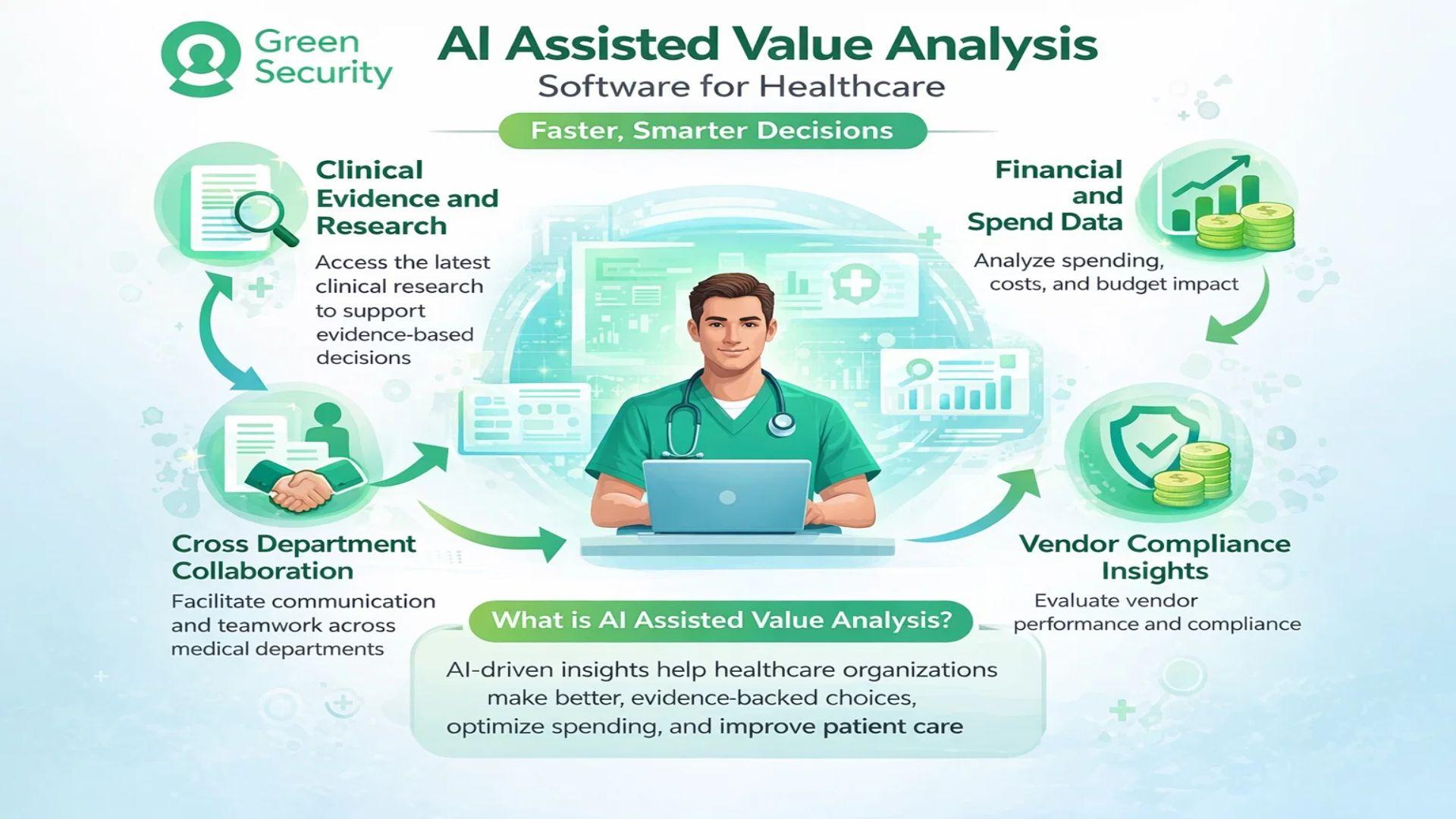
Healthcare organizations can no longer afford slow, manual, and fragmented value analysis processes. Traditional methods driven by spreadsheets, emails, and long committee cycles delay decisions, increase costs, and create inefficiencies. AI Assisted Value Analysis Software for Healthcare is transforming how hospitals evaluate vendors, products, and purchasing decisions. Platforms like GoGreen...
Judikiss88 online slot gaming has become increasingly popular among digital entertainment enthusiasts who enjoy modern casino-style experiences and interactive online gameplay. Online slot games continue attracting players for their colorful graphics, immersive themes, exciting sound files, and rewarding bonus features that creates engaging entertainment experiences for users worldwide. As...

Introduction The way professionals exchange contact information has evolved significantly over the past few years. As businesses embrace digital transformation and contactless technology, traditional paper business cards are gradually being replaced by smarter, more efficient alternatives. Modern professionals now expect quick, convenient, and secure ways to connect without relying on printed...

How to Claim a Refund on Expedia Without Hassle (2026 Guide) Learn how to claim a refund on Expedia without hassle. Step-by-step guide for flights, hotels, and packages with tips to speed up approval. Introduction Travel plans don’t always go as expected, and cancellations are sometimes unavoidable. Knowing how to claim a refund on Expedia without hassle can help you recover your...