


Gallstones: Symptoms, Causes and When Surgery Is Needed
Gallstones are a common digestive health problem affecting millions of people worldwide. While some individuals may never experience symptoms, others can develop severe pain and complications that require immediate medical attention. Understanding the symptoms, causes, and treatment options for gallstones can help ensure timely diagnosis and effective management.
If you are experiencing persistent abdominal pain or digestive discomfort, seeking expert care from the best gastro surgeon in Bangalore at a reputed gastro surgery hospital in Bangalore can help determine the most suitable treatment approach.
What Are Gallstones?
Gallstones are hardened deposits that form inside the gallbladder, a small organ located beneath the liver. The gallbladder stores bile, a digestive fluid that helps break down fats.
Gallstones can vary in size, ranging from tiny grains to larger stones that may block the bile ducts and cause serious complications.
There are two primary types of gallstones:
Cholesterol Gallstones
These are the most common type and form when excess cholesterol accumulates in the bile.
Pigment Gallstones
These develop due to excessive bilirubin in the bile and are often associated with liver disorders and certain blood conditions.
What Causes Gallstones?
Several factors can increase the risk of gallstone formation.
1. Excess Cholesterol in Bile
When bile contains more cholesterol than it can dissolve, crystals may form and eventually develop into gallstones.
2. Obesity
Being overweight increases cholesterol levels in bile and raises the risk of gallstone formation.
3. Rapid Weight Loss
Sudden weight loss can affect bile composition and trigger gallstone development.
4. Poor Dietary Habits
A diet high in fat, refined carbohydrates, and processed foods can contribute to gallstones.
5. Diabetes
People with diabetes are at a higher risk due to elevated triglyceride levels.
6. Family History
Genetic factors can increase susceptibility to gallstones.
7. Age and Gender
Gallstones are more common in women and individuals over the age of 40.
Common Gallstone Symptoms
Many people with gallstones remain symptom-free. However, when stones block the bile ducts, symptoms can become severe.
Common symptoms include:
1. Sudden Abdominal Pain
Pain usually occurs in the upper right side of the abdomen and may last from a few minutes to several hours.
2. Pain After Eating Fatty Foods
Gallbladder contractions triggered by fatty meals can cause intense discomfort.
3. Nausea and Vomiting
Digestive disturbances often accompany gallstone attacks.
4. Back or Shoulder Pain
Pain may radiate to the back or right shoulder blade.
5. Bloating and Indigestion
Many patients experience recurring digestive discomfort and bloating.
6. Jaundice
If a gallstone blocks the bile duct, bilirubin can build up, causing yellowing of the skin and eyes.
7. Fever and Chills
These symptoms may indicate a gallbladder infection and require immediate medical attention.
Complications of Untreated Gallstones
Ignoring gallstones can lead to serious health problems, including:
Acute Cholecystitis
Inflammation of the gallbladder caused by bile duct blockage.
Pancreatitis
Gallstones can block the pancreatic duct, causing painful inflammation of the pancreas.
Bile Duct Infection
Blocked bile flow can result in severe infections requiring urgent treatment.
Gallbladder Damage
Repeated inflammation can permanently affect gallbladder function.
Early diagnosis and appropriate gallstone treatment can help prevent these complications.
How Are Gallstones Diagnosed?
Doctors use several tests to confirm gallstones and assess their severity.
Ultrasound
The most common and effective diagnostic tool for detecting gallstones.
Blood Tests
Used to identify infection, inflammation, and liver function abnormalities.
CT Scan or MRI
Provides detailed imaging of the gallbladder and bile ducts.
Endoscopic Ultrasound
May be recommended when small gallstones are suspected.
Gallstone Treatment Options
The choice of gallstone treatment depends on the severity of symptoms and the presence of complications.
Observation
Asymptomatic gallstones often do not require immediate treatment and may simply be monitored.
Medications
In selected cases, medications may help dissolve cholesterol gallstones. However, this approach is less common and often requires long-term treatment.
Lifestyle and Dietary Changes
Doctors may recommend:
-
Reducing fatty foods
-
Maintaining a healthy weight
-
Increasing fiber intake
-
Staying physically active
While lifestyle changes can help reduce symptoms, they do not eliminate existing gallstones.
When Is Gallstone Removal Surgery Needed?
Surgery is generally recommended when gallstones cause symptoms or complications.
You may require gallstone removal surgery if you experience:
-
Recurrent gallbladder attacks
-
Severe abdominal pain
-
Gallbladder inflammation
-
Blocked bile ducts
-
Pancreatitis caused by gallstones
-
Gallbladder infection
Timely surgical intervention helps prevent further complications and improves quality of life.
Types of Gallstone Removal Surgery
Laparoscopic Cholecystectomy
This is the most commonly performed gallstone removal surgery.
Benefits include:
-
Small incisions
-
Less pain
-
Faster recovery
-
Shorter hospital stay
Open Cholecystectomy
In complex cases, a traditional open surgery may be required.
Your surgeon will determine the most suitable procedure based on your condition.
Recovery After Gallstone Removal Surgery
Most patients recover quickly following laparoscopic surgery.
Recovery tips include:
-
Following dietary recommendations
-
Staying hydrated
-
Avoiding heavy lifting initially
-
Attending follow-up appointments
-
Gradually resuming normal activities
Many individuals return to routine activities within a few weeks.
Choosing the Best Gastro Surgeon in Bangalore
Selecting the best gastro surgeon in Bangalore can significantly impact treatment outcomes.
Look for:
-
Extensive surgical experience
-
Expertise in minimally invasive procedures
-
High success rates
-
Advanced surgical facilities
-
Comprehensive post-operative care
Experienced surgeons can accurately diagnose gallbladder conditions and recommend the most effective treatment plan.
Why Choose a Gastro Surgery Hospital in Bangalore?
A reputed gastro surgery hospital in Bangalore offers:
-
Advanced diagnostic technologies
-
Experienced gastroenterologists and surgeons
-
Minimally invasive surgical options
-
Emergency care services
-
Comprehensive digestive health treatment
Specialized hospitals ensure patients receive expert care from diagnosis through recovery.
Tips to Prevent Gallstones
While not all gallstones can be prevented, healthy lifestyle habits can reduce risk:
-
Maintain a healthy body weight
-
Avoid rapid weight loss
-
Eat a balanced, fiber-rich diet
-
Limit fatty and processed foods
-
Exercise regularly
-
Stay hydrated
These measures support overall digestive and gallbladder health.
Conclusion
Gallstones are a common but potentially serious digestive condition. While some people remain symptom-free, others may experience severe pain, digestive issues, and complications that require medical intervention.
Recognizing symptoms early and seeking appropriate gallstone treatment can help prevent serious health problems. If symptoms persist or complications arise, gallstone removal surgery may be the most effective solution.
Consulting the best gastro surgeon in Bangalore at a trusted gastro surgery hospital in Bangalore can ensure accurate diagnosis, advanced treatment, and a smoother recovery journey for long-term digestive health.
Categorii
Citeste mai mult
Fishing Tournament Guide Each month the calm expanse of Whiteout Survival shifts into a competitive fishing event that tests anglers of every skill level. Seasonal themes rotate the underwater roster, bringing new species, divers, and hidden loot for players to find. Success hinges on timing, smart planning, and a bit of fortune as you aim for the highest-value catches. This guide walks you...

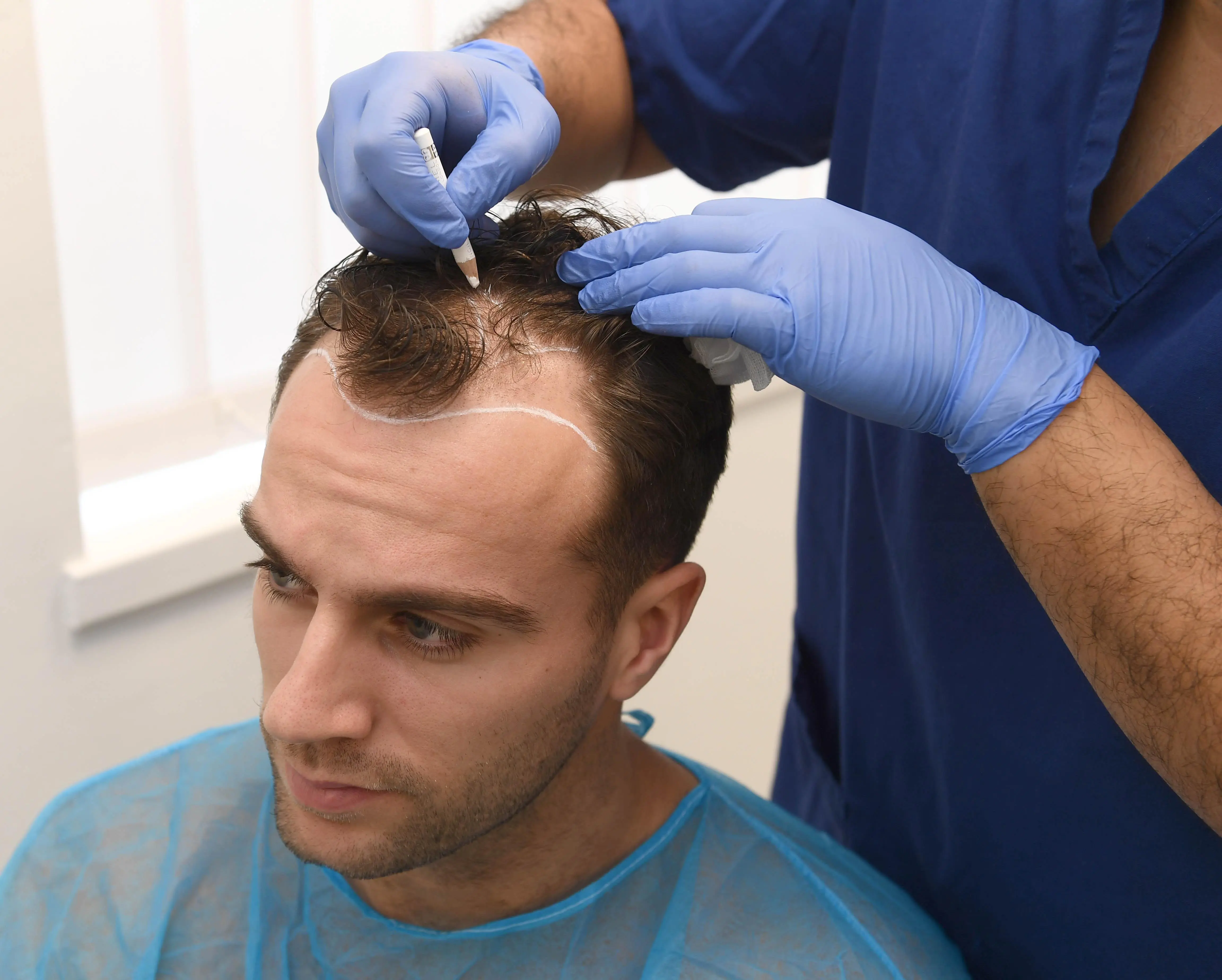
Natural Hairline Design: The Art of Framing Your Face Perfectly The ultimate hallmark of a successful restoration is not just the presence of new hair, but the invisibility of the procedure itself. When individuals seek a hair transplant in Riyadh(زراعة الشعر في الرياض), the primary goal is often to reclaim a youthful appearance that feels entirely authentic. Achieving this requires more than...
"Ionic Liquids Market Summary: According to the latest report published by Data Bridge Market Research, the Ionic Liquids Market Data Bridge Market Research analyses that ionic liquids market was valued at USD 40.04 million in 2021 and is expected to reach the value of USD 84.59 million by 2029, at a CAGR of 9.80% during the forecast period of 2022-2029.This Ionic Liquids...
Waste to energy plants are the physical embodiment of the WtE concept, the high-tech industrial facilities that process thousands of tonnes of waste daily and convert it into valuable energy. These plants are not just incinerators; they are sophisticated energy recovery systems that play a vital role in modern waste management and sustainable energy production. Analysis presented...

According to the latest report published by Data Bridge Market Research, the Packaging Suction Cup Market CAGR Value The global packaging suction cup market size was valued at USD 1.58 billion in 2024 and is expected to reach USD 2.06 billion by 2032, at a CAGR of 3.40% during the forecast period Global Packaging Suction Cup Market document...