


Wholesale Wall Switch Sourcing Done Right the First Time

Wholesale wall switches occupy a quiet but essential corner of the electrical components market. They don't generate much excitement in a product catalog, but they show up in virtually every construction project, renovation job, and commercial fit-out — which means consistent demand and steady reorder cycles for buyers who get their sourcing right.
The wall switch category is broader than it first appears. Single-pole switches, double-pole configurations, three-way and four-way switching arrangements, dimmer switches, timer switches, and smart switches with wireless connectivity all fall under the same umbrella. Buyers sourcing wholesale need to map their product range against the actual use cases their customers face — residential electricians have different requirements than commercial contractors, and a catalog that only covers one end of that spectrum leaves volume on the table.
Contact material is a specification that separates reliable wall switches from ones that degrade early. Silver alloy contacts — particularly silver cadmium oxide or silver nickel compositions — handle repeated switching cycles without significant arc damage or contact resistance buildup. Inferior contact materials oxidize faster and create resistance that shows up as heat, flickering, or premature failure. For wholesale buyers, contact quality is a detail worth confirming at the specification stage rather than discovering through return claims.
Current and voltage rating is the other non-negotiable. A wall switch rated for 10A at 250V handles standard residential lighting loads comfortably. Switches intended for higher-draw applications — motor loads, commercial lighting banks, or HVAC controls — require appropriate rating headroom. Mismatched ratings between switch capacity and actual load are a common source of field failures, and wholesale buyers supplying to contractor markets should ensure their product range covers the load profiles their customers regularly encounter.
Housing material affects both durability and installation experience. Polycarbonate housings resist impact and handle thermal cycling without cracking — relevant in environments where switches are installed near heat sources or in spaces with temperature variation. The fit between switch body and wall plate also matters during installation; loose tolerances create gaps that look unprofessional and allow dust ingress over time.
Nach Verein filtern
Read More
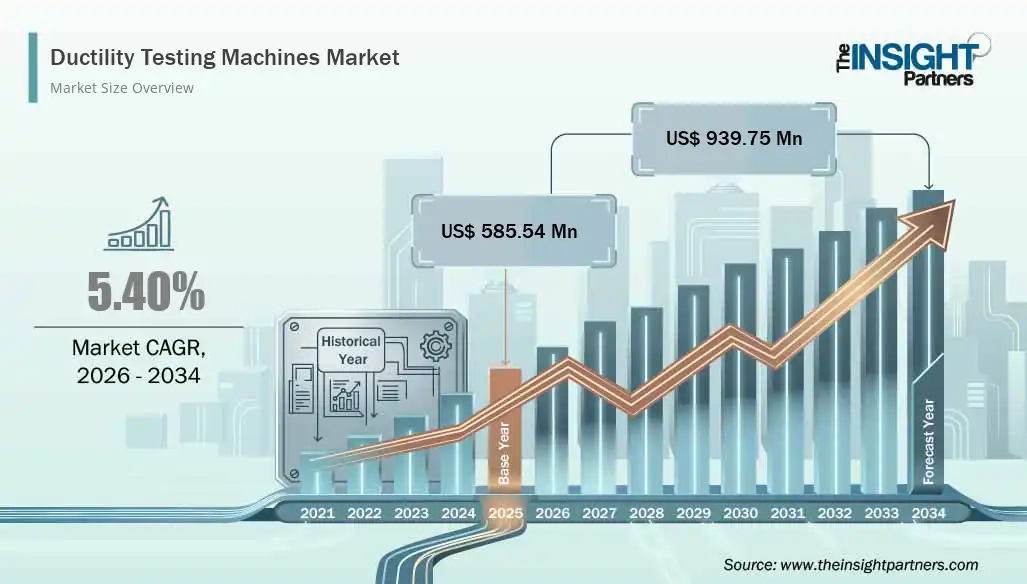
Ductility testing is a fundamental procedure in material science and civil engineering, used to determine a material's ability to undergo significant plastic deformation before fracturing. This measurement is critical for evaluating the quality and durability of materials like bitumen, asphalt, and various metals used extensively in infrastructure projects. The structural integrity of...
Choosing the right fabric is one of the most important steps when selecting a perfect wedding dress for women Indian style, as the material directly affects comfort, elegance, and the final look of the outfit. Indian bridal and festive wear is crafted using a wide range of rich materials, and understanding each fabric helps you make a confident and stylish choice. Whether you are exploring...

For the third consecutive week, the hit series Squid Game continues its reign at the top of the charts, drawing an impressive 26.3 million views this week alone. Its global popularity is evident as it secures a spot in the top 10 across all countries, elevating its total viewership to 152.5 million since its debut on December 26. This achievement positions it as Netflix’s third...

The Iron Ore Price Trend has remained one of the most closely watched indicators in the global commodities market. Industries such as steel manufacturing, construction, infrastructure development, and heavy engineering all depend on iron ore, making its price movement important for businesses worldwide. By following the Iron Ore Price index and reviewing the Iron Ore Chart, buyers and sellers...

" According to the latest report published by Data Bridge Market Research, the Malaysia Clinical Laboratory Services Market CAGR Value The Malaysia clinical laboratory services market size was valued at USD 1.38 billion in 2025 and is expected to reach USD 2.16 billion by 2033, at a CAGR of 5.80% during the forecast period Salient attributes used...
