


Selfstore Dubai: Your Trusted Storage Solution in the UAE
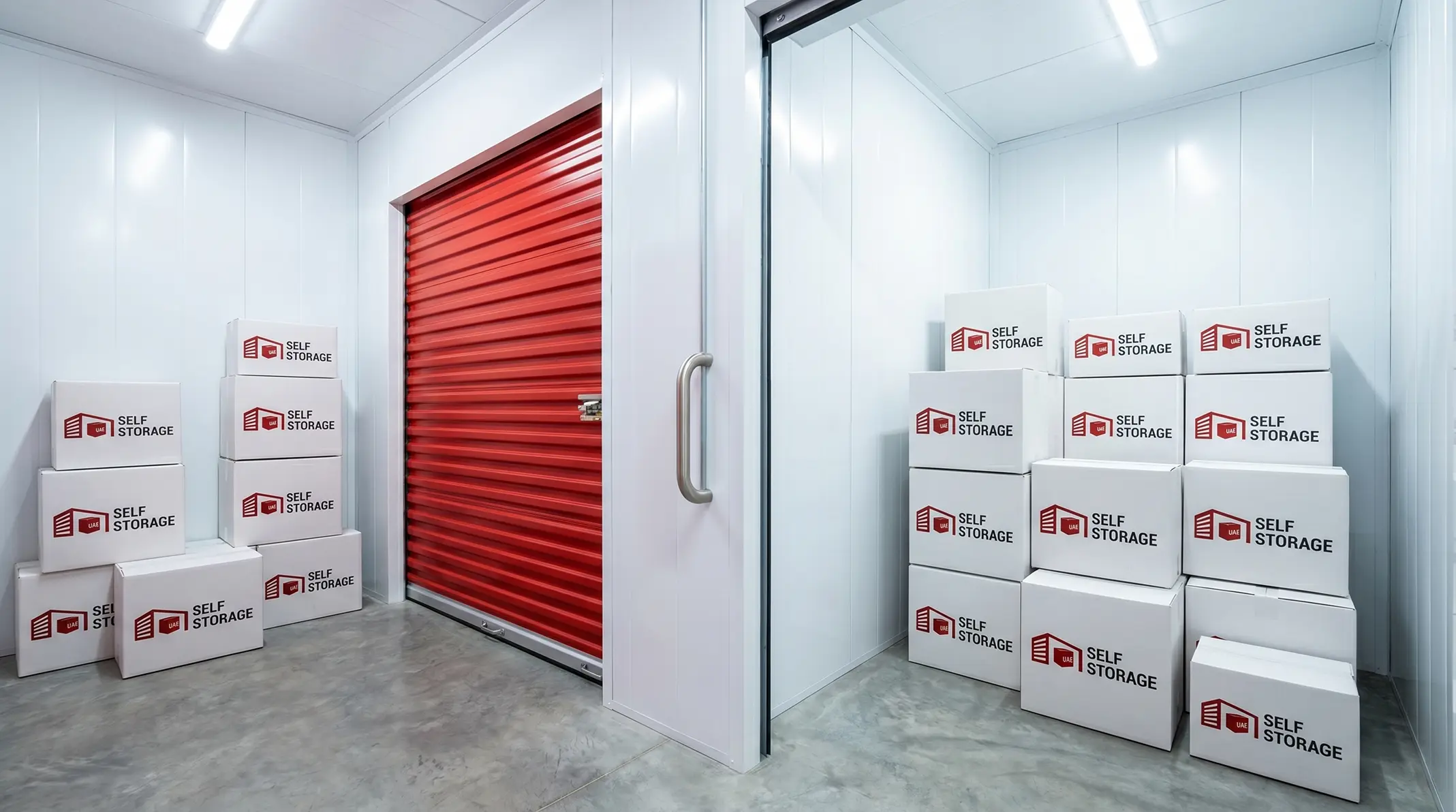
Selfstorage Dubai: The 2026 Guide to Storing Your Stuff Without the Stress
You know the feeling. You open the hall cupboard and something falls out. The spare room isn't a room anymore, it's a maze. And every time you think about upgrading to a bigger apartment just for the extra space, the rent math makes you wince.
If your home in Dubai has started shrinking around you, you're not imagining it. Compact high-rise living, frequent moves, and a city that keeps adding residents every month all push the same problem onto your shoulders: too much stuff, not enough room. The good news is that a selfstore Dubai unit solves this quietly and affordably, often for less than the cost of a few coffees a week. This guide walks you through exactly how it works, what it costs in 2026, and how to choose a unit you won't regret.
What Is Self Storage in Dubai?
Self storage is a private, lockable space you rent by size and by duration. You move your own things in, you keep the key or access code, and you visit whenever you need to. Nobody else shares the unit. It's yours for as long as you keep paying for it.
Think of it as a second cupboard that lives outside your home. Some people use it for a few weeks during a move. Others keep a unit for years to hold seasonal items, business stock, or furniture they're not ready to part with. The model is flexible by design, which is exactly why it fits Dubai's fast-moving lifestyle so well.
Most facilities sit in industrial and logistics zones such as Al Quoz, Ras Al Khor, Dubai Investment Park, Jebel Ali, Al Qusais, and Dubai South. That's where the space is, and that's why rates there stay reasonable compared with renting extra square footage in a residential tower.
Why a Selfstore Unit Makes Sense in Dubai
Dubai's living conditions create a near-perfect case for renting storage. Here's why so many residents end up needing it.
- Apartments are compact. Studios and one-bedroom flats rarely have room for off-season wardrobes, sports gear, or guest furniture.
- People move often. With short leases and a large expat community, many households relocate every one to three years. Storage bridges the gap between homes.
- Rent is expensive. Renting a unit to hold overflow is far cheaper than jumping to a larger apartment just for the storage.
- The climate is harsh. Summer highs reach the mid-40s°C, and coastal humidity creeps past 55%. A proper storage unit protects what your spare room can't.
- Businesses need overflow space too. E-commerce sellers, small offices, and event companies use storage for stock and equipment without committing to a warehouse lease.
The point isn't just convenience. It's protection and breathing room. You reclaim your living space and shield your belongings from heat, dust, and moisture at the same time.
Types of Storage Services You'll Find
Not every unit is the same, and matching the type to your needs is where most of the savings (and the regret) come from. Here are the main options.
Climate-Controlled Storage
These units hold a steady temperature, usually between 18°C and 24°C, with humidity kept around 40 to 55%. That stability matters in Dubai. Wood warps, leather cracks, electronics corrode, and paper yellows when stored in an uncontrolled space through a long summer. If you're storing furniture, documents, photographs, instruments, or anything electronic, climate control isn't a luxury, it's insurance.
Standard (Non-Climate) Storage
Cheaper and perfectly fine for hardy items. Think sealed plastic boxes, metal shelving, garden tools, tiles, and durable equipment that won't mind the heat. If nothing in your inventory is moisture-sensitive, this is the budget-friendly choice.
Personal and Household Storage
The most common use. Seasonal clothing, kids' gear, extra furniture, and the boxes you packed during your last move but never unpacked. Sizes scale from a small locker to a unit that swallows a full villa.
Business and Document Storage
Inventory, archives, marketing materials, and equipment. Many sellers run their stockroom from a storage unit, with 24/7 access so they can pull orders any time.
Per-Box and Luggage Storage in Dubai
You don't always need a whole room. For small loads, per-box plans start at roughly AED 95 per box per month. Luggage storage in Dubai is even more granular, often priced around AED 75 per piece per month, which suits travellers, students between leases, or anyone with just a few suitcases to stash. It's a smart middle ground when a full locker would mostly sit empty.
How to Rent a Self Storage Unit: Step by Step

The process is simpler than most people expect. Here's the path from "I need space" to "it's handled."
- Take an inventory. List what you're storing and roughly how much volume it takes up. Add about 20% for walking room inside the unit so you can actually reach your boxes.
- Pick the right size. Don't guess high. A 25 sq ft unit fits around six boxes plus a few small items. A 100 sq ft unit holds the contents of a two-bedroom apartment. Oversizing just burns money every month.
- Decide on climate control. If anything is wood, leather, paper, electronic, or sentimental, choose climate-controlled. If not, save the premium.
- Shortlist two or three locations. Stay within about 20 km of your home or office so visits don't become a chore. Compare them on price and access hours.
- Compare quotes properly. Convert each quote to AED per square foot per month, then add 5% VAT so you're seeing the real bill. Ask what's included: insurance, access cards, and pickup are sometimes bundled, sometimes billed separately.
- Read the agreement before signing. Check the monthly rent, access hours, notice period (usually 7 to 30 days), the deposit (often one month's rent), and the list of prohibited items.
- Move in and document. Photograph your items and the unit on move-in day. It's a small habit that protects you if you ever need to make a claim.
What Does Self Storage Cost in Dubai?
Pricing in 2026 stays fairly predictable once you know the bands. As a rough guide across Dubai facilities:
- 25 sq ft: about AED 300 to 400 per month. Good for boxes, documents, and seasonal items.
- 50 sq ft: roughly AED 895 to 1,400 per month. Suits a one-bedroom's worth of overflow.
- 100 sq ft: around AED 1,700 to 2,600 per month. Holds a two-bedroom apartment.
- Larger units (200 to 300 sq ft): can run from AED 3,000 upward for full-villa storage.
A few factors move the number. Climate-controlled units typically cost 20 to 40% more than standard ones of the same size. Central locations and premium brands price higher than facilities in outer zones. Longer contracts usually bring the effective monthly rate down. And don't forget the extras: 5% VAT applies to storage in the UAE, and some providers add admin fees, insurance, or pickup charges.
One honest tip on value: a low headline price isn't always the cheapest deal. A unit that includes insurance, security, and free collection can beat a "cheaper" one where every service is an add-on. Compare the total, not the teaser rate.
Common Mistakes to Avoid
A little planning saves real money and frustration. These are the slip-ups that catch people out.
- Renting too big. The most expensive mistake. Measure first, then pick the smallest unit that fits comfortably.
- Skipping climate control for sensitive items. A single Dubai summer can ruin wooden furniture or warp a guitar. The damage often costs more than years of the climate premium.
- Ignoring VAT and hidden fees. That advertised price usually isn't the final price. Always add 5% and ask about deposits and access cards.
- Choosing a far-flung facility to save a little. If you visit often, the travel time and fuel quietly erase your savings.
- Packing badly. Climate control protects against the room, not poor packing. Use sturdy boxes, label everything, and leave a walkway.
- Not reading the prohibited-items list. Perishables, flammables, gas cylinders, and similar goods are banned. Storing them can void your cover.
Pro Tips From the Field
After helping plenty of residents and businesses set up storage, a few habits consistently separate a smooth experience from a stressful one.
- Use the AED-per-square-foot metric. Dividing the monthly quote by the area is the only fair way to compare units across different sizes and promos.
- Buy a desiccant or two. Even in a climate-controlled unit, silica gel packs add a cheap extra layer against moisture for electronics and documents.
- Store vertically and leave aisles. You'll fit more and reach everything without unstacking half the unit.
- Keep an inventory list and photos off-site. A quick phone note of what's inside saves you guesswork months later.
- Negotiate on longer terms. If you know you'll need the space for a year, ask for a discounted annual rate or a free month. Many facilities will move.
- Re-evaluate every few months. If your unit is half empty, downsize. Storage should fit your stuff, not the other way around.
Frequently Asked Questions
Is self storage in Dubai safe?
Reputable facilities run 24/7 CCTV, access control, smart locks, and on-site security. To be sure, ask about surveillance, insurance options, and who can access your unit before you sign. Documenting your items with photos adds an extra layer of peace of mind.
How small can a storage unit be?
Very small. Lockers start around 10 sq ft, and if you only have a few items, per-box plans or luggage storage in Dubai let you pay per piece instead of renting a whole room. That flexibility keeps small loads affordable.
Do I need climate-controlled storage?
It depends on what you're storing. Wood, leather, electronics, paper, photographs, artwork, and instruments all benefit from controlled temperature and humidity, especially through the summer. Durable, sealed, non-sensitive items are usually fine in a standard unit.
Can I access my belongings anytime?
Many premium facilities advertise round-the-clock access, but it varies by branch. If you expect frequent visits or run a business from your unit, confirm the access hours and whether 24/7 entry costs extra before committing.
How much notice do I need to move out?
Most contracts ask for between 7 and 30 days' notice. Check this in your agreement, along with the deposit terms, so you can plan your exit and get your deposit back cleanly.
Is VAT included in the advertised price?
Usually not. The UAE applies 5% VAT to storage services, and it's often added on top of the listed rate. Always factor it in when comparing quotes so the real cost is clear.
Categories
Read More
According to the latest report published by Data Bridge Market Research, the Vinflunine Market CAGR Value Data Bridge Market Research analyses that the global vinflunine market which was USD 8,475.23 million in 2022, would rocket up to USD 15,746.14 million by 2030, and is expected to undergo a CAGR of 11.2% during the forecast period. An all inclusive Vinflunine...

SEO work never really settles into something clean and predictable, even when guides try to make it look simple and step based. You change a page, fix wording, maybe adjust headings, then wait again, and still nothing obvious shows up for a while. That waiting part creates doubt, so people start looking at seo link building services hoping for a push that feels more real. The thing is,...

Premenstrual syndrome or PMS is a common experience that affects many individuals each month. While some cycles may pass with minimal discomfort, others can feel overwhelming and physically exhausting. The reasons behind this variation are often linked to hormonal fluctuations, lifestyle habits, and emotional stress. Understanding these factors can help manage symptoms more effectively and...

Many experienced bakers build their skills through years of practical work in bakeries, commercial kitchens, hotels, cafés, supermarkets, wholesale bakeries or overseas baking workplaces. You may already know how to prepare doughs, manage proofing, use bakery equipment, bake bread, produce cakes, make pastries, follow formulas and work under commercial production pressure. If you have...

"North America Stroke Diagnostics Market Summary: According to the latest report published by Data Bridge Market Research, the North America Stroke Diagnostics Market The North America stroke diagnostics market size was valued at USD 1.73 billion in 2025 and is expected to reach USD 2.88 billion by 2033, at a CAGR of 6.6% during the forecast period Market research analysis and data in...