How to Write a Nursing Reflective Essay in New Zealand (Gibbs Cycle, Examples & Common Mistakes)

Ask any nursing student in New Zealand which assignment feels the most personal — and the most confusing to grade themselves on — and most will say the reflective essay. Unlike a case study or care plan, a reflection asks you to turn your own clinical placement experience into structured academic evidence of learning. That dual demand — being honest and vulnerable, while still meeting a strict academic framework — is exactly where many students get stuck. This guide walks through how to write a nursing reflective essay using the Gibbs reflective cycle, what NZ markers are actually looking for, and how it fits within the broader picture of Nursing Assignment Help in New Zealand.
A nursing reflective essay in New Zealand typically uses Gibbs' Reflective Cycle (1988), a six-stage model: Description, Feelings, Evaluation, Analysis, Conclusion, and Action Plan. Students reflect on a single, specific clinical placement experience, link it to professional standards such as the Nursing Council of New Zealand's (NCNZ) code of conduct and standards of competence, and support their analysis with current nursing literature. The most common mistake is treating the essay as a diary entry rather than a structured, evidence-based analysis — descriptive storytelling without genuine critical thinking is the single biggest reason students lose marks on reflective writing.
Why Reflective Writing Matters in Nursing Education
It might seem strange that a profession built on clinical precision also requires deeply personal writing. But reflection is not an add-on to nursing — it is a core professional skill. Registered nurses are expected to continuously evaluate their own practice, identify gaps in knowledge, and adjust their care accordingly. The NCNZ's standards of competence explicitly require nurses to reflect on practice with peers and experienced colleagues, and to identify their own level of competence so they know when to seek assistance.
In other words, reflective essays aren't just an academic exercise — they're training for a habit you'll need for your entire nursing career. Markers are assessing whether you can genuinely learn from experience, not just describe what happened.
The Gibbs Reflective Cycle: Stage by Stage
Developed by Professor Graham Gibbs in 1988 in Learning by Doing, the Gibbs cycle remains one of the most widely used reflective models across New Zealand nursing programmes because of its clear, repeatable structure. It has six distinct stages, each with a specific academic purpose.
1. Description
What actually happened? Stick to facts: where you were, who was involved (using pseudonyms or role titles — never real patient names), what the situation was, and what you did. This section should be relatively brief and purely descriptive — save your opinions and feelings for later sections.
2. Feelings
What were you thinking and feeling at the time — and afterward? This is the one section where first-person, personal language is usually permitted (check your specific rubric, since some NZ programmes restrict personal pronouns to this section only). Be specific: "anxious because I had never managed a deteriorating patient alone" is far stronger than "I felt bad."
3. Evaluation
What worked well, and what didn't? This is where you start being genuinely critical rather than just descriptive — naming both strengths and shortcomings in how the situation was handled, including your own actions.
4. Analysis
This is the academic core of the essay. Here you bring in literature, theory, and professional standards to make sense of why things happened the way they did. If you felt unprepared communicating a difficult diagnosis, for example, this is where you'd integrate evidence on therapeutic communication models or breaking bad news frameworks, and connect them explicitly to your experience.
5. Conclusion
Having explored the event from multiple angles, what do you now understand that you didn't before? What could realistically have been done differently? This section should show genuine insight, not just a restatement of the evaluation.
6. Action Plan
If a similar situation arose again, what specifically would you do differently? This needs to be concrete and personal — not generic advice like "communicate better," but specific, actionable steps tied to your own identified gap (e.g., "I will complete the hospital's communication skills module before my next placement and request a debrief with my preceptor after any difficult conversation").
Gibbs vs. Other Reflective Models
Gibbs isn't the only model used in NZ nursing programmes — some courses prefer Johns' Model of Structured Reflection or Driscoll's "What? So What? Now What?" framework. Always check your assignment brief, since using the wrong model (even if well executed) can cost marks if your lecturer has specified a particular framework. That said, Gibbs remains the most common default across New Zealand and Australian nursing curricula because of its clear six-stage structure and ease of application to clinical scenarios.
What NZ Markers Are Actually Looking For
Reflective essays are graded differently from case studies, and understanding this distinction matters:
- Genuine critical thinking over storytelling. A common pitfall is writing a detailed, well-written narrative that never actually analyses anything. Markers want to see you interrogate your own assumptions and decisions, not just narrate events well.
- Evidence integration. Even though reflection is personal, strong reflective essays still cite current literature in the analysis stage — connecting your specific experience to broader nursing theory or research.
- Professional standards alignment. Strong reflections explicitly connect the experience to NCNZ standards of competence or the Code of Conduct, showing you understand the professional framework you're being trained into.
- Honesty over polish. Reflective essays that admit genuine uncertainty, mistakes, or gaps in knowledge are usually stronger — and more credible — than ones that present a suspiciously flawless account of clinical performance.
- Confidentiality. Real patient names, identifying details, ward names, or photographs should never appear. Use pseudonyms and de-identify any clinical detail that isn't relevant to the learning point.
A Short Worked Example
Description: During a placement in a medical ward, I was caring for a patient recently diagnosed with a chronic condition who became visibly anxious when discussing their prognosis. I offered reassurance but struggled to answer their specific questions about long-term outlook.
Feelings: I felt uncertain and slightly out of my depth, worried that vague reassurance might come across as dismissive rather than supportive.
Evaluation: On the positive side, I stayed present and didn't rush the conversation. However, I hadn't prepared for how to respond to direct prognosis questions, and I deferred too quickly to "the doctor will explain that," which may have felt like avoidance to the patient.
Analysis: Literature on therapeutic communication highlights the importance of acknowledging uncertainty honestly rather than redirecting immediately, while still respecting scope of practice boundaries around prognosis disclosure. This aligns with NCNZ expectations around person-centred communication and recognising one's own level of competence.
Conclusion: I now understand that acknowledging a patient's question directly — even without giving a clinical answer — builds more trust than deflecting it entirely.
Action Plan: Next placement, I will practise a structured response for prognosis-related questions (acknowledge the question, validate the concern, and clearly explain who can answer it and when) rather than abruptly redirecting the conversation.
This kind of structure — brief description, honest feelings, real evaluation, literature-supported analysis, genuine insight, and a specific action plan — is what separates a strong reflective essay from a merely well-written one.
Common Mistakes in Nursing Reflective Essays
- Writing a diary entry instead of an analysis — description without critical depth
- Switching tense or person inconsistently — check whether your programme allows first person throughout or only in the Feelings section
- Skipping the literature entirely — even reflective writing usually needs evidence in the Analysis stage
- Vague action plans — "I will be more confident" isn't specific or measurable
- Including identifying patient information — a serious confidentiality and ethics breach
- Choosing too large or vague an event — the strongest reflections focus on one specific, contained moment, not an entire shift or placement
- Overly negative or overly flattering self-assessment — markers are trained to spot reflections that aren't genuinely balanced
How Reflective Essays Differ From Other Nursing Assignments
If you've already read our guides on nursing case studies and care plans, you'll notice reflective essays sit apart from both. Case studies and care plans are written in third person and focus outward on the patient; reflective essays are written largely in first person and focus inward on your own clinical reasoning, emotional response, and professional growth. Both still demand the same rigour around evidence and structure — they just apply it to a different subject: the patient in one case, yourself in the other.
Where Assignment Help Fits In
Reflective essays are deeply personal, which means no nursing assignment help service can — or should — write your actual reflection for you; the experience and feelings have to be your own. Where structured assignment help in New Zealand genuinely adds value is in:
- Helping you apply the Gibbs (or Johns, or Driscoll) structure correctly to your own experience
- Sourcing current, relevant literature for the Analysis stage
- Reviewing your draft for academic tone, referencing accuracy, and confidentiality compliance
- Giving feedback on whether your action plan is specific and assessable enough
EssayCorp New Zealand's nursing writers, many with clinical nursing and mental health nursing backgrounds, support exactly this kind of structuring and review work across reflective essays, case studies, and care plans — while keeping the final reflection grounded in the student's genuine experience and understanding.
Frequently Asked Questions
Can I use first person in a nursing reflective essay? Usually yes, since reflection is inherently personal — but always check your specific assignment brief, as some NZ programmes restrict personal pronouns to the Feelings section only, requiring third person elsewhere.
Do I need references in a reflective essay? Yes, typically in the Analysis stage. Even personal reflection should be grounded in current nursing literature, professional standards, or theoretical frameworks rather than opinion alone.
What if my placement experience felt uneventful — what do I write about? Choose a small, specific moment rather than waiting for a dramatic event. A brief interaction, a moment of uncertainty, or a small communication misstep often makes for a stronger, more analysable reflection than a major incident.
Is Gibbs' cycle the only model used in NZ nursing programmes? No. While Gibbs is the most common default, some courses use Johns' Model of Structured Reflection or Driscoll's framework — always confirm which model your assignment brief requires.
How do I keep patient confidentiality in a reflective essay? Use pseudonyms or initials, avoid identifying details like exact ward names or dates that could identify the patient, and never include photographs or real documentation from clinical placements.
Conclusion
A nursing reflective essay is one of the few academic tasks where your honesty is part of the assessment criteria — but honesty alone isn't enough without structure and evidence. The Gibbs cycle gives you a reliable path from a raw clinical memory to a genuinely analytical piece of academic writing that also happens to build a skill you'll use for your entire nursing career: the habit of learning from your own practice. When the structure or referencing side feels overwhelming alongside placement hours and other coursework, structured nursing assignment help can support the framework and research — but the reflection itself, like your clinical judgement, has to come from you.
This article is for informational and educational purposes. Always confirm the specific reflective model and confidentiality requirements set by your university and clinical placement provider before submission.
Categorii
Citeste mai mult
If you are planning to manufacture, import, or sell products in India, understanding BIS Certification is essential. The Bureau of Indian Standards (BIS) ensures that products meet quality, safety, and reliability standards before reaching consumers. Whether you are a startup, manufacturer, or global exporter, obtaining a BIS certificate is often a mandatory requirement. In this guide,...

When it comes to preserving life’s most memorable moments, finding the right photographer is key. Whether it’s a wedding, family portrait, or professional shoot, quality photography can make all the difference. Many people start by searching for “photographers near me,” hoping to find skilled professionals who understand both the art and the technical side of...

According to the latest report published by Data Bridge Market Research, the Europe Pharmaceutical Isolator Market CAGR Value The Europe Pharmaceutical Isolator Market size was valued at USD 1.26 billion in 2025 and is expected to reach USD 3.54 billion by 2033, at a CAGR of 13.80% during the forecast period Thorough and transparent research...

NEWARK, Del., July 10, 2026 — The global Fermented Ingredient Market is expected to witness robust growth as manufacturers increasingly adopt fermentation technologies to produce high-quality, sustainable, and functional ingredients across food, pharmaceutical, and feed industries. According to Future Market Insights (FMI), the market is projected to grow from USD 59.1 billion in 2026 to...

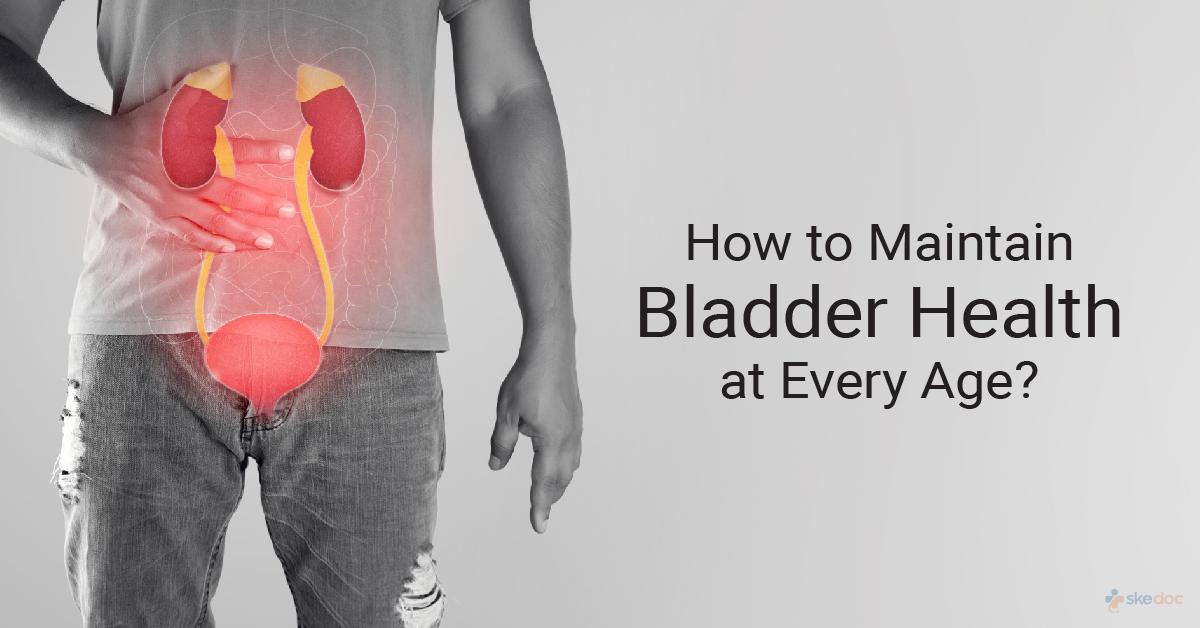
Bladder health is an important part of overall well-being, yet many people rarely think about it until problems begin. The bladder plays a key role in storing and releasing urine, helping the body remove waste efficiently. When the bladder is healthy, this process happens smoothly and comfortably. When it is not, daily life can be disrupted by discomfort, urgency, or loss of...