What's New in WhatsApp AI Automation in 2026?

A rundown of the biggest WhatsApp AI automation changes in 2026 - from Meta's global Business Agent to new pricing, pacing, and carousel templates.
WhatsApp AI automation looks meaningfully different in 2026 than it did even a year ago. The short answer to what changed: Meta rolled its own AI agent out worldwide, introduced a separate pricing category for AI-initiated chats, replaced bulk blasting with intelligent pacing, and expanded the kinds of rich, interactive messages businesses can send automatically. Together these shifts move WhatsApp from a broadcast channel toward a genuine conversational commerce surface, and they change how you should plan your automation stack this year.
Meta Business Agent went global
The headline update is that Meta's customer-support AI, now branded the Meta Business Agent, became available globally in mid-2026. It can answer questions, recommend products, book appointments, qualify leads, and hand off to a human when a conversation needs one. Meta also launched a Business Agent Platform so larger companies can build and customize agents that connect to hundreds of systems like Shopify and Zendesk. That validates the category, but it also means businesses now choose between Meta's hosted agent and an independent platform they control. Teams that want to own their data and logic increasingly favor a self-hosted WhatsApp automation solution over a black-box agent.
Pricing moved to conversation-based AI billing
Meta introduced a new conversation category for AI-initiated messages, where a language-model agent originates the chat. Pricing for that category is expected to land below marketing-message rates, which rewards automation that genuinely resolves customer needs rather than spraying promotions. For anyone budgeting a deployment, this is a reason to model conversation volume carefully and to favor an AI-powered WhatsApp automation tool that reports cost per resolved conversation rather than per message blast.
Portfolio Pacing replaced bulk blasting
WhatsApp no longer lets you fire thousands of messages at once. With Portfolio Pacing rolling out globally, campaigns are released in controlled batches while Meta watches engagement in real time and automatically slows or pauses delivery if it detects blocks or spam reports. Practically, this rewards relevance and segmentation over raw volume. Automation platforms that schedule, segment, and personalize sends - the kind of orchestration built into Zipprr's WhatsApp automation software - adapt to pacing far more comfortably than crude broadcast tools.
Richer message formats arrived
Carousel templates rolled out broadly, letting a single template show multiple product cards with images and buttons inline. Combined with WhatsApp's expanding native payments - already live in India, heading to Brazil and the wider Latin American market - this turns an automated thread into a place where customers browse and buy without leaving the chat. Designing flows that use carousels, quick replies, and catalog links is now a core competency for any serious deployment, and it is where a fully customizable WhatsApp automation platform earns its keep.
What it means for your roadmap
If your 2026 plan still assumes one-way broadcasts and manual replies, it is out of date. The combination of a credible first-party AI agent, conversation-based pricing, enforced pacing, and richer templates pushes every business toward thoughtful, two-way automation. The winners will be the teams that treat WhatsApp as a conversational storefront and support desk rather than an SMS replacement.
It also raises the stakes for getting the basics right. As the channel grows more capable, customer expectations rise with it - people now assume an instant, accurate, on-brand reply at any hour. That bar is hard to clear with manual staffing alone, which is part of why automation adoption accelerated so sharply this year. The supporting data backs it up: WhatsApp is now the leading platform for business chatbot usage, and a large majority of enterprises plan to weave the API into their customer stack. Sitting out the 2026 updates effectively means letting faster-moving competitors set the standard your customers will measure you against.
Where to start
Begin by auditing how many of your inbound questions are repetitive enough to automate, then map the handful of flows - order status, FAQs, lead qualification, appointment booking - that cover most of that volume. Layer AI on top to handle the long tail of phrasing, and keep a clean human-handoff path for anything sensitive. A platform you can shape to your own brand and data rules, such as this WhatsApp AI automation system, lets you adopt the new 2026 capabilities on your terms instead of waiting on a vendor's roadmap. The tools changed this year; the opportunity is to use them deliberately.
Ready to put the 2026 updates to work? Explore how Zipprr's WhatsApp automation can give your team an owned, customizable foundation for AI-driven conversations.
Catégories
Lire la suite
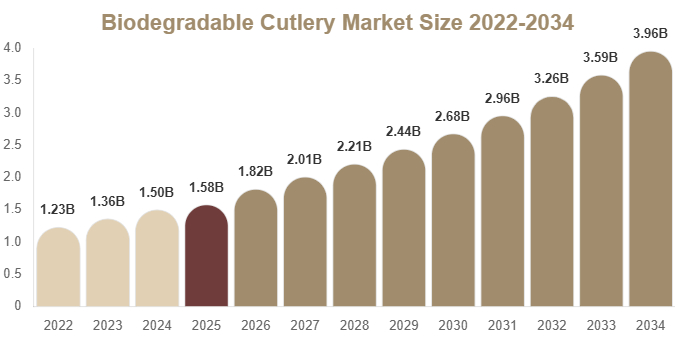
Biodegradable Cutlery Market: Industry Size, Growth, Trends, and Forecast to 2034 The biodegradable cutlery market is witnessing significant growth as industries and consumers increasingly shift toward sustainable alternatives to conventional plastic products. Rising environmental awareness, regulatory initiatives, and growing demand from foodservice providers continue to support the expansion...
"Wafer Level Packaging Market Summary: According to the latest report published by Data Bridge Market Research, the Wafer Level Packaging Market The global wafer level packaging market size was valued at USD 10.43 billion in 2025 and is expected to reach USD 47.92 billion by 2033, at a CAGR of 21.0% during the forecast period Wafer Level Packaging Market is the finest market research...

"Pet Oral Care Products Market Summary: According to the latest report published by Data Bridge Market Research, the Pet Oral Care Products Market Data Bridge Market Research analyzes that the global pet oral care products market which was USD 9.8 billion in 2022, would rocket up to USD 16.4 billion by 2030, and is expected to undergo a CAGR of 6.4% during the forecast period...
Automotive Tire Market Summary “The global Automotive Tire Market is expected to reach to USD 32.5 billion by 2032, growing at a CAGR of 12.5% during 2025 to 2032” The TrendBridge Insights Research report, “Global Automotive Tire Market Report 2025 – Future Opportunities, Latest Trends, In-depth Analysis, and Forecast To 2032”, delivers strategic insights...
185+ Seagull Puns & Jokes That’ll Make You Caw With Laughter 😂🕊️🌊 If you’ve ever walked along a beach, you already know one thing for sure—seagulls are basically the comedians of the coastline. They steal snacks, pose dramatically in the wind, and somehow always look like they’re judging your life choices. That’s exactly why humor about them never gets old. In...