How Does Bariatric Surgery in Islamabad Improve Type 2 Diabetes?

Type 2 diabetes and obesity are closely connected, with excess body weight significantly increasing the risk of insulin resistance and poor blood sugar control. While lifestyle changes and medications are effective for many individuals, some patients continue to struggle despite their best efforts. In such cases, bariatric surgery has emerged as one of the most effective medical interventions for achieving substantial weight loss while improving metabolic health.
For patients considering Bariatric Surgery in Islamabad, understanding how these procedures influence diabetes management can help in making an informed healthcare decision. Beyond reducing body weight, bariatric surgery triggers hormonal and metabolic changes that can improve insulin sensitivity, stabilize blood sugar levels, and even lead to diabetes remission in many suitable candidates.
What Is the Connection Between Obesity and Type 2 Diabetes?
Obesity is one of the leading risk factors for developing Type 2 diabetes. Excess body fat, particularly around the abdomen, interferes with the body's ability to use insulin effectively. This condition, known as insulin resistance, forces the pancreas to produce more insulin over time until it can no longer keep up with the body's demands.
Key factors linking obesity and diabetes include:
- Increased insulin resistance.
- Chronic inflammation.
- Hormonal imbalance.
- Fat accumulation around vital organs.
- Reduced physical activity.
- Poor glucose metabolism.
As obesity progresses, blood sugar becomes increasingly difficult to control, often requiring multiple medications or insulin therapy.
What Is Bariatric Surgery?
Bariatric surgery refers to specialized surgical procedures designed to assist individuals with severe obesity in achieving long-term weight loss. These procedures alter the stomach and, in some cases, the small intestine to reduce food intake and improve metabolic function.
Unlike cosmetic weight-loss procedures, bariatric surgery is recognized worldwide as an evidence-based treatment for obesity and obesity-related medical conditions.
Primary goals include:
- Sustainable weight reduction.
- Better metabolic health.
- Improved insulin sensitivity.
- Reduction of obesity-related diseases.
- Enhanced quality of life.
How Does Bariatric Surgery Improve Type 2 Diabetes?
One of the most remarkable benefits of bariatric surgery is its effect on blood sugar regulation. Many patients notice improvements even before experiencing significant weight loss.
Improved Insulin Sensitivity
After surgery, the body becomes more responsive to insulin, allowing glucose to move more efficiently into the body's cells.
Benefits include:
- Better blood sugar control.
- Reduced insulin resistance.
- Lower fasting glucose levels.
- Improved energy utilization.
Hormonal Changes
Bariatric surgery affects hormones produced by the stomach and intestines that regulate appetite and glucose metabolism.
Important hormonal changes include:
- Increased GLP-1 production.
- Improved insulin secretion.
- Reduced hunger hormones.
- Better appetite regulation.
- Enhanced glucose control.
These hormonal improvements often begin immediately after surgery.
Reduced Fat Around Internal Organs
Excess visceral fat contributes significantly to insulin resistance.
As patients lose weight:
- Liver fat decreases.
- Pancreatic function improves.
- Inflammation is reduced.
- Insulin works more effectively.
Better Pancreatic Function
Reducing obesity-related stress allows pancreatic beta cells to function more efficiently.
This helps:
- Improve insulin production.
- Maintain healthier blood glucose levels.
- Delay progression of diabetes.
Which Bariatric Procedures Help Diabetes the Most?
Different bariatric procedures offer varying degrees of metabolic improvement.
Gastric Sleeve Surgery
Sleeve gastrectomy removes approximately 75–80% of the stomach.
Benefits include:
- Significant weight loss.
- Reduced hunger.
- Better insulin sensitivity.
- Lower blood sugar levels.
- Improved metabolic health.
Gastric Bypass Surgery
Gastric bypass is often considered one of the most effective procedures for diabetes improvement.
Benefits include:
- Rapid blood sugar improvement.
- Significant hormonal changes.
- Excellent long-term diabetes control.
- Reduced dependence on medications.
Mini Gastric Bypass
Mini gastric bypass combines weight loss with metabolic improvements.
Patients often experience:
- Improved glucose regulation.
- Faster diabetes improvement.
- Sustainable weight reduction.
- Better overall health.
Who Is a Suitable Candidate?
Not every patient with diabetes requires bariatric surgery.
Doctors generally evaluate:
- Body Mass Index (BMI).
- Duration of diabetes.
- Current medications.
- Overall health.
- Previous weight-loss attempts.
- Lifestyle readiness.
Patients with obesity and poorly controlled Type 2 diabetes may benefit the most.
Health Benefits Beyond Diabetes
Although diabetes improvement is a major advantage, surgery positively affects many other medical conditions.
Cardiovascular Benefits
Patients often experience:
- Lower blood pressure.
- Improved cholesterol levels.
- Reduced heart disease risk.
- Better circulation.
Respiratory Improvements
Weight reduction may improve:
- Sleep apnea.
- Snoring.
- Shortness of breath.
- Lung function.
Joint Health
Reduced body weight decreases pressure on:
- Knees.
- Hips.
- Ankles.
- Lower back.
Many patients experience greater mobility and less chronic pain.
Mental and Emotional Well-Being
Successful weight loss can positively affect emotional health.
Common improvements include:
- Increased confidence.
- Better self-esteem.
- Improved social interactions.
- Reduced anxiety related to obesity.
- Greater motivation to stay active.
Preparing for Bariatric Surgery
Proper preparation contributes to safer surgery and better outcomes.
Pre-operative assessment usually includes:
- Medical examination.
- Blood investigations.
- Nutritional counseling.
- Psychological assessment.
- Cardiac evaluation if required.
- Lifestyle counseling.
Lifestyle preparation
Patients are encouraged to:
- Quit smoking.
- Reduce sugary foods.
- Increase physical activity.
- Follow a surgeon-approved diet.
- Learn post-operative nutrition guidelines.
Recovery After Bariatric Surgery
Recovery occurs in stages and varies between individuals.
Hospital Stay
Most patients remain hospitalized for one to three days depending on the procedure performed.
First Week
Patients generally:
- Consume liquids only.
- Walk frequently.
- Rest adequately.
- Stay hydrated.
- Follow prescribed medications.
First Month
Recovery progresses with:
- Soft food introduction.
- Improved mobility.
- Noticeable weight loss.
- Follow-up appointments.
- Nutritional monitoring.
Long-Term Recovery
Long-term success depends on:
- Healthy eating.
- Regular exercise.
- Vitamin supplementation.
- Medical follow-up.
- Lifestyle commitment.
Diet After Bariatric Surgery
Nutrition is essential for healing and maintaining weight loss.
Stage 1
- Water.
- Clear soups.
- Sugar-free fluids.
Stage 2
- Protein shakes.
- Low-fat yogurt.
- Smooth soups.
Stage 3
- Soft vegetables.
- Eggs.
- Fish.
- Ground chicken.
Stage 4
Patients gradually transition to balanced meals containing:
- Lean protein.
- Fruits.
- Vegetables.
- Whole grains.
- Healthy fats.
Can Diabetes Go Into Remission?
Many patients experience dramatic improvements in blood sugar control after bariatric surgery.
Diabetes remission depends on several factors:
- Duration of diabetes.
- Type of surgery.
- Remaining pancreatic function.
- Weight loss achieved.
- Lifestyle adherence.
Some individuals reduce or discontinue diabetes medications under medical supervision, while others may continue requiring medication at lower doses.
Risks and Considerations
Although bariatric surgery is considered safe when performed by experienced surgeons, every operation involves certain risks.
Possible complications include:
- Bleeding.
- Infection.
- Nutritional deficiencies.
- Blood clots.
- Acid reflux.
- Staple line leakage.
- Gallstones.
Routine follow-up appointments significantly reduce the likelihood of long-term complications.
Lifestyle Changes for Lasting Success
Surgery is only one part of the journey toward better health.
Successful patients typically adopt lifelong habits such as:
- Eating smaller portions.
- Prioritizing protein-rich foods.
- Drinking enough water.
- Exercising regularly.
- Taking vitamin supplements.
- Managing stress.
- Sleeping adequately.
- Attending follow-up visits.
Consistency is the key to maintaining weight loss and improving overall metabolic health.
Frequently Asked Questions
Can bariatric surgery replace diabetes medication?
Many patients reduce their medications after surgery, but changes should always be made under medical supervision.
How soon do blood sugar levels improve?
Some patients notice improvements within days after surgery due to hormonal changes, even before significant weight loss occurs.
Is surgery a permanent cure?
Bariatric surgery is not considered a guaranteed cure. However, it can lead to long-term diabetes remission and improved blood sugar management when combined with healthy lifestyle habits.
Which procedure is best for diabetes?
The most suitable procedure depends on individual medical history, BMI, and overall health. Your bariatric surgeon will recommend the option that best fits your needs.
Conclusion
For individuals living with obesity and Type 2 diabetes, Bariatric Surgery in Islamabad offers far more than significant weight loss—it provides an opportunity to improve metabolic health, enhance insulin sensitivity, reduce dependence on diabetes medications, and lower the risk of obesity-related complications. While outcomes vary from person to person, combining surgery with healthy eating, regular physical activity, and ongoing medical follow-up can lead to meaningful and lasting improvements in overall well-being.
If you are looking for expert bariatric care supported by advanced surgical techniques and comprehensive patient guidance, Slimthetics Clinic is committed to helping you achieve your health goals. From personalized consultations and detailed pre-operative assessments to dedicated post-surgery follow-up, our experienced team focuses on delivering safe, effective, and patient-centered weight-loss solutions tailored to your individual needs.
Categorie
Leggi tutto
Clinical Trial Market According to the latest report published by Data Bridge Market Research, the Clinical Trial Market Clinical Trial market was valued at USD 297.62 million in 2024 and is expected to reach USD 444.77 billion by 2032 During the forecast period of 2025 to 2032 the market is likely to grow at a CAGR of 5.15 % primarily driven by the...

888vi is a well-known, reliable, and innovative online entertainment platform that offers a wide range of exciting gaming options. Designed with modern technology and a user-friendly interface, it provides players with a smooth, enjoyable, and secure experience. Whether users are interested in sports betting, casino games, or slot entertainment, 888vi creates a positive and...

For a one way taxi, pay for one way only. Book one way cab in Anand at best price and enjoy safe, comfortable rides. Fares start from Rs. 9/Km.
Teen Patti is one of the most popular card games in India. Many online cricket and IPL bettors also enjoy playing Teen Patti because it offers excitement, simple rules, and fast gameplay. If you are already using Reddy Anna Book for sports betting, learning Teen Patti can give you another entertaining option on the platform. In this guide, we will explain how to play Teen Patti on Reddy Anna...

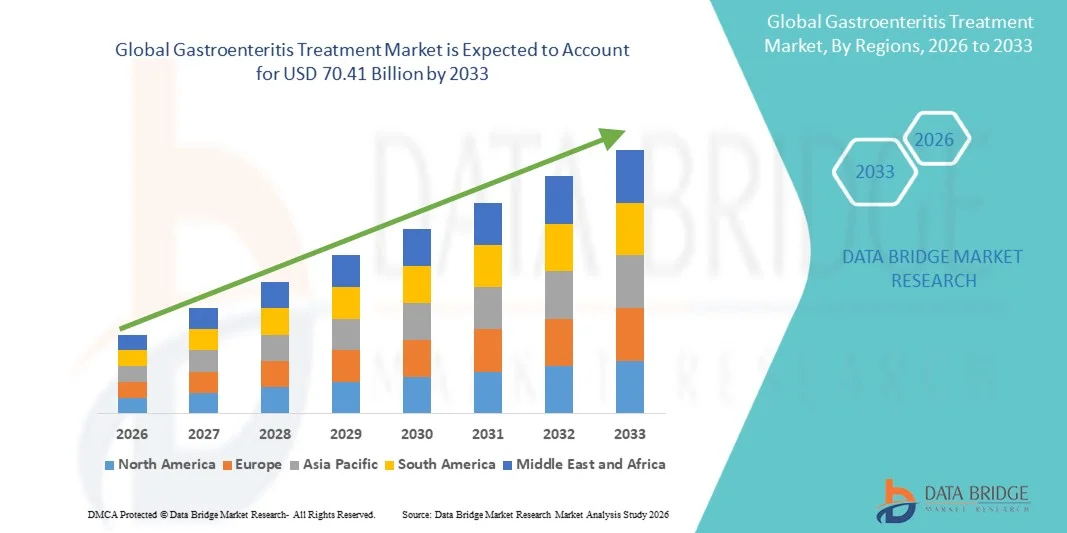
"According to the latest report published by Data Bridge Market Research, the Gastroenteritis Treatment Market The global gastroenteritis treatment market size was valued at USD 44.18 billion in 2025 and is expected to reach USD 70.41 billion by 2033, at a CAGR of 6.00% during the forecast period An influential Gastroenteritis Treatment...