Accent Chairs: How to Pick One That Actually Works in Your Room

A guide to choosing the right accent chair size, shape, and fabric for Indian living rooms and bedrooms.
An accent chair is supposed to be the easiest furniture decision in a room one statement piece, no complicated measuring against a dining table or matching to a sofa set. In practice, it is one of the more commonly mismatched purchases because people pick a chair they like in isolation, without considering how it will actually fit within the room's existing furniture, traffic flow, and proportions.
Here is a more deliberate way to approach it.
Decide the Chair's Job Before Choosing Its Look
Accent chairs generally serve one of a few specific roles, and knowing which one you need narrows the decision considerably. A reading chair needs a comfortable, slightly reclined backrest and enough depth to curl up in, usually positioned near a window or reading lamp. A conversational chair, meant to pair with a sofa in a seating arrangement, needs a seat height and depth that roughly match the sofa so seated eye lines are comfortable for conversation. A purely decorative statement chair, often placed in a corner or entryway as a visual anchor, offers greater comfort and flexibility since it sees lighter daily use.
Choosing the chair's primary function first prevents the common mistake of buying a striking-looking chair that turns out to be too low, too narrow, or too stiff for how it actually gets used.
Scale It Against the Room, Not Just the Photo
Accent chairs photographed in isolation can make it easy to underestimate how much visual and physical space they take up next to existing furniture. A general rule: an accent chair's seat height should be within an inch or two of the seat height of any sofa it will sit near, so the seating arrangement feels level rather than mismatched. For a room with a substantial sofa, a chair with a slimmer profile and exposed wood legs tends to balance the visual weight better than another bulky upholstered piece, while a room with mostly low-profile, minimal furniture can handle a chair with more presence.
Leave at least 30 to 36 inches of clearance between an accent chair and any walking path through the room, since chairs placed too close to traffic flow are avoided rather than used.
Wood Legs vs Upholstered Base
This affects both maintenance and how "heavy" the chair feels in a room. Exposed solid wood legs, typically tapered for a slightly modern look or turned for a more traditional one, keep the chair visually lighter and are easier to clean underneath, which matters in homes where floors get swept or mopped frequently. A fully upholstered base hides the legs entirely and gives a more substantial, cocoon-like look, but collects more dust at floor level and is harder to move for cleaning.
For smaller rooms where visual lightness matters, exposed wood legs are generally the better choice. For larger rooms or chairs meant as a cozy focal point, a fully upholstered base can work well.
Fabric and Pattern Choices That Age Well
An accent chair is a lower-commitment way to introduce a bolder pattern or color into a room than a sofa would be, since it covers less area and is easier to recover or replace later. That said, a few practical considerations still apply: textured solid fabrics in muted or jewel tones tend to stay relevant longer than highly trend-specific prints, which can start to feel dated within a couple of years. If the chair sits in direct sunlight for part of the day, prioritize fade-resistant fabric over pure aesthetics, since sun-faded patches on a single statement chair are far more noticeable than on a larger, more uniformly lit piece like a sofa.
For households with children or pets, a tightly woven performance fabric will hold up considerably better than loosely woven linen or boucle, both of which look elegant in showrooms but show wear quickly under daily contact.
Arm Height and Depth Affect Comfort More Than People Expect
Two chairs that look similar in photos can feel completely different when you actually sit in them, largely because of arm height and seat depth. Lower arms, generally below elbow height when seated, offer greater freedom of movement and suit a chair intended for shorter, casual use. Higher arms that support the full forearm are suited to a chair for longer reading or relaxing sessions. Seat depth matters similarly a shallow seat (around 20 inches) suits upright, conversational use, while a deeper seat (24 inches or more) suits curling up or sitting cross-legged.
If buying online without the chance to sit-test, check these two measurements specifically against a chair you already find comfortable at home, rather than relying on the product photo alone.
A Reference Point for Design and Finish
For a sense of how leg design, fabric quality, and proportions come together in a well-built accent chair, Twigs Direct's accent chair collection is a useful comparison point on craftsmanship and finish, regardless of where you eventually buy.
Final Thought
An accent chair works best when chosen for a specific role in the room rather than solely for visual appeal. Decide what the chair needs to do, scale it honestly against your existing furniture, and prioritize fabric and leg style that suit how the chair will actually be used day to day, and it becomes a piece that earns its spot in the room rather than one that gets relegated to "just for looks."
Catégories
Lire la suite
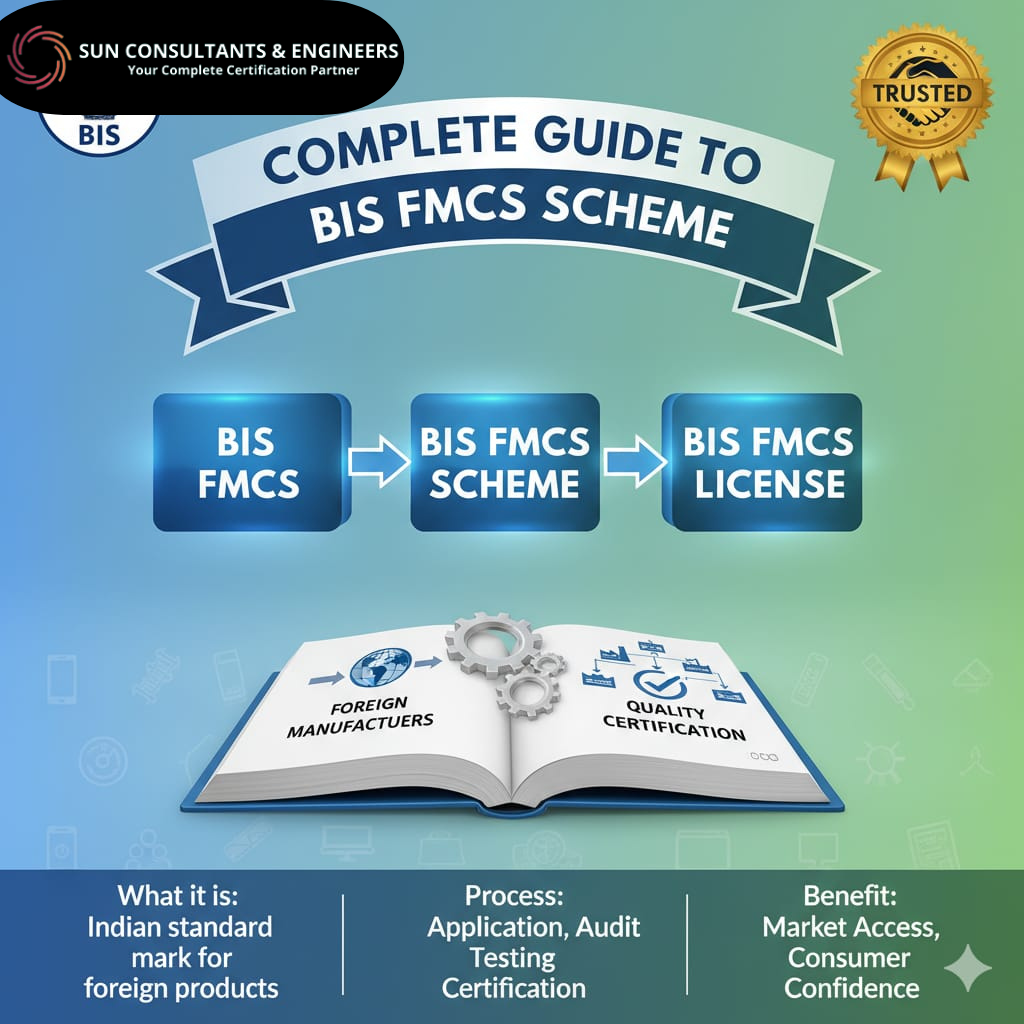
Introduction The BIS FMCS Scheme (Foreign Manufacturers Certification Scheme) is a mandatory certification system introduced by the Bureau of Indian Standards (BIS) for foreign manufacturers who want to sell their products in the Indian market. Under this scheme, foreign manufacturers must obtain a BIS license before exporting regulated products to India. India has strict quality...
In the financial industry, trust is everything. People rely on financial advisors, investment consultants, wealth managers, and accounting firms to help them make important decisions about their money. Before contacting a financial expert, most people spend time researching online. They visit websites to learn about the company, understand its services, read customer reviews, and decide whether...

The international cricket scene has a new king at the very top of the shortest format. Indian cricket fans are celebrating a massive shift in the official rankings this week. In the newest update, Ishan Kishan Becomes ICC No. 1 T20I Batter after showing top form on the big stage. He managed to displace his close team member after a series of high scoring matches. This major shift gives...

The latest report titled "Global Steel Pipe Piles Market Share and Ranking, Overall Sales and Demand Forecast 2026-2033" comes from Exactitude Consultancy, a top player in global market research. This comprehensive report dives deep into the global Steel Pipe Piles market, covering everything from market size and share to demand and the current state of the industry, along with...

"Europe Remote Patient Monitoring and Care Market Summary: According to the latest report published by Data Bridge Market Research, the Europe Remote Patient Monitoring and Care Market Data Bridge Market Research analyzes that the Europe remote patient monitoring and care market is expected to reach the value of USD 6,258.62 million by 2030, at a CAGR of 14.2% during the forecast...