At What Age Do You Become a Senior Pilot

Many aspiring pilots wonder if there is a certain age when they officially become a "senior pilot." The simple answer is no. In aviation, experience matters far more than age. No licence or certification automatically makes someone a senior pilot once they reach a particular birthday. Instead, pilots earn greater responsibilities by building flying hours, developing strong technical skills, and consistently demonstrating safe decision-making throughout their careers.
Whether someone starts flight training at 20, 25, or even 30, their journey follows a structured progression. Every airline has its own promotion process, but the path from student pilot to captain is generally based on qualifications, experience, and performance rather than age.
The first step is becoming a Student Pilot. At this stage, aspiring aviators learn the fundamentals of aviation through ground school and practical flight training. Students study subjects such as Air Navigation, Aviation Meteorology, Air Regulations, Principles of Flight, and Aircraft Technical General while gaining hands-on flying experience with qualified flight instructors.
After completing the required flying hours, passing the necessary examinations, and meeting medical requirements, students earn their Commercial Pilot Licence (CPL). Holding a CPL means a pilot is legally qualified to fly commercially, but it is only the beginning of a professional aviation career. New CPL holders continue building experience before joining an airline or another commercial aviation operation.
The next milestone for many pilots is becoming a First Officer, also known as a co-pilot. First Officers work alongside experienced captains and are responsible for operating the aircraft, communicating with air traffic control, monitoring aircraft systems, and sharing decision-making responsibilities during every flight. This stage is where pilots gain valuable real-world airline experience and continue accumulating flight hours.
As pilots gain experience, they may be promoted to Senior First Officer. Although the title and responsibilities vary between airlines, senior first officers typically have more flying experience, greater operational knowledge, and additional responsibilities within the flight deck. They continue preparing for the next major step in their careers, becoming a captain.
Promotion to Captain is one of the most significant milestones in aviation. Captains have the final authority and responsibility for the safety of the aircraft, passengers, crew, and flight operations. Reaching this position requires meeting an airline's minimum flying hour requirements, successfully completing command training, and demonstrating consistent professionalism, leadership, and technical competence.
For many airline pilots, becoming a captain takes approximately five to fifteen years after joining an airline. The exact timeline depends on several factors, including airline expansion, fleet growth, recruitment demand, available command positions, and the pilot's individual performance. During periods of rapid airline growth, promotions may happen faster, while slower industry growth can extend the timeline.
For example, someone who begins pilot training at 22 may become a captain in their early or mid-30s. Another person who starts training at 30 could achieve the same milestone in their late 30s or early 40s. The difference is not determined by age but by when they started their aviation career and how quickly they progressed through the required experience levels.
Some experienced captains eventually become Training Captains or Examiners. These pilots are responsible for training new pilots, conducting simulator sessions, evaluating flight performance, and ensuring that airline standards are consistently maintained. These positions represent years of operational experience and a strong record of safe flying.
Because of this career progression, the phrase "senior pilot" is often used informally rather than as an official designation. Some people use it to describe experienced captains, while others may refer to senior first officers or instructor pilots. There is no aviation authority that issues a licence called "Senior Pilot."
For aspiring pilots, focusing too much on age can become a distraction. A far better approach is to concentrate on building knowledge, gaining flying experience, maintaining medical fitness, and developing the skills that airlines value most. Safe decision making, professionalism, communication, teamwork, and technical competence are the qualities that lead to promotions throughout a pilot's career.
If your goal is to become a commercial pilot, remember that aviation rewards consistency and dedication. Every captain once sat in the cockpit as a beginner, learning the basics and building experience one flight at a time. With patience and commitment, every stage of the journey prepares you for the next.
If you're researching pilot training, take time to compare different academies, understand their curriculum, and speak with instructors or current students before enrolling. Many aspiring pilots also explore MH Cockpit while researching DGCA ground training because of its industry-focused approach. However, it's always wise to compare multiple training providers and choose the academy that best matches your learning style, career goals, and long-term aspirations.
Nach Verein filtern
Read More
How Streetwear Became a Global Fashion Choice Streetwear began as a simple style inspired by music, sports, and city life. Over time, it grew into one of the biggest fashion movements in the world because people wanted clothing that felt relaxed while still looking stylish. However, modern streetwear is no longer limited to one age group or community. In addition, designers now create...

Finding a reliable dental clinic in Las Vegas is essential for maintaining lifelong oral health, and Lone Mountain Dental stands out as a trusted destination for comprehensive dental care. Known for its patient-first approach, the clinic offers a wide range of services designed to meet the needs of individuals, families, and professionals seeking dependable dental solutions. At Lone Mountain...

Lahore is a city known for its rich culture, modern infrastructure, and rapidly growing real estate sector. Whether you’re planning to build a house, commercial plaza, or renovate an existing space, choosing the right architectural design services in Lahore is one of the most important decisions you’ll make. A well-designed structure not only enhances aesthetics but also improves...

Islamic Marriage Counselling Services in UK Marriage is one of the most valued relationships in Islam, built on love, mercy, trust, and mutual respect. However, every couple faces challenges at different stages of their journey. Whether it's communication issues, misunderstandings, financial concerns, or family conflicts, seeking guidance can help restore harmony. Imam Connect offers...

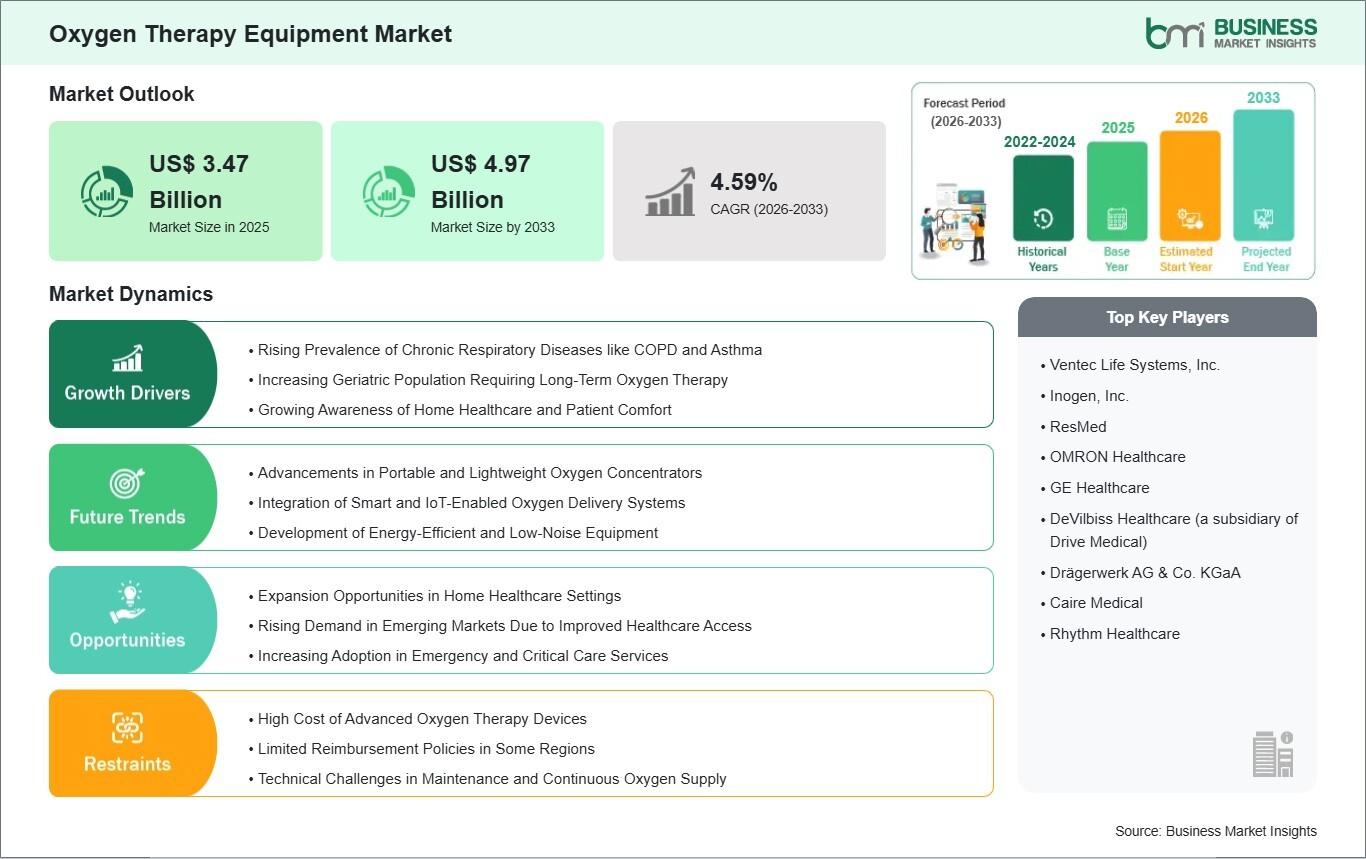
The global healthcare sector is witnessing a profound shift in respiratory care management, transitioning from traditional, hospital-bound treatments to advanced, patient-centric homecare solutions. According to Business Market Insights, the global Oxygen Therapy Equipment Market size is expected to reach US$ 4.97 Billion by 2033 from US$ 3.47 Billion in 2025, registering a CAGR of 4.59% from...