Moisture-Wicking Socks: Keep Your Feet Dry
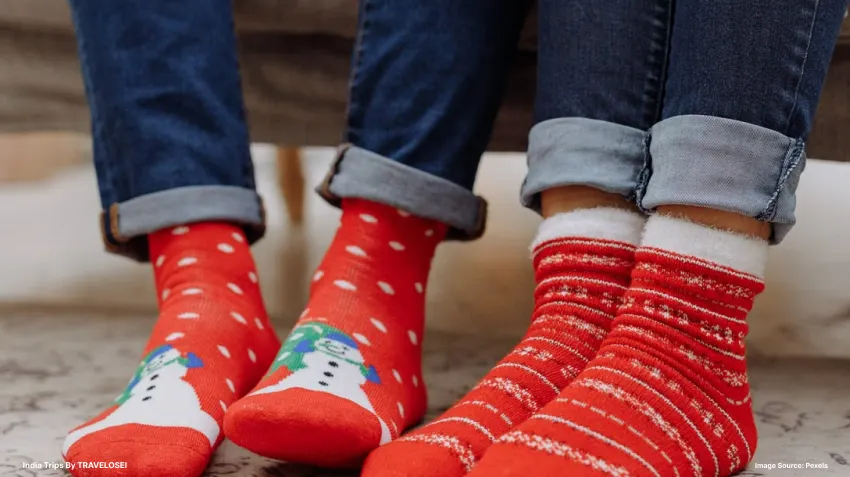
Sweaty feet are more than just uncomfortable, they can also lead to real problems like blisters and fungal infections if not managed properly. Moisture-wicking socks are designed specifically to tackle this issue. This guide explains how the technology works and how to choose the right pair.
How Moisture-Wicking Fabric Technology Works
Moisture-wicking fabric is designed to pull sweat away from your skin and move it toward the outer surface of the sock, where it can evaporate more easily. This is different from regular cotton, which tends to absorb moisture and hold onto it, leaving your feet damp for longer periods. Synthetic fibers like polyester and specialized blends are commonly used to achieve this wicking effect.
Benefits for Athletes and Active Lifestyles
Athletes in particular benefit a lot from moisture-wicking socks, since intense activity naturally increases sweat production. Keeping feet dry during a workout or run helps reduce friction, which lowers the risk of blisters forming during activity. It also helps regulate temperature better than damp fabric, which can make a noticeable difference during longer training sessions.
Preventing Blisters and Fungal Infections
Damp feet create the perfect environment for both blisters and fungal infections like athlete's foot to develop. Moisture-wicking socks help reduce this risk significantly by keeping your feet drier throughout the day, whether you are working out, at work, or just going about your regular routine. This is especially helpful for people prone to sweaty feet even outside of intense physical activity.
Best Materials for Moisture-Wicking Performance
Polyester blends, nylon, and specialized synthetic fibers designed specifically for wicking moisture tend to perform the best. Merino wool is another popular option, since it naturally manages moisture while also offering some odor resistant properties. Pure cotton, while comfortable, is generally not considered a great moisture-wicking option since it tends to absorb and hold sweat rather than move it away from the skin.
Choosing Socks for Different Activities
For running or intense workouts, look for socks specifically marketed for athletic performance, often with extra cushioning in high impact areas along with the moisture-wicking fabric. For everyday wear, a lighter moisture-wicking blend without heavy cushioning might be more comfortable, especially if you are pairing them with dress shoes or regular sneakers for daily activities.
Caring for Moisture-Wicking Fabric Properly
To keep moisture-wicking socks performing well, wash them in cool or warm water rather than hot, which can break down the synthetic fibers responsible for the wicking effect over time. Avoid fabric softener, since it can coat the fibers and reduce their ability to move moisture effectively. Air drying or using a low heat setting will also help preserve the fabric's performance longer.
Signs It's Time to Replace Them
If you notice your feet feeling damp more quickly than they used to, even during the same activities, it might be a sign that the moisture-wicking properties have worn down over time. Thinning fabric, visible wear in high friction areas, or a general loss of that snug, supportive fit are all good indicators that it is time for a fresh pair.
Keeping your feet dry might seem like a small detail, but it makes a real difference in comfort and foot health over time. Moisture-wicking socks are a simple upgrade that pays off, whether you are an athlete, someone who is active daily, or just someone who wants drier, more comfortable feet.
FAQs
Are moisture-wicking socks only useful for athletes? No, anyone dealing with sweaty feet, whether from activity, warm weather, or just personal tendency, can benefit from wearing moisture-wicking socks daily.
Do moisture-wicking socks help prevent athlete's foot? Yes, by keeping feet drier, they reduce the damp environment that fungal infections like athlete's foot need to thrive, though good hygiene habits are still important too.
How often should I replace moisture-wicking socks? Most people find they need to replace them every few months with regular wear, sooner if you notice the fabric no longer keeps your feet as dry as it used to.
الأقسام
إقرأ المزيد
The Rail Axle Bearings and Seals Market is experiencing consistent growth as railway operators worldwide invest in modern rail infrastructure, high speed transportation, and freight network expansion. Axle bearings and seals are essential components of railway wheelsets, ensuring smooth rotation, reducing friction, protecting against contaminants, and extending the service life of rail...

Aging does not mean you have to stop being independent. Independence is very important to a lot of people. It makes people feel good about ageing people and the fact that they are independent. Aging people are happy when they are able to do things on their own and make their decisions. The thing that makes ageing people happy is being independent. It makes ageing people feel happy and good...

In industrial minerals, bentonite holds a special place for its binding, swelling, and absorbent properties. When processed through controlled thermal treatment, it becomes roasted bentonite—a refined version that offers greater strength, purity, and heat resistance. In India, the demand for roasted bentonite has surged due to its extensive use in steel, foundry, and construction sectors....
"Detailed Analysis of Executive Summary Diet Candy Market Size and Share The global diet candy market size was valued at USD 1.41 billion in 2025 and is expected to reach USD 1.84 billion by 2033, at a CAGR of3.4% during the forecast period The Diet Candy report makes available the current and forthcoming technical and financial details of the industry....
Garten für Geosaurus In Honkai: Star Rail dreht sich das Event „Gemeinsam einen Geosaurus großziehen“ ganz um die liebevolle Betreuung eines kleinen Wesens, das aus einem riesigen Ei in der belebten Stadt Ochem entstanden ist. Als Spieler schlüpfen Sie in die Rolle eines Lehrers und kümmern sich täglich um Ihren Nachwuchs, indem Sie einen passenden...