Atlanta Workplace Safety: A Guide to Automated External Defibrillator Regulations

When a medical emergency strikes an office, warehouse, or school, seconds determine the outcome. Workplace safety managers must understand that having the right equipment is only half the battle. You also need to navigate local compliance rules, which include deploying a visible automated external defibrillator in Atlanta, GA device and ensuring your response team has proper training.
If your organization is updating its safety protocols, using an American Heart Association first aid, CPR, and AED online, Atlanta, GA, program offers an excellent, flexible way to train your workforce while staying fully compliant with Georgia laws.
In this article, we will explore:
● The core workplace requirements mandated by Georgia AED statutes.
● The requirement for professional medical supervision and EMS management.
● Regular maintenance protocols needed to keep devices ready for use.
● Training options that satisfy local workforce safety compliance.
Georgia AED Laws: What Your Business Needs to Know
Georgia doesn’t require every single private business to install a defibrillator, but the state regulates heavily any business that chooses to buy one. If you install a device on your commercial property, you have to adhere to strict operating guidelines to ensure public safety. If these standards are not met, there could be legal liabilities, and meeting them provides protection under the local Good Samaritan laws.
The regulatory framework is designed for preparation and fast communication:
● Physician Involvement: Every workplace AED program must involve a licensed physician to provide medical oversight and ensure usage guidelines are up to par.
● EMS Registration: Prior to placing the device into service, you must notify local emergency dispatch agencies of the exact location and model of the device.
● Clinical Incident Reporting: If the device is used during a cardiac event, emergency services should be called immediately and the clinical data will need to be shared with your supervising physician.
Maintenance: Keeping Life-Saving Tools Functional
An unmaintained defibrillator is a major safety hazard. Georgia state regulations demand that all device owners inspect and test their equipment regularly according to the manufacturer’s exact specifications. This means performing routine battery checks, verifying that adult and pediatric pads are not expired, and keeping detailed logs of your monthly assessments.
Building a Compliant Response Team
The law states that any employee expected to operate the device should receive formal training. Blended training courses allow staff to study cognitive theory at their own pace online and complete a brief, practical skills test locally. This way, your emergency response team knows exactly how to apply pads, follow voice prompts, and coordinate chest compressions seamlessly.
Conclusion
A compliant safety program protects you and your employees from unnecessary risk. Certified training, routine maintenance, and a properly placed automated external defibrillator, Atlanta, GA, unit on site are required to stay compliant. When it is time to certify your staff with an official American Heart Association first aid, CPR, AED online Atlanta, GA course, team up with local experts like Newnan CPR & AED. They provide authorized AHA and HSI-certified classes with flexible, blended learning options and same-day physical cards to keep your workplace fully safe and compliant.
Catégories
Lire la suite
According to a new report from Intel Market Research, the global Perishable Goods Transportation market was valued at USD 16.67 billion in 2024 and is projected to reach USD 26.36 billion by 2032, growing at a robust CAGR of 6.9% during the forecast period. The market is driven by rising global demand for fresh and frozen food, stringent food safety regulations, and technological advancements...

The thermoforming plastic market is experiencing steady growth as industries increasingly adopt lightweight, cost-efficient, and versatile plastic processing solutions. Thermoforming plastics are widely used in food packaging, healthcare, consumer electronics, and automotive applications due to their flexibility, design precision, and ability to support high-volume production. With rising...
Since the introduction of Value Added Tax, VAT filing in the UAE has become a mandatory compliance requirement for registered businesses. Governed by the Federal Tax Authority (FTA), VAT filing ensures transparency in business transactions and enables the government to regulate indirect taxation effectively. For businesses operating in Dubai and across the UAE, timely and accurate VAT filing is...
The moment a doctor delivers a cancer diagnosis, time seems to warp. For many men, the room goes quiet, and the future, which once seemed clear, suddenly becomes a fog of uncertainty. However, as we have explored before, this moment is not a period at the end of your life’s sentence; it is merely a comma. It marks the beginning of a complex prostate cancer treatment journey that thousands...

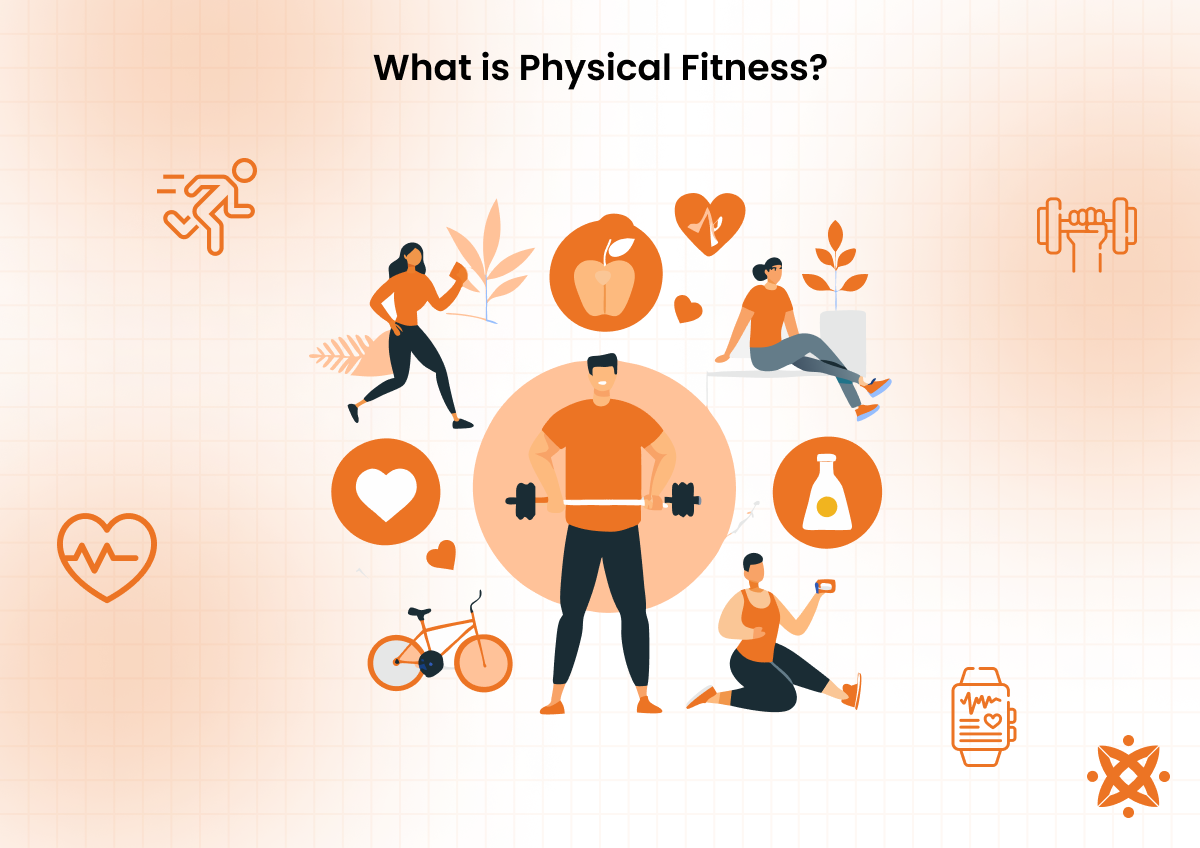
Good physical health is the foundation of a strong, energetic, and fulfilling life. When your body functions well, everything else becomes easier—your mind works better, your mood stays balanced, and your daily tasks feel more manageable. Many people know physical health is important, but not everyone understands how to build and maintain it in simple, realistic ways. This...