Global Lotus Extract Market Outlook 2032: Rising Demand in Cosmetics, Pharmaceuticals, and Functional Foods Drives Growth

The global lotus extract market is witnessing notable growth as industries increasingly embrace plant-based ingredients for health, wellness, and beauty applications. Lotus extract, derived from various parts of the lotus plant including leaves, petals, roots, stems, and rhizomes, has gained substantial attention due to its therapeutic, nutritional, and cosmetic benefits. According to market estimates, the global lotus extract market was valued at US$ 69 million in 2022 and is projected to reach US$ 168.7 million by the end of 2032, expanding at a compound annual growth rate (CAGR) of 9.3% during the forecast period.
The growing consumer inclination toward herbal remedies, clean-label cosmetics, and natural health supplements is playing a major role in driving market expansion. Lotus extract has been an important part of traditional medicine systems such as Ayurveda and Traditional Chinese Medicine for centuries, and its relevance in modern applications continues to strengthen.
Growing Role of Lotus Extract in Cosmetics and Personal Care
One of the major growth factors for the lotus extract market is its increasing use in the cosmetics and personal care industry. Lotus flower extract is widely recognized as a powerful botanical ingredient that provides multiple skincare benefits. Rich in antioxidants, flavonoids, vitamins, fatty acids, and minerals, lotus extract helps protect the skin from environmental stressors, reduce inflammation, and improve hydration.
The skincare sector has increasingly adopted lotus extract in formulations such as moisturizers, serums, face masks, cleansers, and anti-aging creams. The extract is known for its ability to regulate sebum production, making it highly suitable for oily and acne-prone skin. Its anti-inflammatory and skin-soothing properties make it a preferred ingredient for sensitive skin formulations as well.
Vitamin C and B-complex compounds present in lotus petals contribute significantly to skin brightening, collagen production, and anti-aging benefits. Additionally, lotus extract supports skin regeneration, making it a valuable ingredient in premium beauty products.
As consumer demand shifts toward plant-based, chemical-free, and sustainable skincare solutions, lotus extract is expected to witness stronger adoption in the coming years.
Expanding Applications in Pharmaceuticals
The pharmaceutical industry is another key contributor to the lotus extract market’s growth. Lotus has been widely used for medicinal purposes due to its rich phytochemical composition, including alkaloids, flavonoids, tannins, and polyphenols. These compounds are known for their antioxidant, anti-inflammatory, anti-obesity, and cardiovascular benefits.
The increasing prevalence of obesity and related lifestyle diseases has significantly boosted demand for lotus extract-based weight management supplements. Flavonoids and tannins found in lotus leaves are linked with improved metabolism, fat reduction, and better heart health.
Lotus extract also supports healthy digestion due to its high fiber content, promoting intestinal movement and toxin removal. Moreover, it is increasingly being studied for its benefits in improving blood circulation, reducing blood pressure, and managing anxiety and sleep disorders.
In women’s healthcare, lotus extract has a long-standing role in regulating menstrual bleeding and uterine health. Its anticoagulant and phytochemical-rich properties make it useful in treating excessive bleeding and blood clot-related complications.
As herbal medicine gains acceptance globally, lotus extract is expected to become an increasingly important ingredient in pharmaceutical formulations.
Rising Demand in Functional Food and Beverage Industry
Lotus extract is also emerging as a valuable ingredient in the functional food and beverage sector. The growing awareness regarding preventive healthcare and nutritional wellness has fueled demand for natural ingredients with health-enhancing properties.
The lotus extract market in food and beverages is currently pegged at 400 metric tons (MT) and is expected to reach 817 MT by the end of 2032, indicating strong growth potential. Lotus extract is being incorporated into herbal teas, wellness drinks, health supplements, nutrition bars, and dietary products.
Its nutritional profile, including fiber, essential minerals, and antioxidants, supports digestive health, immunity, and metabolism, making it a preferred ingredient for health-conscious consumers.
The increasing popularity of herbal beverages and plant-based nutrition products is likely to create significant opportunities for lotus extract manufacturers.
Segment Analysis
Based on nature, the conventional segment dominates the market and is projected to reach US$ 132.5 million by 2032, accounting for approximately 81.7% market share. Conventional lotus extract remains the preferred choice due to its affordability, easy availability, and large-scale production.
On the basis of distribution channel, the business-to-business (B2B) segment holds a significant market value of US$ 47.4 million in 2022 and is expected to grow at a CAGR of 9.2% during the forecast period. This dominance is attributed to the increasing demand from pharmaceutical, cosmetic, and food processing companies.
In terms of extraction methods, solvent extraction remains widely used due to cost-effectiveness, while Supercritical Fluid Extraction (SCFE) is gaining traction for producing high-purity extracts.
Regional Insights
Europe currently stands out as one of the leading regions in the lotus extract market, holding a market share of 23.7% globally. The region’s strong inclination toward natural skincare, herbal medicine, and organic food products supports this dominance.
Within Europe, Germany leads with a market share of approximately 17.7%, driven by a robust herbal healthcare industry and increasing consumer demand for botanical ingredients. The United Kingdom follows with a market share of around 13.0%, supported by growing demand for plant-based wellness products.
North America is also witnessing growing adoption of lotus extract, particularly in dietary supplements and premium skincare formulations. Meanwhile, Asia-Pacific remains an important market due to the cultural significance of lotus in countries such as India, China, Japan, and Thailand.
Market Challenges and Restraints
Despite strong growth potential, the lotus extract market faces certain challenges. Excessive consumption of lotus extract can cause adverse effects such as gastrointestinal discomfort, drowsiness, chest pain, slurred speech, increased heart rate, and internal bleeding.
The psychoactive nature of some lotus compounds also raises concerns regarding safe consumption. Combining lotus extract with substances like alcohol or cannabis may increase health risks, which can act as a barrier for wider market acceptance.
Regulatory compliance and product standardization also remain major challenges for manufacturers.
Competitive Landscape and Strategic Developments
Key players in the lotus extract market are focusing on product quality, certifications, and expanding their distribution networks to strengthen market presence. Certifications such as USDA-NOP, FDA, Kosher, Halal, Fairtrade, and ISO standards are becoming increasingly important in building consumer trust and ensuring product authenticity.
For example, HDDES has secured certifications including FSSC 22000, ISO 22000, and SMETA, while Naturex has strengthened its position with GMO-free, Vegan, Halal, and HACCP certifications.
Some of the leading companies operating in the lotus extract market include:
- Mane KANCOR
- HDDES
- Naturex
- Manohar Botanical Extracts Pvt. Ltd.
- Veda Oils
- Texas Natural Supply LLC
- Carrubba
- Vivaan
- Mother Herbs Private Ltd.
- Omkar Herbals
- Herbadiet
- Hawaii Pharm LLC
These companies are investing in product innovation, research, and sustainable sourcing practices to meet evolving market demands.
Future Outlook
The future of the lotus extract market appears highly promising, driven by increasing demand across cosmetics, pharmaceuticals, and food applications. The shift toward herbal wellness, clean beauty, and functional nutrition is expected to create sustained growth opportunities.
As consumers continue to prioritize natural and plant-derived ingredients, lotus extract will likely remain a high-potential botanical ingredient in global markets. Advancements in extraction technologies, improved product formulations, and rising awareness about its health benefits will further accelerate market growth through 2032.
Categorie
Leggi tutto
Alliance Activity System On March 3, 2025, a fresh feature called Alliance Activity Triumph was introduced, revolutionizing how players earn rewards within their alliances. This update offers new avenues to accumulate alliance tokens, which can be exchanged in the alliance shop for various items. By claiming rewards from the intel station and opening the top-tier daily mission chests, players...

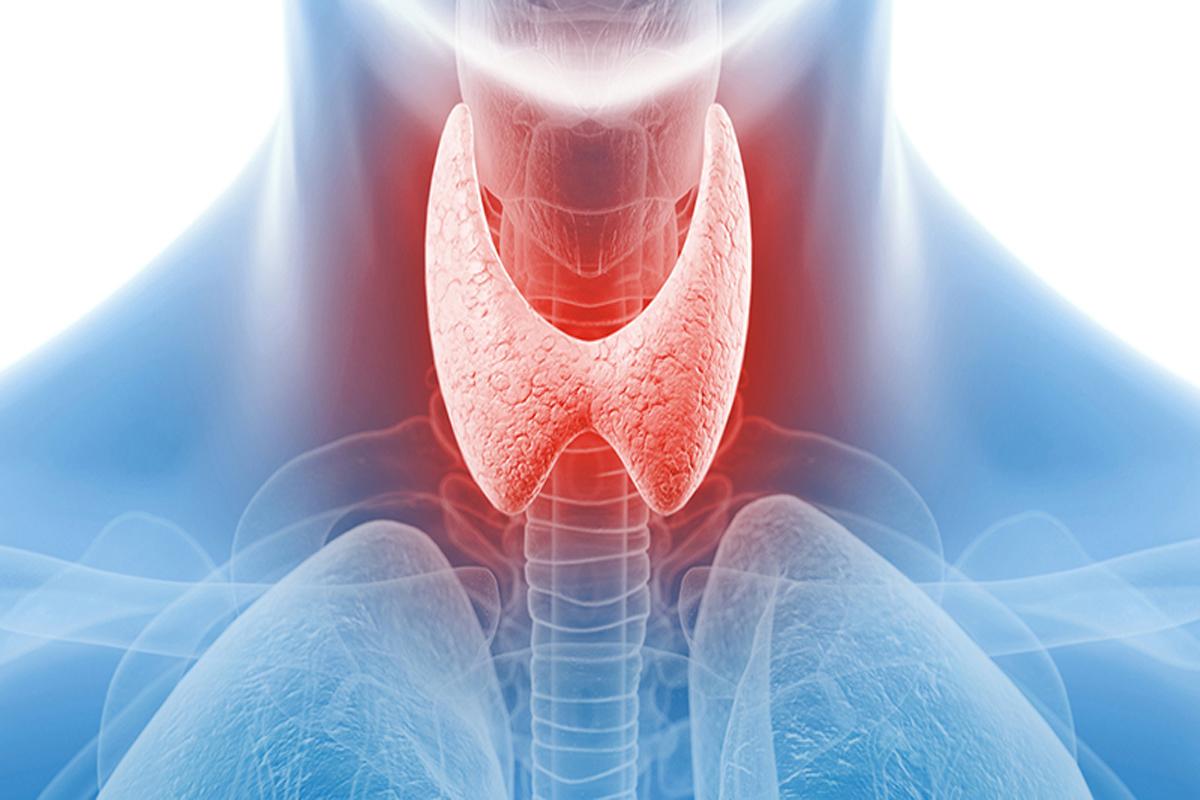
Your body works like a well-organized system where every organ has a special role. One small but powerful gland that often goes unnoticed is the thyroid. Even though it is tiny, it has a huge impact on your energy, weight, mood, and overall well-being. Understanding and caring for Thyroid Health can help you feel more balanced, active, and mentally clear. This article explains...
"Unattended Terminals Market Summary: According to the latest report published by Data Bridge Market Research, the Unattended Terminals Market CAGR Value The global unattended terminals market size was valued at USD 2.95 billion in 2024 and is expected to reach USD 5.83 billion by 2032, at a CAGR of 8.9% during the forecast period For generating the...
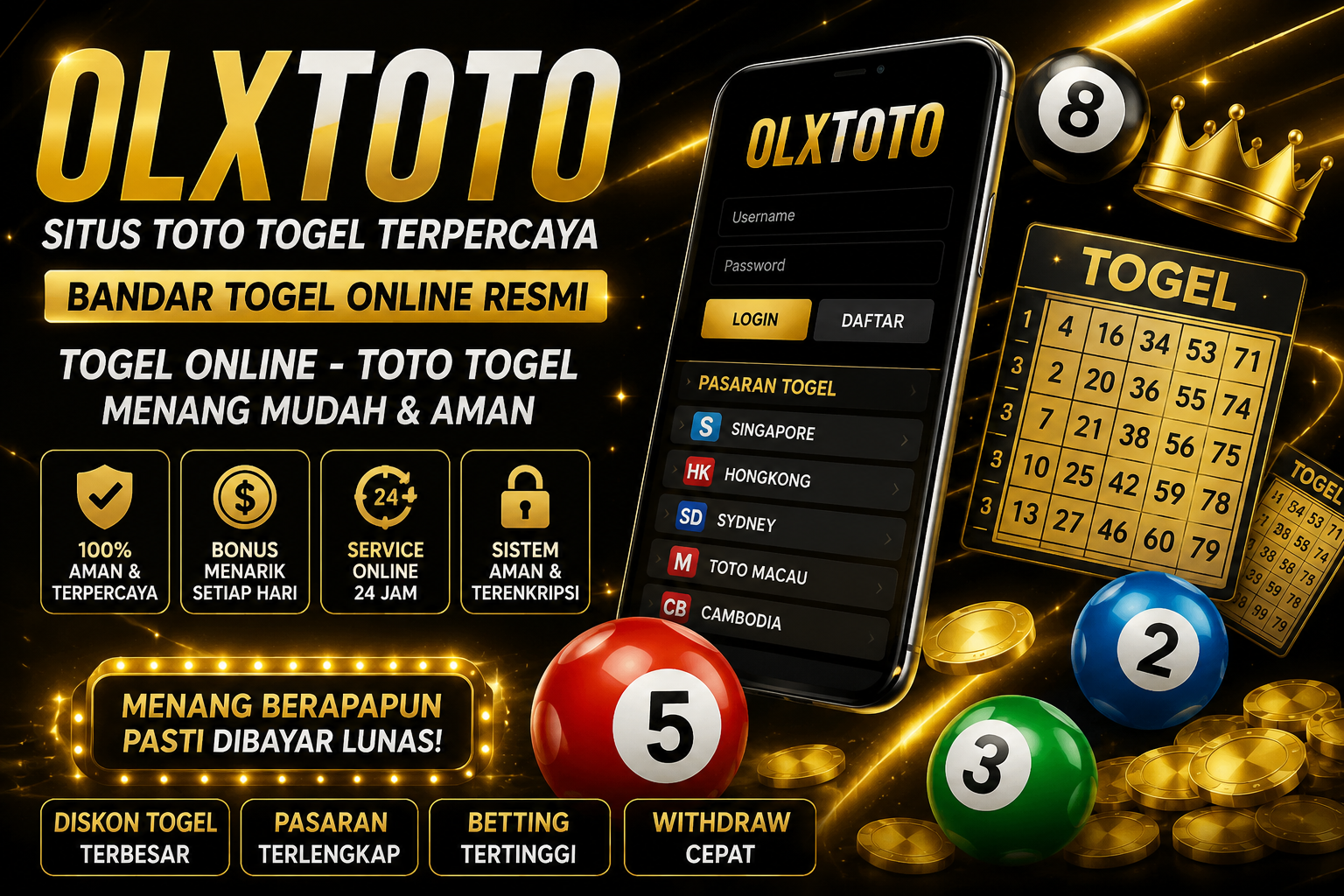
Di era digital saat ini, togel online semakin diminati di kalangan pemain online di Indonesia. Banyak pemain mencari platform yang nyaman, cepat, dan memiliki service terbaik untuk mendapatkan pengalaman bermain yang nyaman. Salah satu nama yang kini banyak diperbincangkan adalah Olxtoto sebagai situs toto togel terpercaya dengan berbagai pilihan permainan menarik dan peluang kemenangan besar....
Chronic pain is more than just a lingering ache — it can affect sleep, mood, mobility, and overall quality of life. For many patients, especially those dealing with nerve-related discomfort, common painkillers simply don’t provide enough relief. That’s where Maxgalin 75 comes in. This pregabalin-based medication is widely used in modern pain management to calm overactive...