


Global Rose Extract Market Outlook 2032: Rising Demand in Cosmetics, Food, and Wellness Applications Fuels Growth

The global rose extract market is witnessing notable growth, driven by increasing consumer preference for natural ingredients across cosmetics, food, and wellness industries. Rose extract, known for its therapeutic, antibacterial, antifungal, and antioxidant properties, has become a valuable ingredient in various end-use applications. According to market estimates, the global rose extract market was valued at US$ 411.4 million in 2022 and is projected to reach US$ 742.7 million by 2032, expanding at a CAGR of 6.1% during the forecast period.
Growing Importance of Rose Extract Across Industries
Rose extract has emerged as a multifunctional botanical ingredient, gaining widespread popularity due to its broad range of benefits. Derived from rose petals through different extraction methods, rose extracts are commonly available in forms such as rose oil, rose concrete, rose absolute, and rose water. These extracts are widely used in skincare formulations, perfumes, aromatherapy products, food ingredients, and household applications.
The increasing inclination toward herbal and organic ingredients has significantly boosted the demand for rose extract globally. Consumers today are becoming more aware of the harmful effects of synthetic chemicals, encouraging brands to incorporate natural alternatives into their products. This shift is particularly visible in personal care and wellness products, where rose extracts are increasingly used for their soothing and healing properties.
Cosmetics & Personal Care Leading Market Expansion
Among all end-use industries, the cosmetics and personal care sector remains the largest consumer of rose extracts. The segment was valued at US$ 155.6 million in 2022 and is expected to reach US$ 303.9 million by 2032, reflecting robust demand throughout the forecast period.
Rose extracts are highly valued in skincare products due to their ability to reduce redness, soothe irritation, and combat bacterial infections. They are commonly found in face toners, moisturizers, cleansers, serums, and anti-aging formulations. Their anti-inflammatory properties make them suitable for sensitive, oily, dry, and acne-prone skin.
Additionally, the rising popularity of natural fragrances in perfumes and body care products is further strengthening market demand. Premium cosmetic brands are increasingly adopting rose-based ingredients to cater to the growing demand for clean-label beauty products.
Rose Water Dominates by Type
Based on type, rose water holds the dominant share in the global rose extract market in terms of volume. The segment accounted for approximately 4,769 tons in 2022 and is anticipated to expand at a volume CAGR of 4.4% during the forecast period.
Rose water has become a versatile product due to its wide application in beauty routines, culinary preparations, and wellness therapies. It is used as a facial toner, natural flavor enhancer in desserts and beverages, and as a therapeutic spray in aromatherapy. Its affordability compared to premium rose oils and absolutes makes it highly accessible to a broader consumer base.
Rising Demand for Functional Food Ingredients
One of the major trends accelerating the rose extract market is the increasing demand for health-beneficial food ingredients. Consumers are actively seeking food products that offer nutritional value while contributing to long-term health.
Rose extract is rich in antioxidants, which support heart health and reduce oxidative stress. These properties have encouraged food manufacturers to integrate rose extracts into beverages, herbal teas, confectionery, and health supplements.
Changing lifestyles, unhealthy eating habits, and increasing obesity rates are further influencing consumer choices toward healthier alternatives. According to the World Health Organization (WHO), obesity and overweight conditions are among the leading causes of cardiovascular diseases globally. This has significantly increased the demand for natural food additives with health-promoting benefits, creating opportunities for rose extract manufacturers.
Growing Popularity of Aromatherapy
The global aromatherapy industry is another major growth contributor to the rose extract market. Rose extracts are extensively used in essential oils and therapeutic blends for stress relief, emotional balance, and relaxation.
The increasing prevalence of mental health issues such as stress, anxiety, and fatigue has driven the adoption of aromatherapy as a natural healing solution. Rose-based aromatherapy products are particularly popular due to their calming and mood-enhancing effects.
Europe, especially Germany and France, is experiencing significant growth in this segment. Consumers in these countries are increasingly opting for natural treatments to manage physical and mental health conditions, boosting rose extract consumption.
Organic Rose Extracts Gaining Momentum
Organic rose extracts are rapidly gaining traction as consumer awareness regarding sustainability and health benefits continues to grow. The organic segment is becoming a crucial part of the overall market, especially in premium skincare and food products.
Government initiatives promoting organic farming are playing a key role in market expansion. Organic cultivation reduces pollution, enhances environmental sustainability, and offers safer products to consumers. Programs such as the Participatory Guarantee System (PGS) and the USDA’s organic certification support programs are encouraging farmers and producers to increase organic cultivation and processing.
This trend is creating substantial growth opportunities for manufacturers specializing in certified organic rose extracts.
Regional Insights: Europe Leads While Asia Offers Strong Growth Potential
From a regional perspective, Europe remains a dominant market for rose extract, driven by strong demand from cosmetics and aromatherapy sectors. Within Europe, Germany accounted for the highest market share of 18.7% in 2022 and is projected to reach US$ 48.9 million by 2032.
The region’s preference for natural wellness products and premium beauty formulations is contributing to strong market growth. Countries like Germany and France are particularly focused on aromatherapy and herbal remedies.
Meanwhile, East Asia and South Asia are emerging as high-growth markets. The expansion of the food and beverage industry, rising disposable incomes, and growing health consciousness in countries such as China, India, Japan, and South Korea are creating favorable opportunities. Increasing urbanization and the popularity of natural personal care products are expected to accelerate demand further.
Competitive Landscape and Strategic Developments
The rose extract market remains highly competitive, with several global and regional players focusing on product innovation, quality assurance, and organic certifications to strengthen their market position.
Manufacturers are investing heavily in research and development to diversify their product portfolios and improve extraction efficiency. Companies are also emphasizing sourcing high-quality raw materials and complying with international quality standards.
For example, Xi'an Peihong Biotechnology Co., Ltd. is investing in advanced R&D facilities to develop innovative and healthy ingredient solutions. Similarly, Alteya Organics LLC is strengthening its market presence through USDA-certified organic products and third-party validation systems.
Key market players include Green Leaf Solutions, Rosesattar, Sakha International, Alba Grups LTD, Alteya Organics, Aromaaz International, Ecomaat, First Natural Brands Ltd., Fleurchem, Inc., India Essential Oils, Thracian Oils Ltd., Xi'an Peihong Biotechnology Co., Ltd., Vaibhav Perfumery, Xena Bio Herbals, and Zahra Rosewater Company.
Future Outlook
The future of the global rose extract market looks promising, supported by increasing demand for natural, organic, and multifunctional ingredients. The market’s growth will be fueled by expanding applications in cosmetics, food, aromatherapy, and household products.
With rising consumer preference for plant-based wellness products and continuous product innovation by manufacturers, the industry is expected to maintain a strong growth trajectory through 2032. Emerging markets in Asia, combined with the strong established demand in Europe, will continue to shape the future of the rose extract industry.
Nach Verein filtern
Read More
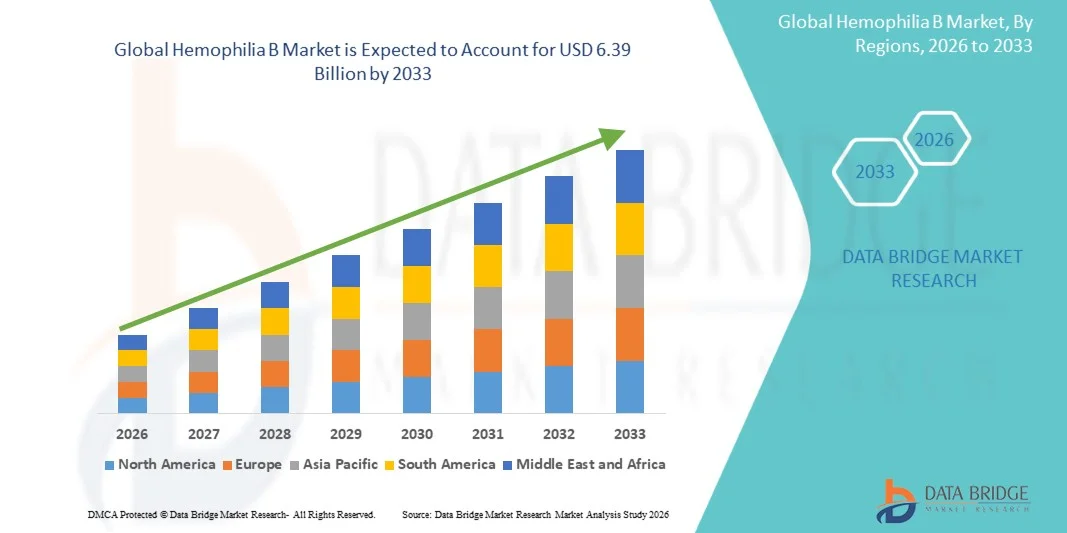
"Hemophilia B Market Summary According to the latest report published by Data Bridge Market Research, the Hemophilia B Market The global Hemophilia B market size was valued at USD 3.21 billion in 2025 and is expected to reach USD 6.39 billion by 2033, at a CAGR of 9.00% during the forecast period Hemophilia B Market survey report is intended to help...
Buying your first home is one of the biggest financial milestones you'll ever achieve. However, with hundreds of mortgage products available from banks and lenders across the UK, finding good mortgage deals for first time buyers can feel overwhelming. Interest rates, deposit requirements, repayment terms, and lender criteria all play a major role in determining which mortgage is best...

For those who have traversed the lower reaches of Pharloom and delved into Act 3 of Hollow Knight: Silksong, the hidden realm of Verdania appears on maps like a whispered rumor. This moss-shrouded dreamscape, accessible only after obtaining the Needolin's Song to pierce a sorrowful prince's mind, offers a path that diverges from the three main hearts. Instead of braving the punishing gauntlet...

If you are new to online gaming and betting platforms, getting started can feel confusing. Many beginners look for a simple guide that explains how everything works without using difficult terms. This beginner guide for Reddy Anna will help you understand the platform, account setup process, basic features, and important tips for safe usage. Reddy Anna has become popular among users...

According to the latest report published by Data Bridge Market Research, the Portable Oxygen Concentrators Market Data Bridge Market Research analyses that the portable oxygen concentrators market which is USD 1.58 billion in 2022, is expected to reach USD 3.03 billion by 2030, at a CAGR of 8.5% during the forecast period 2023 to 2030. An all inclusive Portable Oxygen Concentrators...
