


Free Hep-C Testing – What You Need to Know

Let’s have a real conversation about something that doesn’t get talked about enough. Hepatitis C. For a long time, this virus carried a heavy stigma. People thought it was a life sentence, something that only affected certain groups, or something too complicated to understand. The truth is, Hepatitis C doesn’t discriminate. It can affect anyone, and many people walk around with it for years without even knowing.
The good news? The landscape of Hep C treatment has completely transformed. What used to be a grueling, year-long process with harsh side effects is now often a simple, once-daily pill with a cure rate that sounds almost too good to be true. But before we get to that, we have to talk about the first step: testing. Access to free Hep-C testing is the gateway to that cure, and it’s more accessible than you might think.
Whether you’re worried about a past exposure, you’re experiencing symptoms, or you just want peace of mind, getting tested is the most empowering thing you can do. Let’s break down what Hepatitis C actually is, why testing is crucial, and how treatment has become a straightforward path to a healthier life.
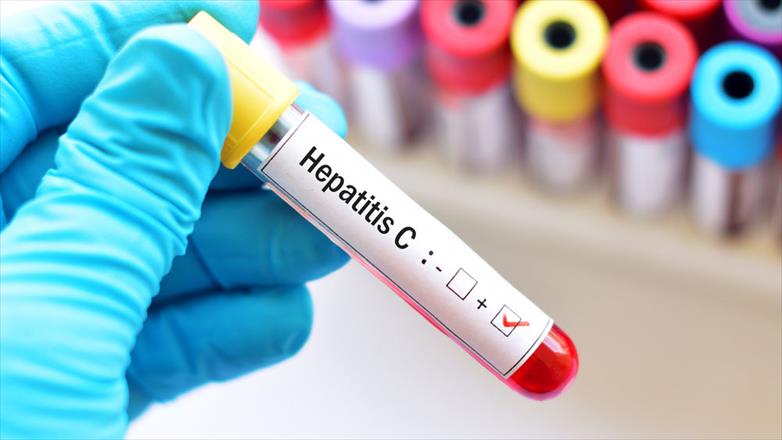
What Exactly Is Hepatitis C?
Think of your liver as the body’s filter. It processes everything you eat, drink, and absorb, keeping your blood clean and your body running smoothly. Hepatitis C (HCV) is a viral infection that attacks this vital organ. It causes inflammation that, over time, can lead to serious damage like cirrhosis, liver failure, or even liver cancer if left unchecked.
The tricky part is how it operates. Many people live with Hepatitis C for decades without any clear symptoms. You might feel a little tired or foggy, but you’d likely chalk that up to stress or a busy life. That’s why this virus has been called a "silent epidemic." It quietly works in the background, and by the time symptoms do appear, the liver may already have significant damage.
The virus is primarily spread through blood-to-blood contact. This could happen through sharing needles or other drug equipment, accidental needle sticks, or, less commonly, through sexual contact or from mother to baby during birth. Before widespread screening in the 1990s, it was also transmitted through blood transfusions. The important thing to understand is that Hepatitis C isn’t spread through casual contact like hugging, kissing, or sharing food. There’s no reason to feel ashamed or isolated if you test positive.
The Power of Free Hep-C Testing
So, how do you move from the unknown to clarity? It starts with a simple test. And here’s the encouraging part: you don’t need a special referral or a big budget to get it done. Community clinics are making it easier than ever to walk in and take control of your health.
Getting tested is quick and confidential. Typically, you’ll get a rapid test—often a simple finger prick—that can provide results in just 30 minutes. That’s it. You sit down, have a small sample taken, and within the time it takes to watch a TV show, you have a clear answer.
This speed is a game-changer. It removes the weeks of anxious waiting that used to be standard. It allows you to get immediate clarity and, if needed, start the conversation about next steps right away. Access to free testing removes the biggest barrier for most people: the fear of cost. Your health shouldn’t be held hostage by your bank account, and it’s a relief to know that reliable testing is available regardless of your insurance status.
A New Era of Hep C Treatment
If your test comes back positive, take a deep breath. This is not the diagnosis it was twenty years ago. The advancements in Hep C treatment are nothing short of revolutionary. We’ve moved away from the old, lengthy regimens that involved weekly injections, harsh side effects, and inconsistent results.
Today, treatment usually involves taking a once-daily oral medication. These are called direct-acting antivirals, and they work by targeting specific steps in the virus’s lifecycle to stop it from multiplying. They are incredibly effective, with cure rates often reaching 98% or higher. For example, medications can clear the virus in as little as 8 to 12 weeks. The side effects are typically mild—often just a headache or a bit of fatigue.
This means you can keep living your normal life. You can go to work, spend time with your family, and enjoy your hobbies while your body heals. The goal isn’t just to manage the virus; it’s to eliminate it entirely.
A Personalized Approach to Treatment
Every person is different, and a good clinic will treat you as an individual, not just a case. When you test positive, the medical team will work with you to develop a personalized treatment plan. They’ll consider your overall health, any other medications you might be taking, and the specific genotype of the Hepatitis C virus you have.
At Wellview Care, the approach is holistic. It’s not just about handing you a prescription. It’s about education and support. The team will explain how the medication works, what to expect, and answer any questions you have. They will also guide you through any logistical challenges, like how to apply for financial aid to cover the cost of treatment.
Why You Shouldn't Wait
The most common reason people delay testing is fear. We get it. But we also know that waiting only makes things harder. The earlier Hepatitis C is detected, the less damage it has done to the liver. The earlier you start treatment, the sooner you can put it behind you for good.
If you were exposed to the virus years ago, your body might be a ticking time bomb of potential liver issues. By getting tested now, you are actively preventing those long-term complications. You’re choosing to protect your future self.
Frequently Asked Questions (FAQ)
Who should get tested for Hepatitis C?
The CDC recommends that all adults aged 18 and older get tested at least once in their lifetime. You should also get tested if you have risk factors like a history of injection drug use, received a blood transfusion before 1992, or were born between 1945 and 1965.
Is the test really free?
Yes, many community clinics and nonprofits offer free or low-cost testing options. Even if you have insurance, it's a good idea to check with your provider to confirm coverage.
Is Hepatitis C curable?
Absolutely. With modern medications, Hepatitis C is now considered curable for the vast majority of people. Treatment is much simpler and shorter than it used to be.
How is Hep C treated today?
Treatment typically involves taking a once-daily pill for about 8 to 12 weeks. These medications are highly effective, have minimal side effects, and can clear the virus from your body completely.
Can I still have a normal life while on treatment?
Yes. Most people continue their regular routines without interruption. The medications are well-tolerated, and you can work, socialize, and maintain your normal lifestyle.
What if I can't afford the medication?
There are many programs available to help cover the cost. Community clinics and nonprofit organizations can assist you in applying for financial aid, patient assistance programs, or sliding scale fees to ensure you get the treatment you need.
Take the First Step
We know this might feel overwhelming. It’s hard to take that first step and walk through a clinic door. But we want you to know that when you do, you’ll be met with understanding, not judgment. You’ll be met with a team that sees you as a whole person, not just a test result. The path to peace of mind and a healthier future starts with a single appointment. Take that step for yourself—you deserve it.
Κατηγορίες
Διαβάζω περισσότερα
A new growth forecast report titled Education Technology SaaS Tools Market Size, Share, Trends, Industry Analysis Report: By Software, End User (Business, and Individual), Sector, and Region (North America, Europe, Asia Pacific, Latin America, and Middle East & Africa) – Market Forecast, 2025 - 2034 introduced by Polaris Market Research represents conclusive data on the...

For online casino enthusiasts, playing for real money adds an extra layer of excitement and rewards. Gurutoto Casino has become a favorite platform for gamers seeking high-quality, engaging, and potentially profitable games. With a wide variety of options, players can find something to suit every preference, from classic table games to modern slots and live dealer experiences....

Verifying the safety of a wagering platform isn’t abstract—it’s a sequence of operational checks, risk-screening tasks, and ongoing monitoring. When you treat a gambling site verification service as a structured process rather than a one-off review, you create a system that users can trust and teams can execute consistently. Below is a strategist’s framework you can...

Global Demand Outlook for Executive Summary BOT Services Market Size and Share CAGR Value The global BOT Services market size was valued at USD 2.60 billion in 2024 and is expected to reach USD 19.80 billion by 2032, at a CAGR of 28.8% during the forecast period BOT Services Market report supports businesses to thrive in the market by providing them with an array of insights about the...
The world of online gaming has expanded significantly in recent years, offering players more entertainment options than ever before. From sports betting and live casino games to virtual sports and interactive gaming experiences, users now seek platforms that combine convenience, variety, and accessibility. One name that continues to gain attention in this space is laser247. Whether you are a...