


Winter Driving School for Better Vehicle Control on Slippery Roads

Winter has a funny way of making familiar roads feel completely different. One day you're driving home without a second thought, and the next there's black ice hiding around a curve. That's exactly why many drivers start looking into a winter driving school after one scary moment behind the wheel. Sometimes it only takes one unexpected skid to realize that experience in dry weather doesn't always carry over once snow starts falling.
A lot of us think slowing down is enough. It definitely helps. Still... winter roads can surprise even people who've been driving for years.
Why Winter Roads Feel So Difficult
Snow changes everything.
Braking takes longer. Turning feels different. Even something simple like changing lanes can become stressful if the road is icy.
Fresh snow usually offers a little grip. Packed snow? That's trickier. Ice is another story altogether, especially black ice because you often don't see it until your tires have already found it.
Many drivers panic during those first few seconds of a skid. It's understandable. Your brain says hit the brakes. Your car says something completely different.
That's one reason winter driving lessons have become popular with both new and experienced drivers.
Learning Skills You Rarely Practice
Most driving tests happen during normal weather.
Nobody hands you the keys and says, "Let's practice sliding across an icy parking lot."
Maybe they should.
A good winter driving course gives drivers a chance to experience slippery conditions in a controlled setting. That changes everything because mistakes become lessons instead of expensive repairs.
You'll usually practice things like:
-
Recovering from a skid
-
Smooth braking on icy roads
-
Safe steering techniques
-
Controlling speed before corners
-
Emergency stopping methods
-
Driving through snow-covered roads
Reading about these techniques is helpful.
Actually doing them feels completely different.
Confidence Comes From Practice
Confidence can be a strange thing.
Some people have lots of it without much skill. Others are excellent drivers but still feel nervous every winter.
Training helps close that gap.
During winter driving training, instructors create situations that many drivers hope they'll never face on public roads. Losing traction. Sliding during braking. Recovering from oversteer.
The first attempt usually feels awkward.
By the third or fourth try, something starts clicking.
Your hands stay calmer.
Your reactions become smoother.
That's a pretty satisfying feeling.
Understanding How Your Vehicle Responds
Every vehicle behaves a little differently.
A compact sedan won't react exactly like an SUV.
A pickup truck without weight in the bed can behave very differently from one carrying equipment.
Even tire condition changes how your vehicle grips the road.
A quality winter driving school helps drivers understand how their own vehicle responds instead of relying on guesswork.
I've heard people say, "I have all-wheel drive, so I'm fine."
Well... all-wheel drive helps you move.
It doesn't magically help you stop on ice.
That's a lesson many people discover the hard way.
Winter Tires Matter More Than Many People Think
People often spend thousands on vehicles yet hesitate over winter tires.
Kind of strange, really.
Winter tires stay more flexible in cold temperatures, allowing them to grip snow and ice much better than standard all-season tires.
Many safe winter driving classes also explain how tire pressure changes during colder weather and why regular tire inspections matter throughout the season.
Little details can make a surprising difference.
Common Winter Driving Mistakes
Some habits become risky once temperatures drop.
Driving too fast for road conditions tops the list.
Following too closely is another.
Sudden steering movements often cause unnecessary skids.
Heavy braking isn't much better.
Many defensive winter driving courses teach drivers to slow down early, leave extra following distance, and make every steering movement gradual.
It sounds simple.
Doing it consistently takes practice.
Why Experienced Drivers Still Take Winter Driving Courses
People sometimes assume these programs are only for teenagers.
Not really.
Many experienced drivers sign up after moving to colder regions where snowfall is much heavier than they're used to.
Others haven't driven in snow for years.
Some simply want a refresher before winter arrives.
No embarrassment there.
Professional truck drivers, emergency responders, and company fleet operators often receive seasonal winter driving instruction as part of their job.
That says quite a bit.
What Happens During a Winter Driving Class?
Every school is a little different.
Most programs combine classroom learning with practical driving sessions.
The classroom portion usually covers topics such as weather conditions, road hazards, braking systems, visibility, vehicle preparation, and winter safety equipment.
The practical section is where drivers really learn.
You may practice:
-
Emergency braking
-
Controlled skid recovery
-
Cornering on slippery surfaces
-
Hill starts in snowy conditions
-
Safe lane changes
-
Hazard awareness
Many students finish the day realizing winter driving isn't about reacting quickly.
It's about reacting smoothly.
There's a difference.
Preparing Your Vehicle Before Winter Starts
Training isn't only about what happens behind the steering wheel.
Vehicle preparation matters too.
Before winter arrives, it's smart to check:
-
Tire tread depth
-
Battery condition
-
Windshield wipers
-
Washer fluid rated for freezing temperatures
-
Headlights
-
Brakes
-
Antifreeze levels
Keeping a small emergency kit in the car isn't a bad idea either.
Blankets.
Flashlight.
Phone charger.
Water.
A few snacks.
Hopefully you'll never need them. Still, it's nice knowing they're there.
Who Should Consider Winter Driving School?
Honestly, almost anyone who expects to drive in snow.
New drivers often gain confidence much faster.
Parents like knowing their teenagers have practiced emergency situations before facing them alone.
Older drivers sometimes appreciate brushing up on winter techniques after many years away from snowy climates.
Even people who already feel comfortable behind the wheel usually walk away having learned something new.
Weather changes every season.
Road conditions change every day.
Learning never really stops.
If winter roads make you grip the steering wheel a little tighter than usual, taking a winter driving school course might be one of those decisions you'll quietly appreciate every time snow starts falling. You'll probably still respect icy roads—and that's actually a good thing—but you'll also know how to respond if your vehicle suddenly loses traction. That kind of calm isn't luck. It comes from practice, and practice has a way of sticking with you long after the snow melts.
الأقسام
إقرأ المزيد
As per Market Research Futute, the Renewable Energy Market Share is witnessing an unprecedented rise, driven by the global shift towards clean energy, supportive government policies, and growing environmental awareness. The global energy landscape is undergoing a profound transformation as renewable sources like solar, wind, hydro, and bioenergy take center stage. With nations striving to...

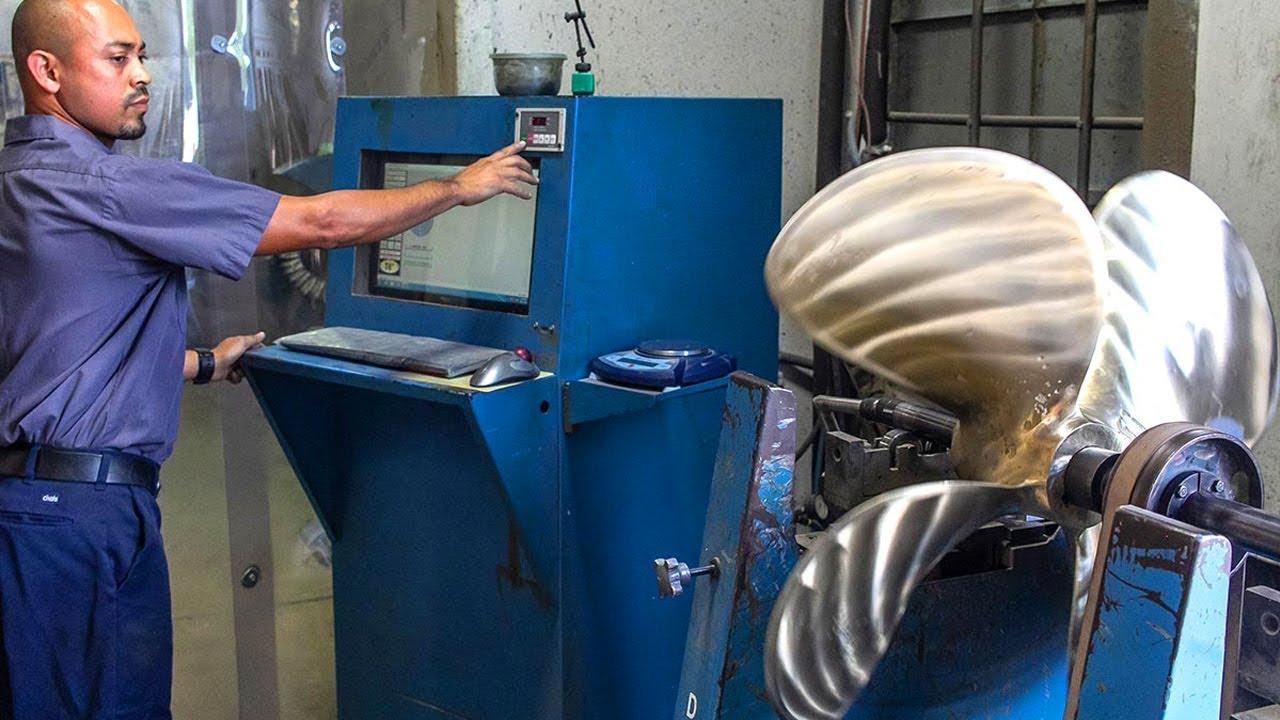
Ensure Peak Performance with a Reliable Boat Propeller Shop MA When it comes to boating, few things are as crucial as your boat’s propeller. A damaged or poorly maintained propeller can cause vibrations, reduce speed, and even increase fuel consumption. That’s why finding a trusted boat propeller shop MA is essential for every boat owner in Massachusetts. At New England Propeller...
Aston Villa annihilated Nottingham Forest’s trust to charge into the Europa League Final 2026 last and edge closer to finishing a 30-year major trophy drought. John McGinn’s late twofold included Emi Buendia’s penalty and Ollie Watkins’ opener to complete Villa’s comeback against Nottingham Timberland after last week’s 1-0 first-leg defeat. Football fans are...

The United States Superhydrophobic Coating accounts for a substantial share of the North American market, supported by increasing demand from aerospace, defense, automotive, electronics, and infrastructure sectors. The country's focus on advanced materials development and high-performance coating technologies is accelerating product adoption across a wide range of applications. Ongoing...
Field service organisations depend on technicians who work across multiple locations, complete service requests, perform inspections, and manage maintenance tasks every day. Keeping mobile teams connected while ensuring work is completed efficiently can be challenging without the right technology. Mobility software for Technicians helps businesses improve communication, streamline...
