


Sharp Sophistication: The Ultimate Guide to the Princess Cut Diamond Ring

When it comes to picking a gemstone shape that commands attention while maintaining a structured, elegant silhouette, geometric precision reigns supreme. While round brilliant cut stones have long held the title for traditional popularity, many modern buyers crave something a bit sharper, sleeker, and more architectural. The evolution of gemstone cutting techniques throughout the 20th century paved the way for shapes that display incredible fire while breaking away from traditional curves.
For those seeking an engagement token or a statement piece that balances classic sparkle with a bold, contemporary shape, the princess cut diamond ring stands out as a premier choice. Characterized by its sharp corners, square profile, and cross-shaped internal faceting, this specific cut delivers a regal presence that looks exceptionally clean on the finger. It offers a distinct blend of modern engineering and timeless romance.
The Anatomy of the Princess Cut
Created in the late 1960s and refined in the 1970s, the princess cut was engineered specifically to maximize light return from a square shape. Technically classified as a "square modified brilliant," it features a series of intricate, vertical facets on the pavilion (the lower portion of the stone) that look like a pyramid structure when viewed from below.
This unique faceting pattern allows the stone to hide internal inclusions remarkably well while generating massive amounts of scintillation. When light enters the flat, square table of the stone, it disperses into dynamic flashes of brilliance, rivaling the light performance of a traditional round stone while offering a much more distinct, architectural border.
Maximizing Carat Weight and Value
One of the most appealing aspects of this square style is its efficient use of the rough diamond crystal. When raw gems are pulled from the earth or grown in a lab, they often form octahedral shapes. Cutting a round stone requires removing a massive portion of the rough material, which wastes up to 60% of the crystal.
Because the princess shape mirrors the natural lines of the rough crystal, master cutters can retain up to 80% of the raw stone. This production efficiency translates directly into cost savings for the consumer. Carat for carat, a square brilliant stone is typically more affordable than a round stone of identical quality, allowing buyers to purchase a larger, more impactful center stone for their budget.
Setting Styles for Security and Style
Because this shape features four sharp, delicate corners, proper ring setting design is vital to protecting the gemstone from everyday wear. The corners are the thinnest parts of the stone, making them vulnerable to chipping if struck hard against a surface.
-
V-Prong Settings: The most popular choice for square stones, V-shaped prongs wrap securely around each corner, shielding the delicate edges while highlighting the clean geometric shape of the gem.
-
Bezel Settings: A metal rim completely surrounds the perimeter of the stone. This provides maximum protection for active individuals while leaning into a sleek, ultra-modern industrial aesthetic.
-
Halo Frameworks: Surrounding the square center stone with a border of tiny round diamonds softens the look slightly, creating a beautiful contrast between round sparkle and square structure.
For more details visit our website: pompeii3.com/
Choosing a princess cut diamond ring shows an appreciation for bold lines, efficient craftsmanship, and high-impact brilliance. Its regal name matches its sophisticated visual character, ensuring it stands out proudly in any crowd. By combining the legendary fire of a brilliant cut with the clean borders of modern architecture, this stone remains a magnificent symbol of lifelong devotion.
Categorii
Citeste mai mult
Did you know that the majority of small business owners wear over 80 hours every year simply being on the tax stuff? It would be two entire weeks of excel cell spam over actual growth. Should you join the company of some pro Finance and Accounting Services, you may give the sack to the manual data entry and actually work on the making of your biz cooler. Why manual bookkeeping is a trap for...

The Asia-Pacific region is currently witnessing a monumental shift in how energy is produced, distributed, and consumed. As nations grapple with the dual challenges of rapid urbanization and deep-rooted rural energy poverty, decentralized solutions have moved from the periphery to the center of national agendas. The apac off-grid solar market has emerged as a critical pillar in this...

The British Academy Film Awards are shaping up as an exciting event this year, with several films vying for top honors. Notably, "The Lord of the Rings: The Fellowship of the Ring" and "Moulin Rouge" have each secured 12 nominations, leading the pack and signaling their strong presence across categories. This year’s nominations highlight a diverse and competitive field, with "Amelie" and...

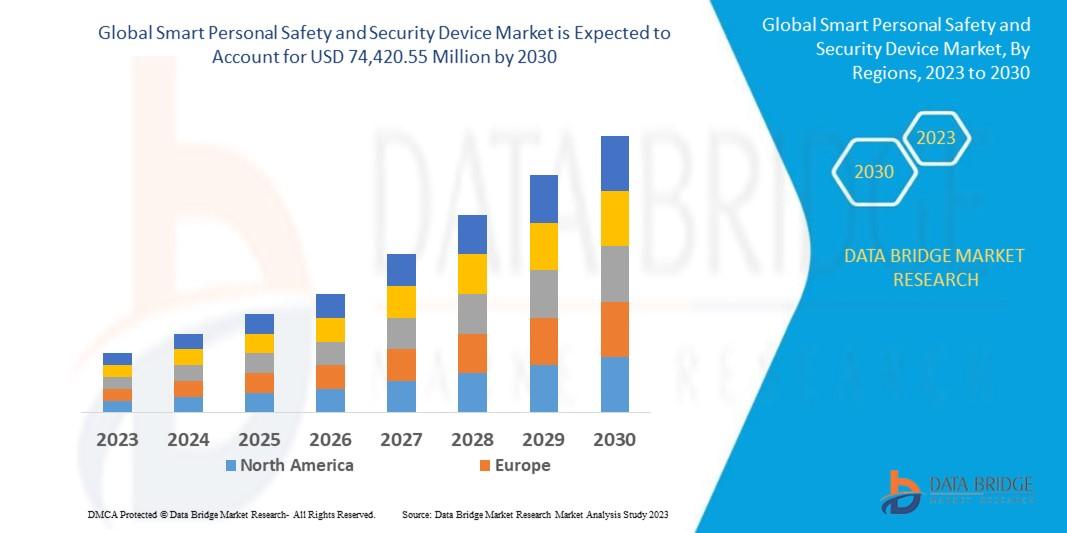
"What’s Fueling Executive Summary Smart Personal Safety and Security Device Market Size and Share Growth CAGR Value Data Bridge Market Research analyses that the smart personal safety and security device market is expected to reach USD 74,420.55 million by 2030, which is USD 40,807.76 million in 2022, registering a CAGR of 7.80% during the forecast period of 2023 to 2030. An...
Security system installation service Baltimore, MD provides professional protection solutions for homes, apartments, and commercial properties. These services include alarm systems, CCTV cameras, motion sensors, and smart home security setups. In Baltimore, homeowners and businesses rely on expert installers to improve safety, prevent break-ins, and monitor properties remotely. With...