Digital Printing on Fabric: Process, Benefits, and Applications

Digital printing on fabric has reshaped the textile industry by offering a fast, precise, and flexible way to create printed textiles. Instead of relying on traditional methods that require screens or engraved rollers, digital printing transfers artwork directly from a computer to fabric using advanced inkjet technology. This process allows businesses to produce detailed patterns, vivid colors, and customized products with minimal setup time and excellent consistency.
The increasing popularity of digital printing on fabric reflects the growing demand for personalized products, shorter production cycles, and sustainable manufacturing practices. Fashion brands, interior designers, sportswear manufacturers, and promotional product companies all use this technology to produce high-quality textiles that meet modern customer expectations. Whether creating a single custom design or a complete product collection, digital textile printing delivers efficiency without compromising quality.
What Is Digital Printing on Fabric?
Digital printing on fabric is a textile decoration process in which digital artwork is printed directly onto fabric using specialized textile printers. Unlike screen printing, which requires separate screens for each color, digital printing reproduces the entire design in one continuous process.
This method allows manufacturers to print photographs, detailed illustrations, gradients, and intricate patterns with remarkable precision. Since artwork is stored digitally, modifications can be made quickly, making digital printing ideal for custom production, product sampling, and limited-edition collections.
Different types of textile inks are available for different materials. The most commonly used include pigment inks, reactive inks, acid inks, and dye sublimation inks.
How Digital Printing on Fabric Works
Design Preparation
The process begins by creating or editing artwork using professional graphic design software. High-resolution files ensure sharp images and accurate color reproduction.
Fabric Preparation
Certain fabrics require pre-treatment before printing. This improves ink absorption, enhances color brightness, and increases resistance to washing.
Printing Process
The prepared fabric moves through a digital textile printer that deposits microscopic droplets of ink directly onto the material according to the digital design.
Ink Fixation
Once printing is complete, the fabric undergoes heat curing or steam fixation depending on the selected ink technology. This permanently bonds the ink to the textile fibers.
Finishing
The printed fabric is washed, dried, inspected, and prepared for garment production or other textile applications.
Types of Digital Fabric Printing
Pigment Printing
Pigment printing is suitable for many natural and blended fabrics. It provides excellent versatility and generally requires less water than several conventional textile printing methods.
Reactive Printing
Reactive inks chemically bond with natural fibers such as cotton, rayon, and linen. This creates vibrant colors, soft textures, and excellent wash durability.
Dye Sublimation Printing
Dye sublimation is primarily used for polyester fabrics. Heat transforms the dye into gas, allowing it to penetrate the fibers and create durable prints with outstanding color brilliance.
Acid Printing
Acid inks are commonly used for silk, wool, and nylon. They produce rich colors and are frequently selected for premium fashion products and luxury textiles.
Benefits of Digital Printing on Fabric
Superior Print Quality
Digital printing produces crisp details, smooth gradients, vibrant colors, and photographic-quality images. It is ideal for complex artwork and intricate designs.
Unlimited Creative Possibilities
Designers can experiment with unlimited color combinations and detailed graphics without increasing setup costs or production complexity.
Faster Production
Since there is no need to prepare printing screens, production can begin almost immediately after artwork approval, reducing lead times significantly.
Cost Effective for Small Orders
Digital printing eliminates many setup expenses, making it economical for prototypes, personalized products, and limited production runs.
Lower Material Waste
Ink is applied only where necessary, reducing waste and improving production efficiency. Print-on-demand manufacturing also minimizes excess inventory.
Applications of Digital Printing on Fabric
Fashion and Apparel
Fashion companies use digital printing for dresses, shirts, jackets, scarves, leggings, children's clothing, and seasonal collections featuring original artwork.
Home Décor
Curtains, upholstery, bedding, cushion covers, tablecloths, and decorative wall textiles often incorporate digitally printed patterns.
Sportswear
Sports uniforms and performance apparel benefit from lightweight, durable prints that maintain their appearance after repeated washing.
Advertising and Promotions
Trade show graphics, promotional banners, branded flags, exhibition displays, and event decorations are frequently produced using digital textile printing.
Personalized Products
Consumers increasingly purchase customized tote bags, blankets, pillowcases, fabric gifts, and home accessories featuring names, photographs, or unique artwork.
Choosing the Right Fabric
Selecting the correct fabric is essential for achieving excellent printing results.
Cotton works exceptionally well with reactive and pigment inks, making it one of the most popular choices. Polyester is preferred for dye sublimation because it produces vivid colors with long-lasting durability. Silk delivers luxurious prints with exceptional color richness, while linen provides an attractive natural texture for decorative textiles.
Testing sample prints before beginning large production runs helps verify print quality, color accuracy, and washing performance.
Practical Benefits and Key Insights
Enables Product Personalization
Digital printing allows businesses to produce customized textiles without requiring expensive setup procedures or high minimum order quantities.
Speeds Up Product Development
Digital artwork can be updated instantly, allowing businesses to introduce new collections quickly and respond to changing customer preferences.
Improves Inventory Management
Print-on-demand production reduces storage costs and minimizes the risk of excess inventory.
Encourages Creative Experimentation
Designers can test new concepts, color combinations, and seasonal collections without major financial investment.
Supports Sustainable Manufacturing
Many digital textile printing systems consume less water, generate less waste, and improve resource efficiency compared with traditional textile printing methods.
Common Challenges and Considerations
Although digital printing offers many advantages, achieving consistent quality requires attention to several important factors.
The correct combination of fabric and ink must be selected to ensure durability and color accuracy. Some fabrics require additional preparation before printing, while proper color calibration helps ensure that printed colors closely match digital artwork.
Industrial digital textile printers also require routine maintenance to maintain print quality. Although the equipment represents a significant investment, businesses that frequently produce customized textiles often achieve long-term savings through improved efficiency and reduced setup costs.
Frequently Asked Questions (FAQs)
1. Which fabrics are suitable for digital printing?
Digital printing can be used on cotton, polyester, silk, linen, rayon, nylon, wool, canvas, and many blended fabrics when paired with compatible ink systems.
2. Is digital printing on fabric durable?
Yes. Proper fabric preparation, quality inks, and appropriate curing methods produce prints that remain vibrant after repeated washing and everyday use.
3. How is digital printing different from screen printing?
Digital printing transfers artwork directly from a computer file to fabric without requiring printing screens. Screen printing requires separate screens for each color and is generally more suitable for very large production volumes.
4. Is digital printing environmentally friendly?
Many digital textile printing systems reduce water consumption, minimize waste, and support print-on-demand manufacturing, making them more environmentally responsible than many traditional textile printing methods.
5. Which industries use digital printing on fabric?
Fashion, home furnishings, sportswear, hospitality, interior design, advertising, promotional products, education, and event management all benefit from digital textile printing.
Conclusion
Digital printing on fabric has become a leading technology in modern textile manufacturing because it combines efficiency, flexibility, and outstanding print quality. It enables businesses to produce customized fabrics quickly while reducing setup time, minimizing waste, and supporting innovative design.
As demand for personalized products and sustainable production continues to increase, digital printing on fabric will remain an essential solution for manufacturers and designers. By selecting appropriate materials, choosing the correct printing method, and maintaining professional production standards, businesses can create durable, visually appealing textiles that satisfy both creative and commercial objectives.
الأقسام
إقرأ المزيد
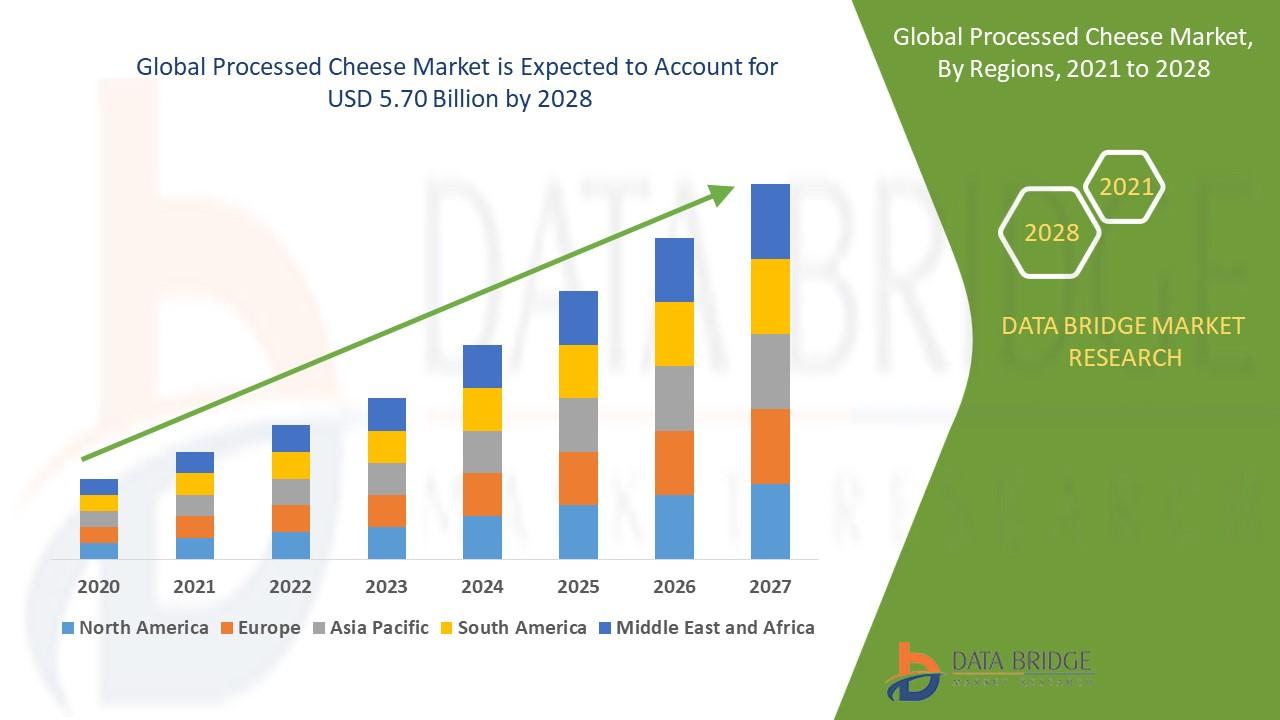
Regional Overview of Executive Summary Processed Cheese Market by Size and Share CAGR Value The global processed Cheese market size was valued at USD 5.13 Billion in 2024 and is projected to reach USD 6.32 Billion by 2032, with a CAGR of 2.62 % during the forecast period of 2025 to 2032. With the superior Processed Cheese Market report, get knowledge about the industry which...
In today’s fast-moving digital marketplace, businesses cannot rely on guesswork to attract customers. Every click, impression, and conversion matters. This is why working with a professional PPC SEO Marketing Agency in Noida has become essential for brands that want measurable growth, targeted traffic, and consistent conversions.Among the growing names in this space, PPC SEO...

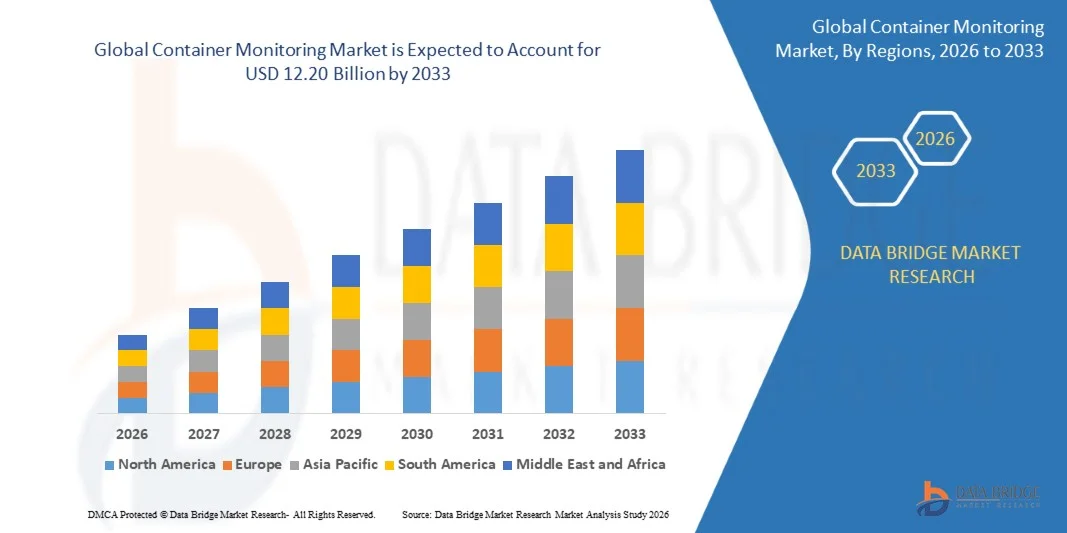
Container Monitoring Market According to the latest report published by Data Bridge Market Research, the Container Monitoring Market The global container monitoring market size was valued at USD 1.25 billion in 2025 and is expected to reach USD 12.20 billion by 2033, at a CAGR of 33.00% during the forecast period The Container Monitoring...
Watch Fury vs Usyk 2 Live Are you eager to watch the highly anticipated Usyk vs Fury 2 clash from anywhere in the world? Using a dependable VPN can help you bypass regional restrictions and stream the fight live, no matter where you are. Whether you're traveling abroad or residing in a country without official coverage, setting up a VPN allows seamless access to your preferred streaming...

Online sports betting in India has grown rapidly over the last few years. Cricket betting, live IPL wagering, casino gaming, and mobile betting platforms have become highly popular among Indian users. Today, bettors expect fast access, secure payments, smooth mobile experiences, and real-time betting opportunities directly from their smartphones. The Indian betting market has also become highly...