


Elder Care vs Nursing Home Care: Understanding the Difference
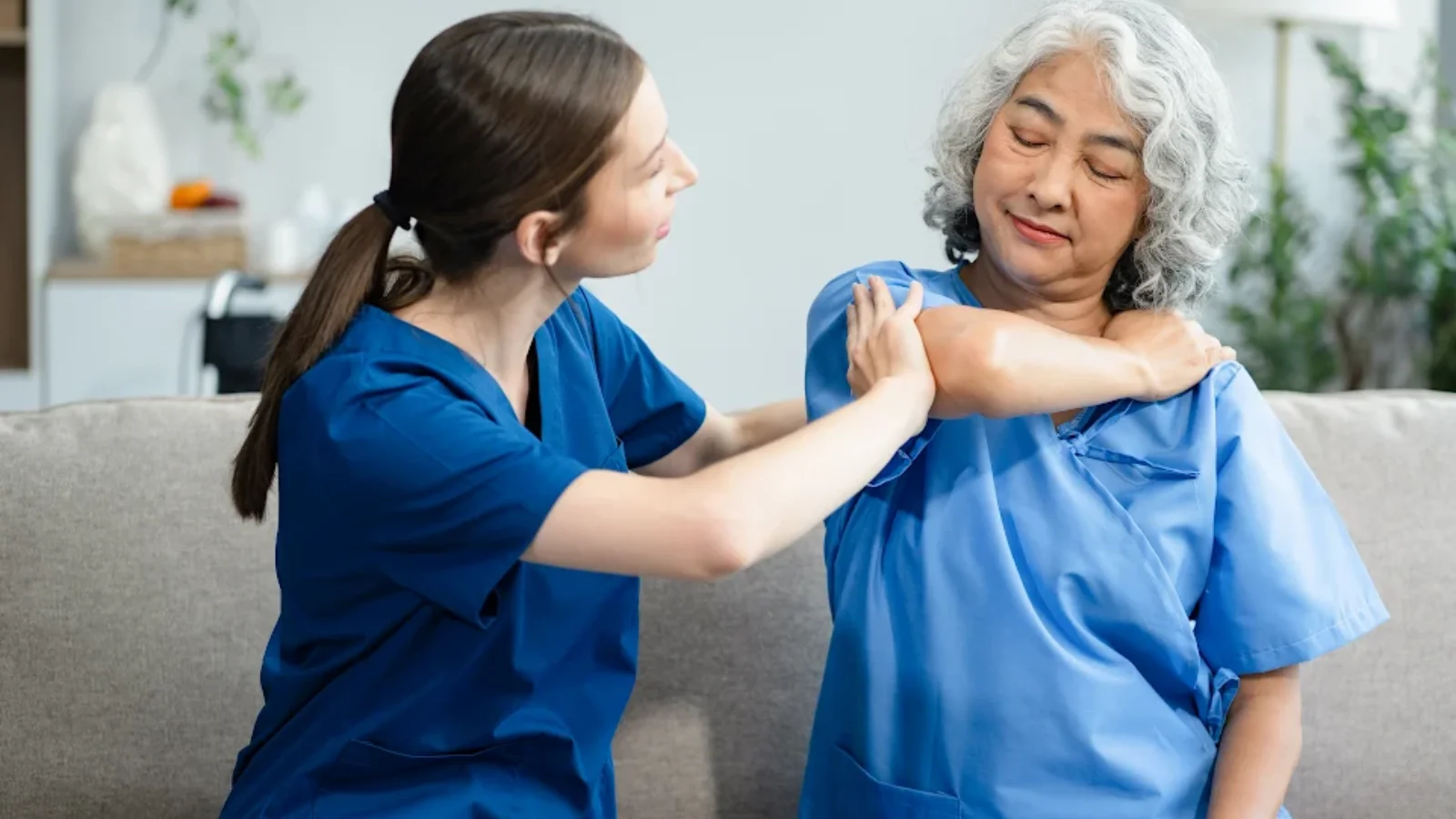
As parents and grandparents grow older, they may need extra support with daily activities, medical care, or long-term health conditions. Families often wonder whether they should choose home-based elder care or move their loved ones to a nursing home. Today, many families prefer a home nurse in Mangalore because it allows seniors to receive professional care while remaining in the comfort of their own home. Understanding the differences between elder care and nursing home care can help families make the right decision based on their loved one's needs.
What Is Elder Care?
Elder care is a service that provides medical and personal support to senior citizens in their own homes. The goal is to help older adults maintain their independence while receiving the care they need.
Professional caregivers and nurses assist seniors with everyday tasks, health monitoring, medication management, mobility support, and emotional companionship.
Home-based elder care allows seniors to stay close to their family while enjoying a familiar and comfortable environment.
What Is Nursing Home Care?
A nursing home is a residential healthcare facility where elderly people live full-time while receiving medical supervision and personal care.
Nursing homes are generally suitable for seniors who require continuous medical attention or do not have family members available to provide support at home.
Residents share common facilities and receive care from healthcare professionals according to the home's schedule and routines.
Living Environment
One of the biggest differences between elder care and nursing home care is the place where care is provided.
With home-based elder care, seniors remain in their own homes where they are surrounded by familiar people, memories, and belongings. This often helps them feel happier and more relaxed.
In a nursing home, seniors move into a shared residential facility. Although professional care is available, adjusting to a new environment may take time and can be emotionally challenging for some older adults.
Personalized Attention
Home-based elder care provides one-to-one support based on the senior's individual needs.
Caregivers can create customized care plans that include:
- Daily personal care
- Medication reminders
- Health monitoring
- Meal assistance
- Mobility support
- Companionship
In nursing homes, caregivers usually attend to multiple residents, which may limit the amount of individual attention each person receives.
Family Involvement
When seniors receive care at home, family members can remain closely involved in their daily lives.
Families can:
- Spend more quality time together
- Monitor care directly
- Participate in healthcare decisions
- Offer emotional support
In nursing homes, visiting hours and facility routines may reduce daily interaction with family members.
Comfort and Emotional Well-Being
Many seniors feel emotionally secure when they remain in familiar surroundings.
Being at home allows them to:
- Follow their daily routine
- Sleep comfortably
- Stay connected with neighbors
- Enjoy personal belongings
- Feel independent
This familiar environment often contributes to better emotional health and overall happiness.
Medical Support
Both elder care and nursing homes provide healthcare services, but the type of care may vary depending on the patient's condition.
Professional home nurses can provide:
- Medication administration
- Wound care
- Vital sign monitoring
- Injection support
- Chronic disease management
Nursing homes provide similar medical care while also offering round-the-clock supervision for residents with more complex healthcare needs.
Flexibility of Care
Home-based elder care offers flexible care schedules.
Families can choose:
- Hourly care
- Day care
- Night care
- 12-hour care
- 24-hour care
- Long-term care
This flexibility allows families to select services that best match the senior's requirements.
Nursing home care generally follows fixed schedules and facility routines.
Safety and Independence
Professional caregivers help seniors remain independent while ensuring their safety.
They assist with:
- Walking safely
- Preventing falls
- Personal hygiene
- Daily activities
- Health monitoring
This balance between assistance and independence helps seniors maintain confidence and dignity.
Cost Considerations
The cost of care depends on the level of support required.
Home-based elder care can be more affordable for seniors who only need part-time or scheduled assistance.
Nursing homes may involve higher long-term costs because they include accommodation, meals, and full-time residential services.
Families should carefully compare available options before making a decision.
Choosing the Right Option
The best choice depends on several factors, including:
- Medical condition
- Level of independence
- Family support
- Budget
- Personal preferences
- Long-term healthcare needs
Some seniors benefit greatly from remaining at home, while others with complex medical conditions may require full-time residential care.
Why Many Families Prefer Home-Based Elder Care
More families are choosing home-based care because it provides:
- Personalized attention
- Familiar surroundings
- Family involvement
- Greater comfort
- Flexible care plans
- Improved emotional well-being
- Professional medical support
These advantages allow seniors to enjoy a higher quality of life while receiving expert healthcare.
Conclusion
Both elder care and nursing home care provide valuable support for older adults, but the right choice depends on each individual's health, lifestyle, and personal preferences. For many families, receiving care at home offers the perfect balance of professional medical assistance, emotional comfort, and independence.
Choosing trusted Elder Care Services in Mangalore allows seniors to receive compassionate, personalized care in a familiar environment while enjoying the support of skilled caregivers, close family involvement, and a better quality of life.
Categories
Read More
For 50 years, we've created experiences that have enabled young people to grow in their relationship with Jesus Christ through His message of grace, hope, and love. Everything we do focuses on teaching these messages to kids through faith and fun. Website : https://springhillexperiences.com Address : 7717 95th Ave, Evart, MI 49631 Phone : 231-734-2616

Professional home nursing care has become an essential support system for individuals who need medical assistance while remaining in the comfort of their own homes. It provides a compassionate and personalized approach to healthcare that bridges the gap between hospital treatment and independent living. Whether someone is recovering from illness, managing a long-term condition, or in need of...
Ball drop games have fascinated players for decades, offering a perfect blend of luck, skill, and excitement. This iconic style of game has become a staple in both physical and digital entertainment. Its simple yet captivating design allows players to experience suspense with every drop, making it an ideal pastime for casual fun and competitive play alike. How Ball Drop Games Work At the heart...

When visiting the beautiful mountain destination of Vail, transportation plays an important role in making your trip smooth and stress-free. Snowflake Limo proudly provides professional car service Vail Colorado travelers trust it for comfort, reliability, and luxury travel. Whether you are heading to a ski resort, hotel, airport, or special event, our experienced chauffeurs ensure...

Betting sites in Saudi Arabia are frequently searched by users who want to learn about online platforms, international regulations, and the legal environment surrounding digital entertainment services. As internet access continues to expand, many people seek reliable information about these websites without necessarily participating in betting activities. Understanding the legal framework,...
