Insulated Pad Guide: Staying Warm on the Trail
Staying warm while camping is not just about your sleeping bag. What is underneath you matters just as much, if not more. An insulated pad is designed to keep the cold ground from stealing your body heat through the night. This guide explains how they work and how to choose the right one for your trips.
Why an Insulated Pad Matters in Cold Weather
Cold ground can pull heat away from your body far faster than cold air does, which is why an insulated pad is so important for comfortable sleep in chilly conditions. Even a warm, high-quality sleeping bag will not keep you comfortable if the ground beneath you is draining your body heat all night. An insulated pad acts as a barrier, trapping warmth and keeping you comfortable even when temperatures drop.
How Insulation Technology Works in Sleeping Pads
Modern insulated pads use materials like reflective linings, synthetic fill, or down insulation built into air chambers to trap heat effectively. Some pads use multiple layers of reflective material to bounce body heat back toward you instead of letting it escape into the ground. Others rely on synthetic insulation similar to what you would find in a warm jacket, packed inside the pad's air chambers for added warmth.
Insulated Pad vs. Standard Pad Comparison
A standard pad without added insulation may still offer cushioning, but it will not perform well in colder conditions. An insulated pad costs a bit more but provides significantly better warmth, especially for trips in fall, winter, or high-altitude areas. If you only camp in warm weather, a standard pad might be enough, but for anyone camping across multiple seasons, the insulated option is usually worth the investment.
Choosing the Right Insulated Pad for Winter Trips
For winter camping, look for an insulated pad with a high R-value, ideally five or above, to handle freezing temperatures and snow-covered ground. Pay attention to the pad's thickness as well, since more material generally means better insulation and comfort. Reading reviews from other winter campers can also help you understand how a pad performs in real, extreme conditions rather than just relying on manufacturer claims.
Signs Your Insulated Pad Needs Replacing
If you notice you are feeling colder than usual on trips where you previously stayed warm, your insulated pad might be losing its effectiveness. Flat spots, reduced loft, or visible wear in the material are all signs that the insulation inside is breaking down. Replacing an old pad before a big winter trip is much better than discovering the problem halfway through a cold night.
Layering Tips for Maximum Warmth
Pairing your insulated pad with a proper sleeping bag rated for the conditions makes a huge difference. Adding a thin foam pad underneath your insulated one can boost warmth even further on especially cold nights. Wearing a base layer to bed and using a sleeping bag liner are additional small steps that add up to a noticeably warmer night's sleep.
Caring for Insulated Pads After Use
Always let your insulated pad dry completely before packing it away, since trapped moisture can damage the insulation material over time. Store it loosely rather than tightly compressed to help the insulation maintain its loft and effectiveness. Regularly checking for leaks or weak spots before each trip ensures your pad performs well when you need it most.
Is an insulated pad necessary for summer camping? Not usually. Insulated pads are most valuable for fall, winter, or high-altitude trips where the ground gets significantly colder.
How can I tell if a pad is properly insulated? Check the product's R-value rating and description, since manufacturers typically specify whether a pad includes added insulation.
Can I add insulation to a pad that doesn't have it? Yes, placing a foam pad underneath a standard pad is a simple and effective way to boost insulation without buying new gear.
Categorie
Leggi tutto
Car accidents can happen unexpectedly and leave victims dealing with serious injuries, emotional stress, vehicle damage, and financial burdens. Medical bills, lost wages, and insurance disputes often make recovery even more difficult. During these challenging times, finding an affordable car accident lawyer near me can be one of the most important steps toward protecting your rights and...

In today’s digital-first world, visibility can make or break a business. With millions of websites competing for attention, search engine optimization (SEO) has become essential for long-term online success. But for many startups and small to mid-sized companies, the real challenge lies in finding expert SEO services that are both effective and budget-friendly. This is where...

In today’s fast-growing digital world, businesses are shifting their focus from traditional marketing to online platforms. As a result, digital marketing has become one of the most in-demand skills across industries. If you are looking to start a career, grow your business, or upgrade your professional skills, enrolling in the best digital marketing course in Dehradun can be a smart and...

Leather motorcycle jackets remain a foundational element of rider protection, combining abrasion resistance, structural durability, and ergonomic design. However, leather jackets are not monolithic products. Their construction, materials, and protective architecture vary significantly depending on riding discipline. Classic (touring), sport, and adventure leather motorcycle jackets are...

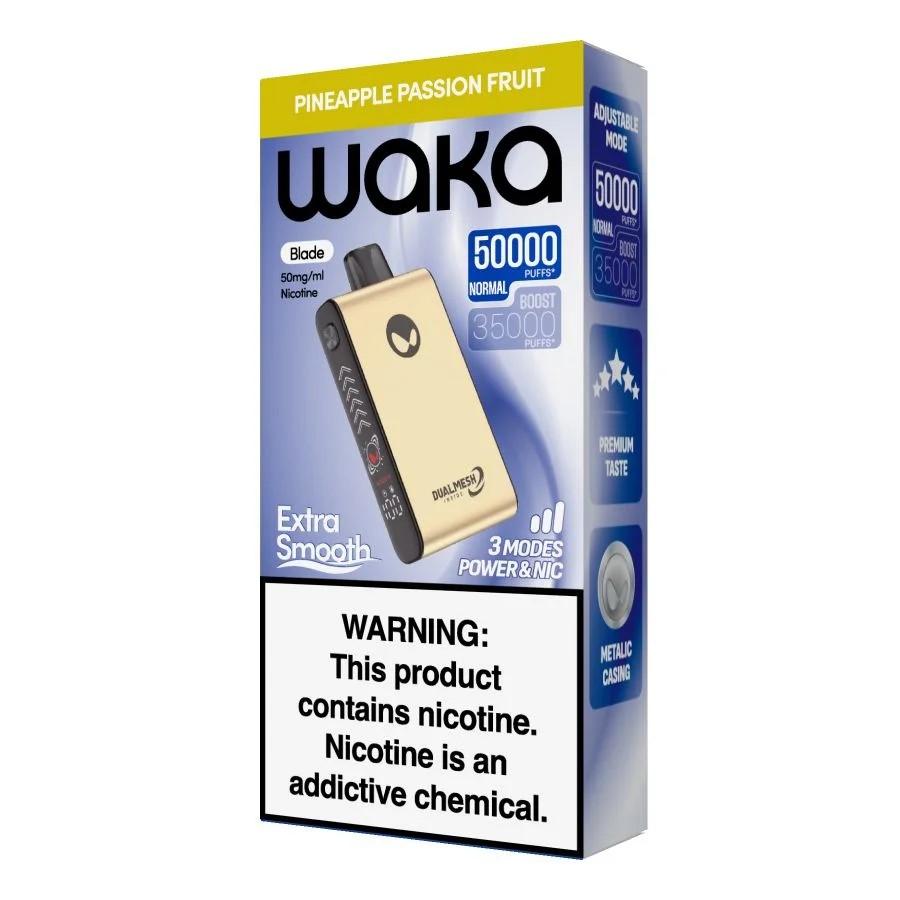
If you are searching for a disposable vape that combines long-lasting performance and rich flavors, the Waka Blade 50000 Puffs is an excellent choice. With an impressive 50,000 puffs per device, this vape is perfect for users who want a hassle-free, extended vaping experience without worrying about recharging or refilling. Its sleek design, powerful battery, and wide flavor selection make it...