How Facility Management Is Supporting Dubai’s Smart Infrastructure Growth

Dubai has established itself as one of the world’s leading destinations for modern infrastructure, iconic skyscrapers, luxury hospitality, commercial districts, and smart urban developments. As the city continues expanding its built environment, maintaining these assets efficiently has become just as important as constructing them. Facility management has evolved into a strategic discipline that ensures buildings remain safe, efficient, sustainable, and operational throughout their lifecycle. From commercial towers and residential communities to airports, hospitals, hotels, and retail destinations, professional facility management services are helping Dubai maintain the high standards expected of a global business and tourism hub.
According to a study published by MarkNtel Advisors, detailed insights can be found in this Dubai Facility Management market report. The market was valued at around USD 6.2 billion in 2025 and is projected to reach USD 10.69 billion by 2032, exhibiting an estimated CAGR of around 9.5% during the forecast period. The report highlights that rapid commercial development, expanding mixed-use projects, increasing adoption of smart buildings, and rising demand for integrated facility management services are contributing to the industry's steady expansion.
Smart Buildings Are Reshaping Facility Management
Facility management today extends far beyond routine maintenance. Modern buildings rely on integrated systems that control heating, ventilation, air conditioning, lighting, elevators, fire protection, security, water management, and digital infrastructure. Managing these interconnected systems requires specialized expertise to ensure operational efficiency while maintaining occupant comfort and safety.
Dubai’s growing adoption of smart buildings is accelerating demand for technology-driven facility management solutions. Internet of Things (IoT) sensors, cloud-based monitoring platforms, artificial intelligence, and predictive maintenance technologies allow facility managers to monitor equipment performance in real time. These systems can identify potential issues before failures occur, reducing downtime while extending the lifespan of critical building assets.
The shift toward intelligent building operations is helping property owners reduce maintenance costs, improve energy efficiency, and deliver better experiences for occupants across commercial and residential properties.
Sustainability Is Becoming a Core Priority
Environmental sustainability has become a major consideration across Dubai’s real estate and infrastructure sectors. Building owners increasingly seek facility management solutions that improve energy efficiency, reduce water consumption, optimize waste management, and lower overall operating costs.
Modern facility management providers implement preventive maintenance strategies, optimize HVAC performance, introduce intelligent lighting controls, and monitor utility usage to improve building efficiency. These practices contribute to lower environmental impact while supporting long-term operational savings.
The International Facility Management Association (IFMA) recognizes facility management as a strategic profession that enhances the functionality, safety, sustainability, and productivity of the built environment through effective integration of people, processes, technology, and facilities.
Digital Technologies Are Improving Operational Efficiency
Technology is transforming the way facilities are managed across Dubai. Advanced computerized maintenance management systems, remote monitoring platforms, digital work order management, and predictive analytics enable facility managers to make faster and more informed operational decisions.
Artificial intelligence assists by identifying equipment abnormalities before they develop into major failures, allowing maintenance teams to intervene proactively. Building automation systems also improve energy optimization by adjusting lighting, air conditioning, and ventilation based on occupancy patterns and environmental conditions.
Digital dashboards provide property owners with real-time visibility into asset performance, maintenance schedules, and operational costs, helping improve transparency while supporting data-driven decision-making.
The Dubai Municipality continues to promote sustainable urban development and efficient municipal infrastructure through initiatives that encourage high standards of building management, public health, and environmental performance.
Commercial and Hospitality Growth Continues to Support Demand
Dubai remains one of the world's leading destinations for tourism, international business, retail, and real estate investment. Hotels, shopping malls, office towers, healthcare facilities, educational institutions, airports, and entertainment venues require continuous maintenance to provide safe and reliable environments for millions of residents and visitors.
Integrated facility management services have become increasingly popular because they allow organizations to consolidate technical maintenance, cleaning, landscaping, security, waste management, and support services under a single management framework. This integrated approach improves operational coordination while enabling organizations to focus on their core business activities.
As mixed-use developments become more sophisticated, professional facility management providers are playing a greater role in ensuring buildings continue operating efficiently throughout their lifecycle.
Preventive Maintenance Protects Valuable Assets
Preventive maintenance has become one of the most valuable aspects of modern facility management. Rather than waiting for equipment to fail, facility managers conduct scheduled inspections, servicing, and component replacements to reduce operational disruptions and extend equipment lifespan.
Critical infrastructure such as elevators, electrical systems, plumbing networks, cooling equipment, and fire protection systems require regular maintenance to ensure safe and uninterrupted operation. Effective preventive maintenance also helps reduce unexpected repair costs while preserving property value over the long term.
The International Organization for Standardization (ISO) publishes internationally recognized standards, including ISO 41001 for facility management systems, which help organizations improve service quality, operational performance, and asset management through standardized best practices.
Future Outlook
The Dubai Facility Management Market is expected to benefit from continued investment in commercial real estate, residential developments, transportation infrastructure, healthcare facilities, hospitality projects, and smart city initiatives. As buildings become increasingly connected and technologically advanced, demand for intelligent facility management services will continue to grow.
Advances in artificial intelligence, predictive maintenance, building automation, and sustainability-focused operations will further transform the industry. By combining digital innovation with professional expertise, facility management providers will continue supporting Dubai’s vision of creating smarter, safer, more sustainable, and globally competitive urban environments while maximizing the long-term value of the city’s world-class infrastructure.
Catégories
Lire la suite
Die Anwendung der Fitralin Kapseln lässt sich denkbar einfach in den persönlichen Tagesablauf integrieren. Die empfohlene Dosis liegt bei zwei Kapseln täglich, die bevorzugt morgens oder mittags vor einer Hauptmahlzeit mit ausreichend Wasser egenommen werden. Aufgrund des enthaltenen Guarana-Koffeins empfiehlt es sich lediglich, die Kapseln nicht am späten Abend einzunehmen,...

Introduction Small house blueprints are detailed architectural drawings that show how a compact home is planned, structured, and built. These blueprints are essential for turning an idea of a small house into a practical living space. They include room layouts, dimensions, wall placements, doors, windows, and structural elements that ensure the house is both functional and comfortable....

The Content Moderation Services market is poised for significant expansion, with a projected market size soaring to USD 67.67 billion by 2035. This remarkable growth is underpinned by an impressive compound annual growth rate (CAGR) of 21.42% from 2024 to 2035. The burgeoning demand for user-generated content and the imperative for regulatory compliance are driving the industry's dynamics. As...

"Cellulose Fibers Market Summary: According to the latest report published by Data Bridge Market Research, the Cellulose Fibers Market Global cellulose fibers market size was valued at USD 53.50 billion in 2024 and is projected to reach USD 111.96 billion by 2032, with a CAGR of 9.67% during the forecast period of 2025 to 2032. A number of aspects that are kept into view while...

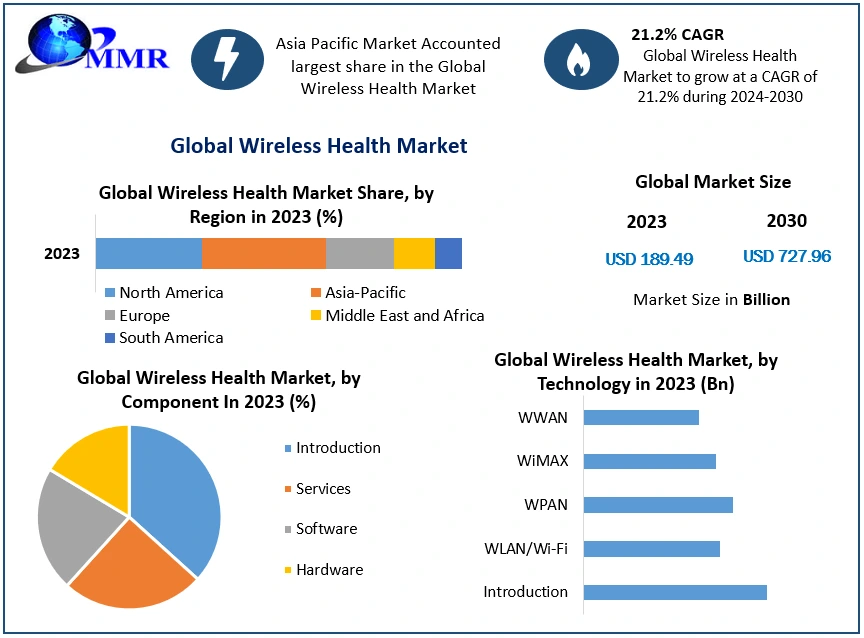
Wireless Health Market to Reach USD 727.96 Billion by 2030 from USD 189.49 Billion at 21.2% CAGR, Forecast 2030. The Global Wireless Health Market is entering a transformative growth phase as connected healthcare, AI-powered diagnostics, telehealth expansion, and smart medical technologies redefine healthcare delivery worldwide. According to Maximize Market Research (MMR),...