Visitor Management System Benefits: Why Every Modern Office Needs One in 2026

The modern workplace has evolved significantly over the last few years. Hybrid work, smart offices, increased security concerns, and rising visitor expectations have changed the way organizations manage their front desks. Businesses are no longer relying on paper visitor registers or manual sign-in sheets. Instead, they are investing in a Visitor Management System that simplifies visitor registration, strengthens workplace security, and creates a seamless arrival experience.
Whether you operate a growing startup, a multinational corporation, a manufacturing facility, or a coworking space, managing visitors efficiently has become an important part of daily operations. Every guest, client, contractor, interview candidate, vendor, or delivery partner who enters your premises represents an opportunity to create a positive first impression while maintaining a secure environment.
In this guide, we'll explore the biggest benefits of implementing a visitor management system, explain why businesses across India are embracing digital reception solutions, and discuss how organizations can maximize the value of their investment.
What Is a Visitor Management System?
A Visitor Management System (VMS) is software that digitizes the entire visitor journey, from pre-registration to check-out. Instead of asking visitors to write their information in a physical logbook, organizations can collect visitor details digitally through tablets, kiosks, mobile devices, or QR code check-in.
The software records visitor information securely, sends automatic notifications to hosts, prints visitor badges, captures entry and exit times, and stores records in a centralized database.
Many modern visitor management platforms also integrate with workplace management software, meeting room scheduling tools, access control systems, and communication platforms to provide a connected workplace experience.
Why Traditional Visitor Registers No Longer Work
Paper-based visitor registers were suitable when workplaces had fewer visitors and simpler security requirements. Today, they create several operational challenges.
Some common issues include:
- Slow visitor registration
- Long queues at reception
- Incomplete or unreadable records
- Privacy concerns
- Difficulty retrieving historical data
- Manual host notifications
- Increased administrative workload
- Limited reporting capabilities
A digital visitor management system eliminates these inefficiencies and provides a more professional experience for both visitors and employees.
Top Benefits of a Visitor Management System
1. Improves Workplace Security
Security is one of the primary reasons businesses invest in visitor management software.
Digital visitor registration helps organizations know exactly who has entered the premises, when they arrived, whom they are meeting, and when they left. Many systems also support identity verification, visitor photographs, approval workflows, and blacklisted visitor alerts.
Having accurate digital records allows security teams to respond more effectively during audits or investigations.
2. Creates a Great First Impression
The reception area is often the first point of interaction with your organization. A smooth and professional check-in process reflects positively on your brand.
Visitors appreciate being able to register quickly using a QR code or self-service kiosk instead of filling out lengthy paper forms. A fast check-in experience demonstrates that your business values efficiency and innovation.
3. Reduces Reception Workload
Receptionists spend considerable time welcoming guests, recording information, notifying employees, and issuing visitor passes.
Visitor management software automates many of these tasks by:
- Registering visitors digitally
- Sending instant host notifications
- Printing badges automatically
- Recording visit history
- Managing visitor approvals
This allows reception teams to focus on assisting visitors rather than completing repetitive administrative tasks.
4. Speeds Up Visitor Check-In
No one enjoys waiting in long reception queues.
With features such as visitor pre-registration and QR code check-in, guests can complete the registration process within seconds.
Employees can schedule visitors in advance, allowing the reception team to prepare for arrivals before visitors reach the office.
5. Maintains Accurate Digital Records
Paper registers make it difficult to search for previous visitor information.
A visitor management system stores every visit digitally, allowing administrators to search visitor history instantly using names, companies, hosts, or visit dates.
This improves record management while supporting compliance and reporting requirements.
6. Enhances Data Privacy
Traditional visitor registers often expose personal information to other visitors.
Digital systems protect sensitive information through encrypted storage, role-based permissions, and secure access controls.
Only authorized personnel can access visitor records, helping organizations maintain better data privacy practices.
7. Supports Compliance Requirements
Many industries are required to maintain visitor records for internal audits or regulatory compliance.
A visitor management system simplifies compliance by automatically storing visitor information, timestamps, approval history, and audit logs in a secure format.
Organizations can generate reports whenever documentation is required.
8. Provides Real-Time Visitor Visibility
Administrators can instantly see:
- Current visitors
- Scheduled visitors
- Visitors awaiting approval
- Contractor activity
- Daily visitor count
- Building occupancy
This real-time visibility improves operational awareness and helps organizations make informed decisions.
9. Strengthens Emergency Preparedness
In emergency situations such as fire drills or evacuations, businesses need to know who is inside the building.
Visitor management software provides real-time occupancy lists, making it easier for emergency response teams to account for employees, contractors, and guests.
This improves workplace safety and emergency planning.
10. Generates Valuable Business Insights
Modern visitor management platforms provide dashboards and reports that help organizations understand visitor patterns.
Useful insights include:
- Peak visiting hours
- Frequently visited departments
- Visitor trends
- Contractor visits
- Average visit duration
- Reception workload
These reports help businesses optimize staffing and improve operational efficiency.
11. Supports Hybrid Workplaces
Hybrid work has changed the way employees use office spaces.
Visitor management software integrates with workplace management solutions to coordinate visitor appointments, meeting rooms, and desk reservations.
This creates a more organized workplace while reducing scheduling conflicts.
12. Scales with Business Growth
As businesses expand, visitor volumes increase.
A cloud-based visitor management platform can easily support:
- Multiple office locations
- Higher visitor traffic
- Additional employees
- New workflows
- Centralized administration
This makes it a future-ready investment for growing organizations.
Features That Deliver the Greatest Value
When evaluating visitor management software, businesses should prioritize features that improve both security and efficiency.
Key features include:
- QR code visitor check-in
- Visitor pre-registration
- Digital badge printing
- Instant host notifications
- Identity verification
- Visitor photographs
- Multi-location management
- Visitor analytics
- Compliance reporting
- Emergency evacuation lists
- Mobile access
- Cloud-based administration
Choosing a solution with these capabilities helps maximize long-term value.
Industries That Benefit the Most
A visitor management system is useful across many sectors.
Corporate Offices
Manage client meetings, interviews, consultants, vendors, and partners efficiently.
Manufacturing Facilities
Track contractors, suppliers, auditors, and maintenance personnel while maintaining strict security.
Healthcare
Monitor patient visitors, medical representatives, and service providers.
Educational Institutions
Improve campus safety by tracking visitors, parents, and guests.
Coworking Spaces
Offer a seamless visitor experience for multiple companies operating within the same workspace.
Government Offices
Digitize visitor registration while improving transparency and administrative efficiency.
Why Integrated Workplace Platforms Are Becoming the Preferred Choice
Many organizations are moving beyond standalone visitor management software.
Integrated workplace management platforms combine visitor registration with:
- Desk booking
- Meeting room reservations
- Employee attendance
- Space utilization
- Workplace analytics
- Reception management
Managing these functions through a single platform simplifies administration and provides a more connected workplace experience.
How Qudify Helps Modern Businesses
Qudify is an all-in-one workplace management platform built to simplify workplace operations while enhancing the visitor experience.
Its visitor management capabilities include:
- Contactless QR code check-in
- Visitor pre-registration
- Instant host notifications
- Digital visitor badges
- Visitor reports and analytics
- Multi-location management
- Secure visitor records
Beyond visitor management, Qudify also supports meeting room booking, workspace reservations, and workplace analytics, making it a comprehensive solution for modern organizations.
Best Practices for Successful Implementation
To maximize the benefits of your visitor management system:
- Define clear visitor policies before implementation.
- Train reception staff on the new workflows.
- Encourage employees to pre-register guests.
- Integrate the platform with existing workplace tools.
- Review visitor reports regularly to identify trends.
- Update visitor approval workflows as business needs evolve.
These practices help ensure a smooth transition and encourage organization-wide adoption.
Final Thoughts
A visitor management system has become much more than a digital replacement for a paper logbook. It is an essential workplace solution that enhances security, improves operational efficiency, strengthens compliance, and delivers a professional visitor experience.
Organizations that invest in modern visitor management technology benefit from faster check-ins, accurate visitor records, better emergency preparedness, and valuable workplace insights. As businesses continue to embrace digital transformation in 2026, implementing a reliable visitor management system is a practical step toward building a smarter, safer, and more connected workplace.
Whether your organization welcomes a handful of visitors each day or manages hundreds of daily appointments across multiple locations, the right visitor management solution can streamline operations and leave a lasting positive impression on every guest who walks through your doors.
Frequently Asked Questions
Why should businesses use a visitor management system?
A visitor management system improves workplace security, automates visitor registration, reduces administrative work, enhances compliance, and creates a professional visitor experience.
Is a visitor management system suitable for small businesses?
Yes. Small businesses can benefit from faster visitor check-ins, secure digital records, and reduced reception workload while preparing for future growth.
Can visitor management software integrate with other workplace tools?
Most modern solutions integrate with calendars, communication platforms, access control systems, HR software, and workplace management platforms.
Does a visitor management system improve security?
Yes. It provides accurate visitor tracking, identity verification, digital records, and real-time occupancy information that help organizations strengthen workplace security.
What features should businesses prioritize?
Businesses should look for QR code check-in, visitor pre-registration, badge printing, host notifications, analytics, secure record storage, integrations, and multi-location support.
Nach Verein filtern
Read More
Hair loss and thinning hair have become common concerns for both men and women. Factors such as stress, poor nutrition, hormonal imbalance, pollution, and aging can all contribute to weak hair growth and excessive hair fall. As a result, many people are searching for natural solutions that can support healthy hair growth without harsh chemicals or invasive treatments. HairFortin is a popular...

Get updated and reliable HPE0-G06 Dumps from HelloDumps. Prepare effectively with expert-verified study materials designed to help you pass your HPE0-G06 certification exam on the first attempt. HPE0-G06 Exam Dumps to Achieve Outstanding Results on Your First Attempt HelloDumps offers highly effective HPE0-G06 exam dumps that perfectly support your preparation for the HPE Morpheus...

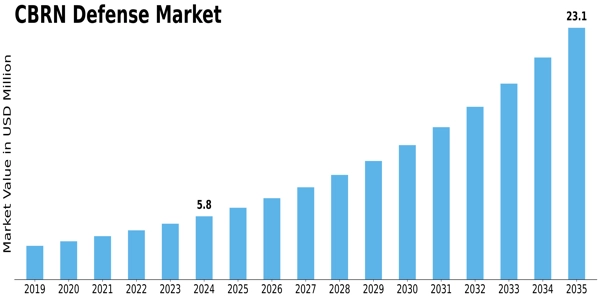
As per Market Research Future analysis, the CBRN Defense Market Size was estimated at 7.5 USD Million in 2024. The CBRN Defense industry is projected to grow from USD 7.9 Million in 2025 to USD 13.8 Million by 2035, exhibiting a compound annual growth rate (CAGR) of 5.74% during the forecast period 2025 - 2035. Introduction Understanding the CBRN Defense Market Size and overall market...
The casino advertising market has become far more competitive, especially across mobile-first gambling audiences. Operators are no longer struggling only with visibility — they are struggling with conversion quality, retention consistency, and rising acquisition costs. In many campaigns, the issue is not generating clicks. The real challenge is attracting players who actually deposit,...

Nerve health is a crucial part of overall well-being because the nervous system controls nearly every function in the body, including movement, sensation, coordination, and communication between the brain and organs. When nerve function is strong, the body responds efficiently, reflexes are sharp, and daily energy levels remain stable. However, modern lifestyle factors such as stress, poor...